



Properties and Applications of Tungsten Alloy Counterweights
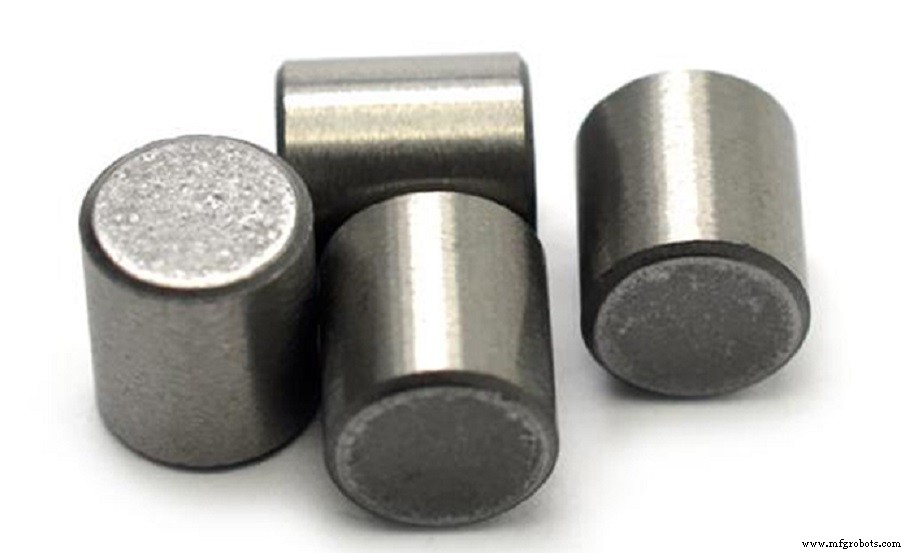
Properties and Applications of Tungsten Alloy Counterweights
Tungsten alloy counterweights are engineered components primarily composed of tungsten, renowned for its exceptional density, high melting point, and excellent mechanical strength. These attributes make them indispensable in high‑performance sectors such as defense, aerospace, automotive, and precision machining.
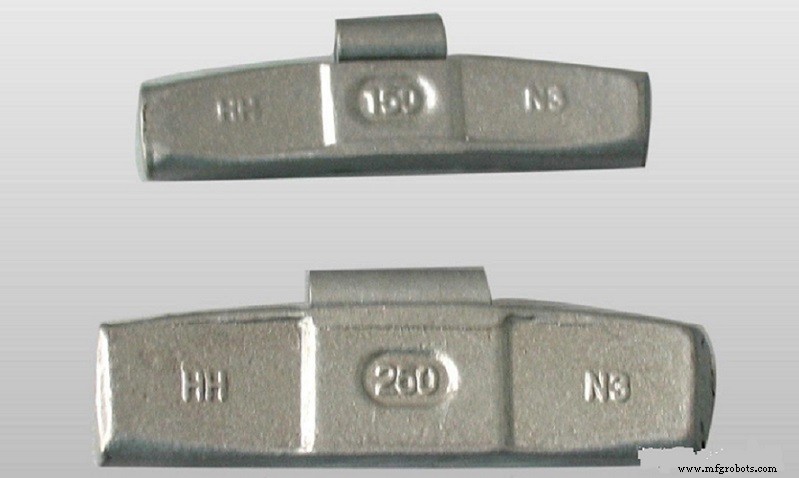
Properties of tungsten alloy counterweights
Key Properties
- Density: ~19.3 g/cm³ (≈2× that of lead)
- Melting point: ~3422 °C
- Non‑toxic, high hardness, and excellent thermal conductivity
- Excellent shielding against radiation and electromagnetic interference
- Available in magnetic (tungsten‑nickel‑iron) and non‑magnetic (tungsten‑nickel‑copper) grades
Manufacturing Process
- Large counterweights are segmented into sub‑units under 50 kg.
- The alloy composition typically includes 91–95 % tungsten, 3.5–7.5 % nickel, and 1–3 % iron.
- Powders are blended, pressed into blanks, and undergo liquid‑phase sintering.
- Joint surfaces are planarised; sub‑units are assembled in the sintering furnace.
- Final sintering in a hydrogen atmosphere yields the finished counterweight.
Applications
- Automotive – Balancing rotating assemblies for optimal performance and safety.
- Crane & lifting equipment – Providing the necessary mass to stabilize heavy lifts.
- Machine tools – Reducing motor and spindle load, mitigating heat buildup, and enhancing dimensional accuracy.
- Other high‑load machinery and aerospace components also benefit from tungsten’s high density.
Conclusion
Understanding the material science and engineering behind tungsten alloy counterweights is vital for professionals seeking reliable, high‑performance solutions. For deeper insight into refractory metals and advanced alloy technology, visit Advanced Refractory Metals (ARM), a global leader headquartered in Lake Forest, California.
Premium Tungsten Alloy Fishing Sinkers: Advanced Design & Performance
Tungsten Diselenide (WSe₂): Structure, Properties, and Key Applications
Metal
- W‑Ag Alloy: Key Properties and Industrial Applications
- Tungsten Alloy: The Ultimate Forklift Counterweight Solution
- Tungsten Alloy Wafers: Applications, Benefits, and Industrial Uses
- Tungsten Flux: Key Properties & Industrial Applications
- Tungsten Diselenide (WSe₂): Structure, Properties, and Key Applications
- Tungsten Alloy Balls: Properties, Production, and Key Applications
- Tungsten–Copper Alloys: Key Properties, Manufacturing, and Applications
- Tungsten–Nickel–Iron Alloys: Properties, Applications, and Processing
- Medical Tungsten Alloy Shields: Key Properties & Clinical Applications
- Tungsten Carbide: Properties, Applications, and Industrial Impact