



Tungsten Alloy Counterweights: The Unsung Heroes of Industry
Tungsten Alloy Counterweights: The Unsung Heroes of Industry
Tungsten alloy counterweights—crafted from high‑density tungsten (19.3 g/cm³)—are engineered to offset excess mass in mechanical systems. By balancing moving components, they reduce vibration, lower wear on bearings, and extend the lifespan of critical equipment.
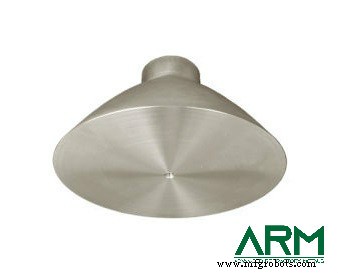
Tungsten alloy counterweight parts
Development History
The use of heavy counterbalances dates back to ancient China’s bronze casting era (≈1700–1000 BC) and to Europe’s medieval water‑pipeline systems in the 8th century. The Industrial Revolution introduced cast‑iron counterweights for steam engines and railways. In the 20th century, the discovery of tungsten alloys—thanks to advances in metallurgy—enabled counterweights that combine high strength, corrosion resistance, and excellent machinability.
Applications
1. Automobile Hub
Modern wheel hubs demand precision balancing to prevent tire vibration. Tungsten alloy blocks provide the necessary mass in a compact form factor, allowing manufacturers to maintain tight tolerances and a smooth finish. Recent developments feature magnetic‑strip attachment systems that simplify installation and adjustment, improving reliability and reducing service time.
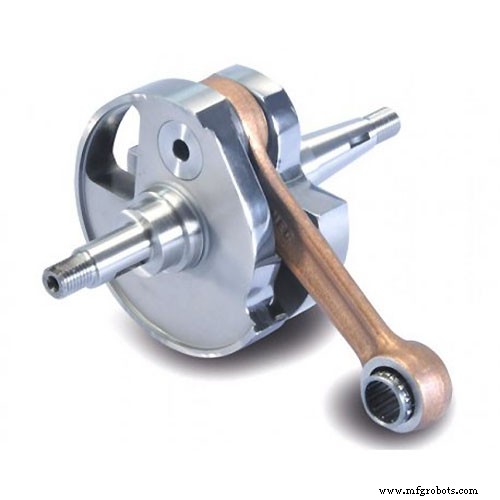
Balancing counterweight
2. Aircraft
In aviation, imbalance can jeopardize flight safety. According to the FAA, 82 documented incidents between 1970 and 2005 were directly linked to improper load balancing. Modern tungsten alloy counterweights, with their superior density and dimensional stability, help maintain center‑of‑gravity requirements, thereby contributing to a 50 % decline in flight accidents over the same period.
3. Tennis Racket
Tennis rackets benefit from tungsten’s high tensile strength and hardness, allowing designers to fine‑tune balance without adding bulk. Tungsten counterweights are non‑toxic, environmentally friendly, and can deliver twice the weight of lead while retaining shape, giving players enhanced control and consistency.

Tennis rackets
4. Golf Club Head
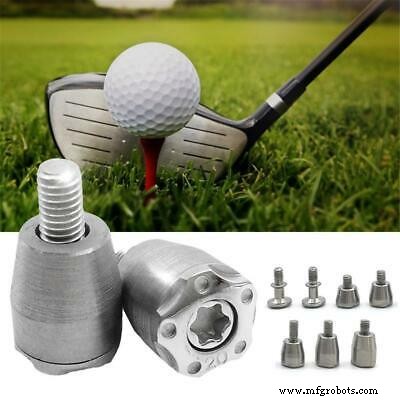
High‑performance golf clubs rely on precise weight distribution. Tungsten alloy counterweights are produced via lost‑wax casting, forging, or powder metallurgy, each offering distinct advantages in terms of cost, surface finish, and mechanical properties. The most advanced designs use tungsten to adjust the center of gravity, increase torsional stiffness, and improve distance.
Golf counterweight screw
Advanced Refractory Metals (ARM) supplies high‑quality refractory metals worldwide. For more information, visit https://www.refractorymetal.org.
Metal
- Tungsten Silver vs. Tungsten Copper Alloys: Key Differences & Applications
- Tungsten Alloy: The Ultimate Forklift Counterweight Solution
- Enhancing Tungsten‑Copper Alloy Performance: Proven Strategies and Processing Techniques
- High‑Gravity Tungsten Alloy Counterweights: Sustainable, Durable Solutions for Heavy‑Duty Cranes
- Properties and Applications of Tungsten Alloy Counterweights
- Tungsten: The Backbone of Modern Aerospace Technology
- High‑Performance Tungsten Alloys: Applications and Benefits
- Essential Mining Equipment for Industry Leaders: Boost Efficiency and Safety
- How CNC Machining Drives Precision and Reliability in Aerospace Manufacturing
- Top Alloying Elements That Strengthen Steel