



High‑Performance Tungsten Alloys: Applications and Benefits
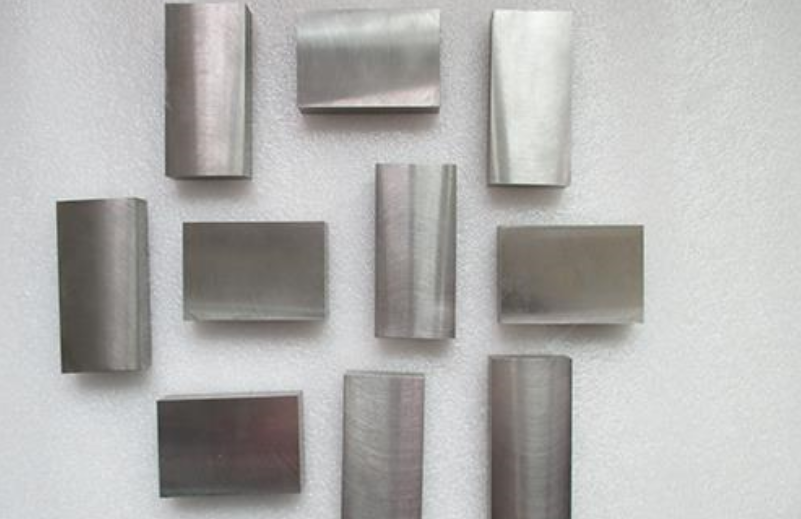
A tungsten alloy is a refractory metal composed primarily of tungsten, nickel, and iron (W–Ni–Fe), nickel and copper (W–Ni–Cu), or nickel, copper, and iron (W–Ni–Cu–Fe). With melting points exceeding 3,400 °C, these alloys are twice as dense as steel and 50 % denser than lead, making them ideal for high‑performance applications. The W–Ni–Fe composition is especially popular for high‑specific tungsten alloys used in lightweight, high‑strength components such as Formula 1 car chassis parts.
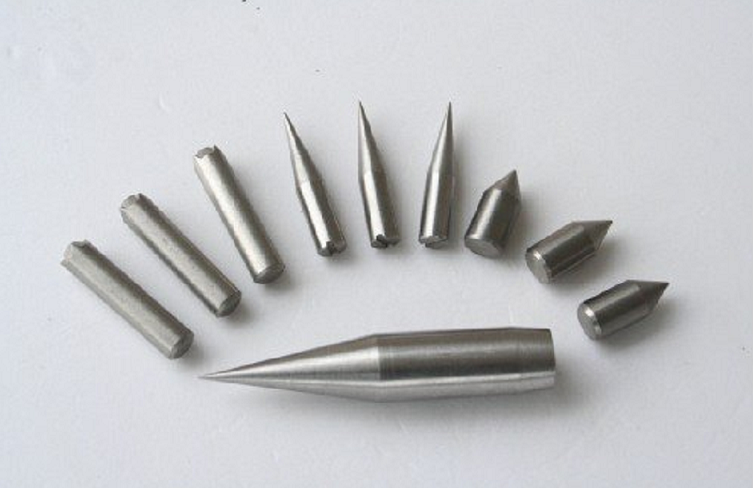
High‑specific tungsten alloys come in a variety of shapes—bars, columns, blocks—depending on the processing method. Their compact size, exceptional density, tensile strength, and hardness enable use across many industries, from aerospace to defense.
Tungsten‑Alloy Radiation Shielding
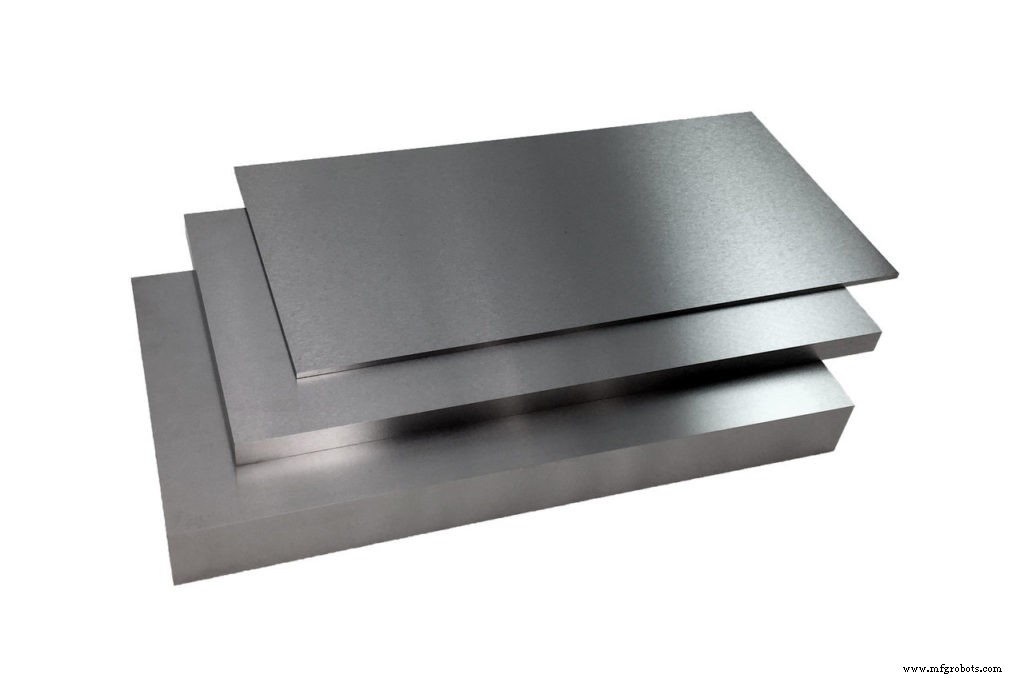
With the proliferation of X‑ray, gamma‑ray, and ionizing radiation in modern medicine, tungsten‑alloy shielding has become essential for protecting patients and healthcare workers. These materials have densities between 17.0 g/cm³ and 18.5 g/cm³, far exceeding conventional shielding media. They are widely employed as protective plates for X‑ray and CT imaging, as well as in radiotherapy setups.
Military Applications
Advanced processing—such as spinning and forging—enhances the tensile strength and hardness of tungsten alloys for military use. The resulting components include armor‑piercing rounds, shotgun pellets, and blast fragments. After sintering, the alloys can be shaped into squares, spheres, or small cylinders. Adding elements like cobalt or molybdenum further improves performance, while a chromium surface coating protects naval weapons from salt‑water corrosion.
Scientific Research
Tungsten alloys serve as radiators, drilling tools, and exploration probes in geophysical studies. Their density and mechanical properties closely match those of depleted uranium, offering a non‑radioactive alternative for high‑density applications while mitigating environmental contamination.
Other Applications
Because tungsten alloys possess a density comparable to gold, they are used in gold‑plating substitutes. Their high melting point also makes them suitable for rocket ignition tubes, engines, and even decorative items such as tungsten‑alloy fishing pendants. The combination of strength, durability, and versatility ensures these alloys remain integral to everyday technology.
For more information, visit SAMaterials.com.
Metal
- Tungsten Silver vs. Tungsten Copper Alloys: Key Differences & Applications
- Tungsten Alloy Wafers: Applications, Benefits, and Industrial Uses
- Enhancing Tungsten‑Copper Alloy Performance: Proven Strategies and Processing Techniques
- Premium Tungsten Alloy Fishing Sinkers: Advanced Design & Performance
- Tungsten Alloy Bullets: The Eco‑Friendly, High‑Performance Alternative to Lead
- Tungsten Alloy Spherical Fragments: Design, Performance, and Tactical Applications
- Tungsten‑Copper vs. Molybdenum‑Copper Alloys: Key Differences & Applications
- Tungsten Alloy in Modern Weaponry: Applications, Properties, and Global Resources
- Tungsten Alloy Counterweights: The Unsung Heroes of Industry
- Diamond's Exceptional Role in Modern Medicine: From Surgical Instruments to Nanomedicine