



Diamond's Exceptional Role in Modern Medicine: From Surgical Instruments to Nanomedicine
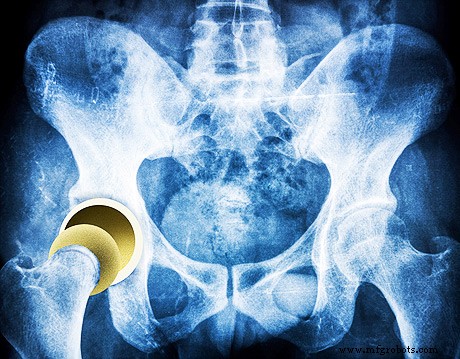
Diamond’s Exceptional Role in Modern Medicine
Diamond is celebrated for its unrivaled hardness and wear resistance—qualities that have made it a staple in precision machining for centuries. Its inherent stability and biocompatibility also satisfy the stringent material criteria for surgical instruments, enabling surgeons to perform delicate procedures with unprecedented precision. In this article, we explore how diamond’s unique properties translate into real‑world medical benefits.
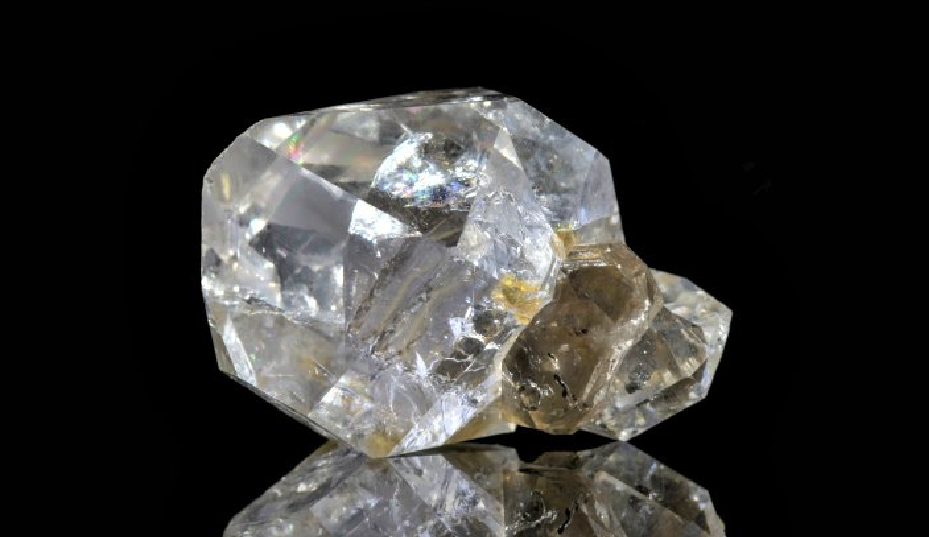
Diamond’s Super Performance in the Medical Field
Diamond in Surgical Tools
Diamonds are classified into natural and synthetic monocrystalline forms. Natural diamonds are typically fashioned into cutting edges for surgical knives, while synthetic monocrystals serve as high‑grade coatings on blade surfaces. The ultrafine cutting action of diamond minimizes tissue extrusion and tearing, producing clean incisions that heal quickly. Today’s diamond‑cutting instruments are integral to ophthalmology, neurosurgery, orthopedics, stomatology, and histology.
Diamond‑Based Implant Materials
As implant technologies evolve, materials must endure the human body’s mechanical loads, resist corrosion, and integrate without provoking immune responses. Diamond’s combination of abrasion resistance, chemical inertness, and exceptional biocompatibility makes it a promising candidate, especially in dental and orthopedic applications.
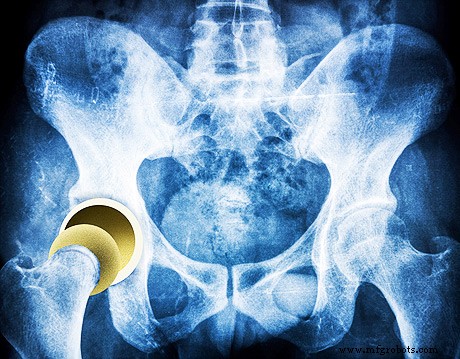
Nanodiamond Coatings for Implants
Dentistry: Enhancing Oral Materials
Traditional dental alloys—cobalt‑chromium and titanium—offer durability but can still corrode and cause allergic reactions. Nano‑amorphous diamond (NAD) merges the hardness of diamond with the nanoscale benefits of advanced materials, delivering superior wear resistance, corrosion resistance, optical transparency, and biocompatibility. NAD is rapidly emerging as the material of choice for dental restorations and prosthetics.
Orthopedics: Next‑Generation Joint Coatings
Artificial joints often rely on cobalt, chromium, or nickel alloys, which may trigger hypersensitivity in susceptible patients. Diamond coatings eliminate this risk while adding antibacterial properties that reduce post‑operative infection rates. Clinical studies published in 2022 demonstrate that diamond‑coated prostheses exhibit lower wear particle release and improved patient outcomes compared to conventional alloys.
Nanodiamond in Medicine
Advances in nanotechnology have unlocked a suite of diamond‑based applications—from targeted drug delivery to diagnostics and sterilization. Nanodiamond particles possess high surface area, chemical versatility, and innate biocompatibility, making them ideal carriers and functional tools in modern medicine.
Drug Delivery Platforms
Functional groups on the surface of nanocrystalline diamond can covalently or non‑covalently bind a wide range of therapeutics. For instance, insulin adsorbed onto nanodiamond maintains bioactivity and allows for controlled release, optimizing glycemic control. Lysozyme bound to diamond particles forms a non‑invasive, potent antibacterial complex. These capabilities position nanodiamond as a versatile drug carrier.
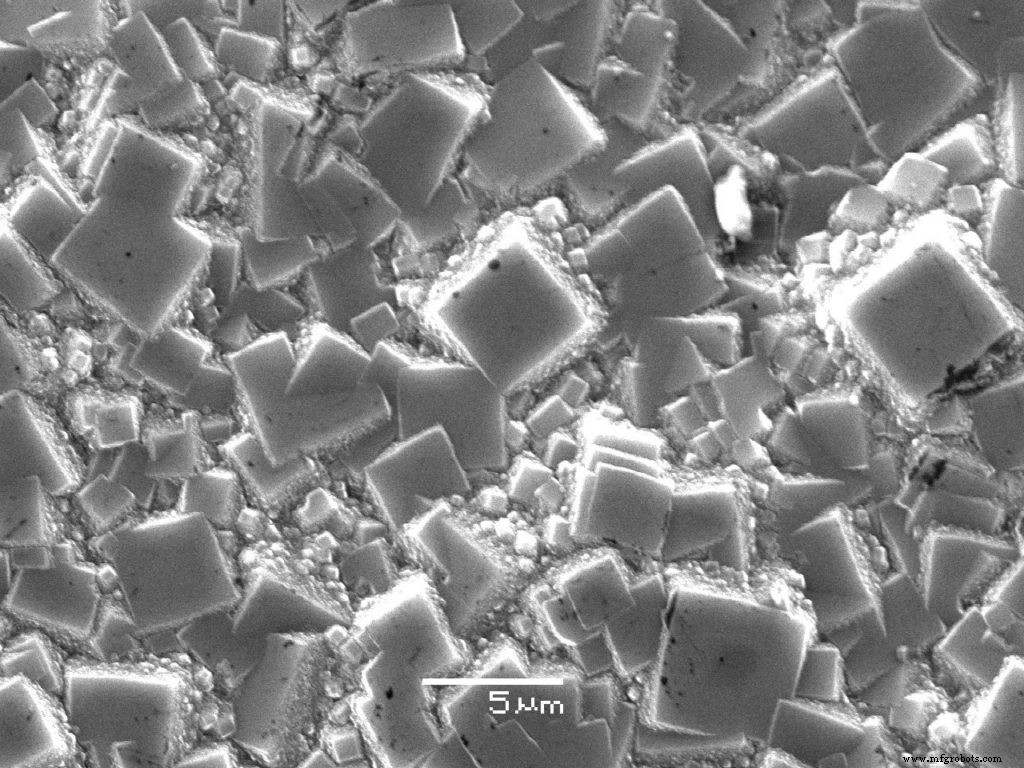
Micro and Nano Diamond for Drug Delivery
Cellular Imaging and Marking
Unlike traditional fluorescent dyes, nanodiamond is chemically inert, non‑toxic, and exhibits bright, stable fluorescence. This makes it an excellent marker for live‑cell imaging, enabling researchers to track cellular processes without compromising cell viability.
Protein Separation
Nanodiamond’s expansive surface hosts functional groups—carboxyl, hydroxyl, ketone—that interact strongly with proteins. Its use in affinity capture simplifies purification workflows, reduces processing time, and obviates the need for specialized chromatographic equipment.
Cancer Therapeutics
Nanodiamond’s surface chemistry facilitates the attachment of chemotherapeutic agents such as paclitaxel, enhancing drug solubility and targeting while reducing systemic toxicity. Early preclinical studies indicate that nanodiamond‑paclitaxel complexes exhibit superior anticancer efficacy relative to free drug formulations.
For further insights into diamond’s revolutionary medical applications, visit SAMaterials.
Metal
- Molybdenum in Medicine: Advanced Applications in Breast Imaging and Bone Repair
- Tungsten in Alloy Design: Applications in Steel, Carbide, and Heavy Materials
- High‑Performance Tungsten Alloys: Applications and Benefits
- Industrial Diamond: How Tungsten Powers Modern Technology
- Innodisk: Advanced AIoT Memory & Storage for Medical Innovation
- Micromachining: Revolutionizing Precision Engineering in Medicine
- Carbon Fiber: Revolutionizing Medical Implants, Equipment, and Prosthetics
- How Medical Materials Have Transformed Orthopedic Surgery
- From Stethoscopes to Surgical Robots: Tracing the Evolution of Medical Machines
- Revolutionizing Cuisine: How 3D Printing Transforms Food Production