



Molybdenum in Medicine: Advanced Applications in Breast Imaging and Bone Repair

Molybdenum in Medicine: Advanced Applications in Breast Imaging and Bone Repair
Molybdenum (Mo) and its alloys are valued across aerospace, steelmaking, defense, and especially medicine, where they deliver superior performance in imaging and implants.
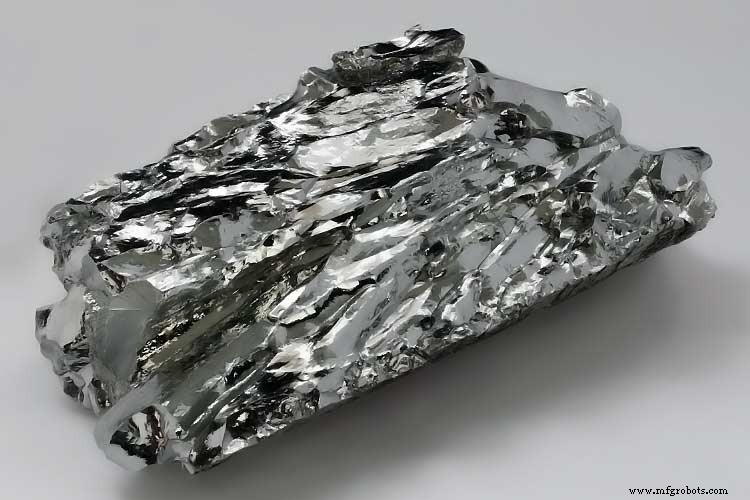
Molybdenum’s role in modern medical diagnostics
In breast cancer screening, soft‑X‑ray mammography uses a molybdenum anode to generate low‑energy photons that penetrate tissue gently, enabling high‑contrast images of breast structures while sparing patient comfort. The system typically comprises an X‑ray tube, high‑voltage generator, detector, compression plate, image processor, biopsy module, CAD post‑processing, and a digital workstation.
This technique excels at detecting benign and malignant lesions such as hyperplasia, adenomas, cysts, and invasive cancers. Its non‑invasive nature, minimal discomfort, ease of use, and high sensitivity make it the gold standard in breast diagnostics.
Why a Molybdenum Anode?
The choice of Mo over tungsten hinges on atomic number: Mo has Z = 42, tungsten Z = 74. When struck by electrons, Mo emits X‑rays with energies around 0.6 keV, ideal for soft‑tissue imaging. Tungsten’s higher Z produces higher‑energy, shorter‑wavelength photons that penetrate bone but are excessive for soft tissues.
Beyond imaging, Mo–titanium alloys form microporous scaffolds that match the elastic modulus of cortical bone. Their excellent mechanical strength, corrosion resistance, and biocompatibility make them preferred materials for hard‑tissue repair and replacement.
Conclusion
We hope this overview clarifies how molybdenum enhances diagnostic imaging and therapeutic implants. For deeper insights into molybdenum and its alloys, visit Advanced Refractory Metals (ARM).
ARM, headquartered in Lake Forest, California, is a leading global supplier of high‑quality refractory metals—molybdenum, tantalum, rhenium, tungsten, titanium, and zirconium—delivered at competitive prices.
Metal
- Zirconium in Nuclear Reactors: The Essential Cladding Metal
- How Molybdenum Boosts Stainless Steel Performance
- Molybdenum in Medicine: Advanced Applications in Breast Imaging and Bone Repair
- How Molybdenum Strengthens Steel: Key Applications in the Industry
- Molybdenum: Key Applications in the Chemical Industry
- Why Molybdenum Dominates Glass Manufacturing
- Tungsten in Alloy Design: Applications in Steel, Carbide, and Heavy Materials
- Diamond's Exceptional Role in Modern Medicine: From Surgical Instruments to Nanomedicine
- How Molybdenum Shapes Modern Industry: Uses, Benefits, and Supply Dynamics
- Innodisk: Advanced AIoT Memory & Storage for Medical Innovation