



How Molybdenum Boosts Stainless Steel Performance
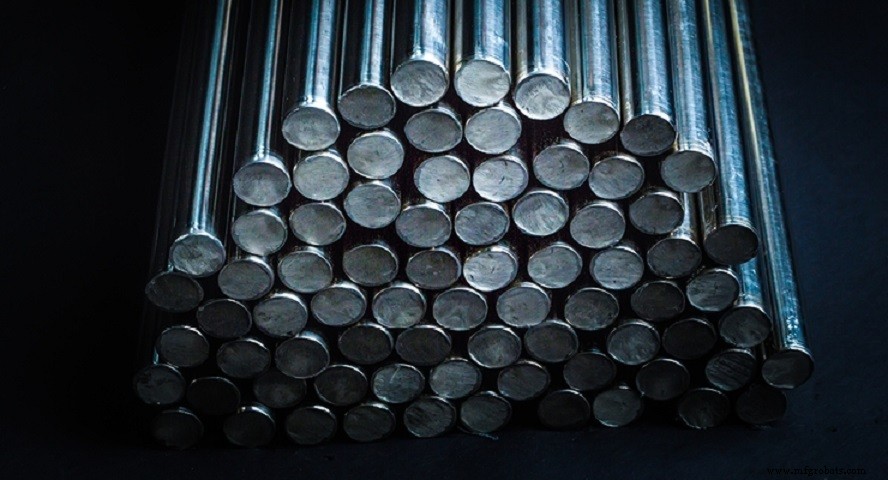
How Molybdenum Boosts Stainless Steel Performance
Molybdenum is a refractory metal with a melting point of 2,620 °C. Its strong interatomic bonds, low coefficient of thermal expansion, and excellent electrical and thermal conductivities make it a key alloying element in high‑performance stainless steels.
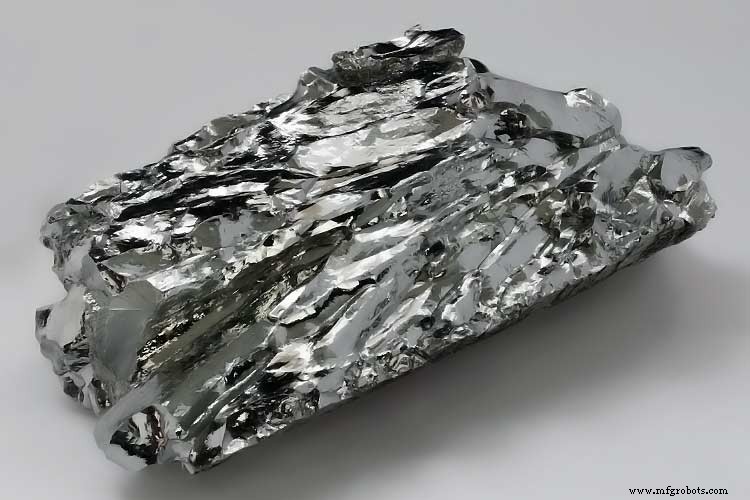
Influence of Molybdenum on the Performance of Stainless Steel
At ambient temperature, molybdenum has little impact on the mechanical properties of austenitic stainless steels that retain a single austenite phase without intermetallic precipitation. Its primary value emerges at elevated temperatures.
Increasing molybdenum content enhances high‑temperature strength, creep resistance, and overall durability, making molybdenum‑containing grades ideal for demanding thermal environments.
However, higher molybdenum levels can reduce hot workability due to the formation of a modest ferrite fraction and the precipitation of κ (sigma) phases. These intermetallics can significantly diminish ductility and toughness, so careful control of composition and processing is essential for applications that require both high‑temperature performance and excellent formability.
Molybdenum also plays a crucial role in corrosion resistance. It improves resistance to reducing media, pitting, and crevice corrosion in austenitic stainless steels when exposed to acids such as nitric, sulfuric, acetic, and phosphoric. The exception is oxidizing media like HNO₃, where molybdenum’s protective effect is limited unless fluoride or chloride ions are present.
Conclusion
Understanding the dual benefits of molybdenum—enhanced high‑temperature strength and improved corrosion resistance—enables engineers to select the right alloy for challenging service conditions. For deeper insights into molybdenum and other refractory metals, we recommend visiting Advanced Refractory Metals (ARM).
Headquartered in Lake Forest, California, Advanced Refractory Metals (ARM) is a leading global manufacturer and supplier of high‑quality refractory metals and alloys, including tungsten, molybdenum, tantalum, rhenium, titanium, and zirconium, at competitive prices.
Metal
- How Molybdenum Strengthens Steel: Key Applications in the Industry
- How Molybdenum Electrodes Enhance Glass Quality in Modern Manufacturing
- Stainless Steel: Properties, Manufacturing, and Future Applications
- Effective Stainless Steel Cleaning & Passivation: Protect Against Rust & Corrosion
- Carbon Steel vs Stainless Steel: Choosing the Right Alloy for Your Project
- Steel vs. Stainless Steel: Choosing the Right Metal for Your Project
- A Comprehensive Guide to the Diverse Types of Stainless Steel
- Exploring the Variety of Stainless Steel: Types, Uses & Benefits
- Mild Steel vs Stainless Steel: Key Differences Explained
- Sustainability of Stainless Steel: Environmental Impact, Benefits, and Future Outlook