



Efficient Arc Melting Process for High‑Performance Tungsten Alloys
Efficient Arc Melting Process for High‑Performance Tungsten Alloys
Traditional arc‑melting techniques—both consumable and non‑consumable—are the industry standard for producing tungsten‑titanium and tungsten‑zirconium alloys. They rely on an electric arc to fuse raw tungsten, titanium or zirconium into a homogeneous alloy. However, when the raw material contains more than 10 % tungsten powder or chips, complete melting becomes problematic, leading to segregation and impurities.
To overcome these limitations, we present a refined arc‑melting workflow that begins with pre‑compacting and crushing tungsten powder. This approach guarantees uniform mixing, rapid melting, and a final ingot with up to 40 % tungsten content and no detectable segregation.
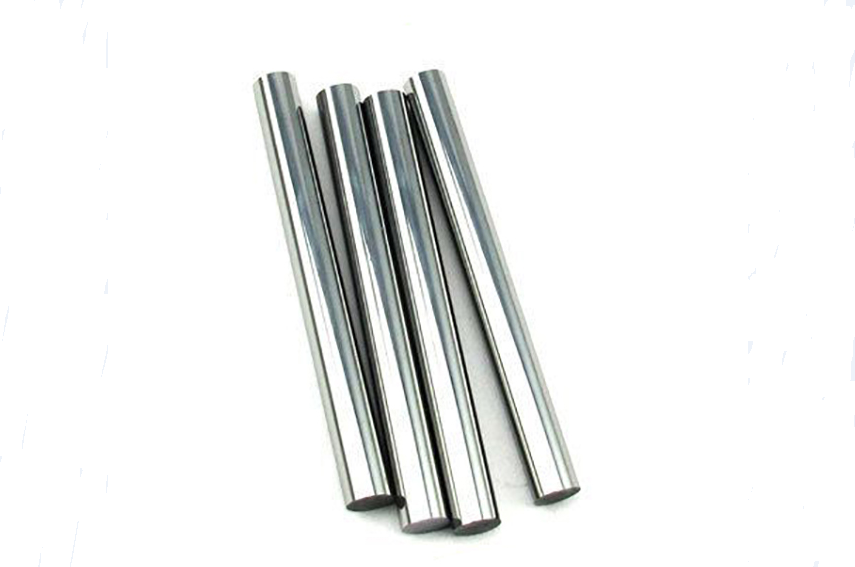
The detailed procedure is illustrated below:
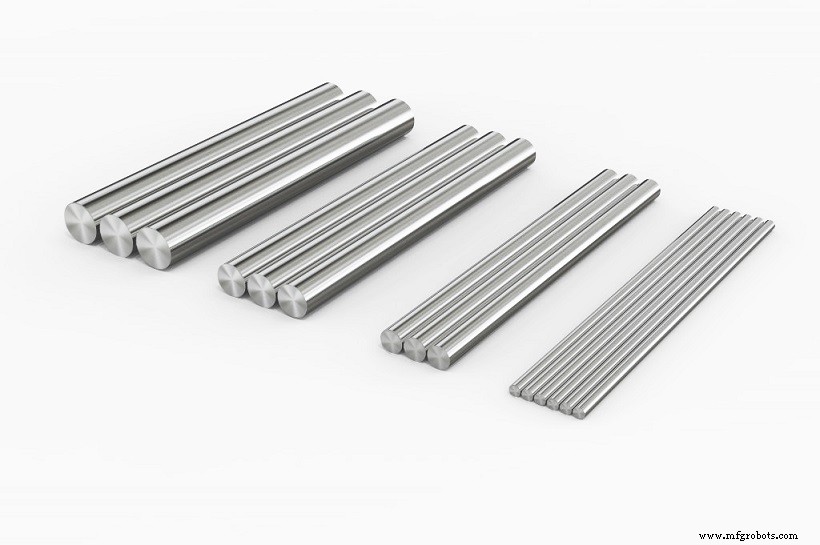
Preparation of Tungsten Alloy by Arc Melting
Step‑by‑Step Workflow
- Compress the tungsten powder into a dense billet using a pressure of 50–100 MPa.
- Crush the billet into compact particles with a size range of 0.1–5 mm.
- Blend the compacted tungsten particles with sponge titanium, sponge zirconium, or a mixture of both, maintaining a tungsten weight fraction between 0 % and 40 %.
- Perform at least two vacuum arc melts. After each melt, cool the ingot to ≤ 200 °C before discharging it to ensure complete homogenization.
Key Production Considerations
- Compaction pressure: 50–100 MPa.
- Particle size after crushing: 0.1–5 mm.
- Alloying elements: sponge titanium, sponge zirconium, or a 50/50 mix.
- Cooling target post‑melt: ≤ 200 °C.
- Process can be conducted in either vacuum consumable or non‑consumable arc melting mode.
Benefits of the Pre‑Compaction Approach
By compacting the tungsten powder before melting, the material’s distribution with other alloying metals is markedly improved. The reduced volume facilitates efficient mixing with sponge titanium or zirconium and accelerates the melting of loose tungsten particles during the arc stage. Consequently, the final ingot is free from segregation, contains no inclusions, and reaches a tungsten concentration of up to 40 %—a significant improvement over conventional methods.
Conclusion
We hope this overview of the advanced arc‑melting technique clarifies how to produce high‑quality tungsten alloys. For deeper insights into tungsten and other refractory metals, explore Advanced Refractory Metals (ARM), a global leader headquartered in Lake Forest, California. ARM supplies top‑grade tungsten, molybdenum, tantalum, rhenium, titanium, and zirconium at competitive prices.
Metal
- Tungsten Alloy: The Ultimate Forklift Counterweight Solution
- Tungsten Alloy Wafers: Applications, Benefits, and Industrial Uses
- Premium Tungsten Alloy Fishing Sinkers: Advanced Design & Performance
- Tungsten Alloy Bullets: The Eco‑Friendly, High‑Performance Alternative to Lead
- Tungsten Alloy Spherical Fragments: Design, Performance, and Tactical Applications
- Tungsten‑Copper vs. Molybdenum‑Copper Alloys: Key Differences & Applications
- Tungsten‑Rhenium Alloys: Production Techniques and High‑Temperature Applications
- Tungsten Alloy in Modern Weaponry: Applications, Properties, and Global Resources
- Lead‑Free Tungsten Alloy Radiation Shielding Plate – Superior X‑Ray and Gamma Protection
- Military Tungsten Alloy Fittings: Unmatched Density, Strength, and Heat Resistance