



Tungsten Alloy Marine Counterweights: Benefits and Drawbacks Explained
Tungsten Alloy Marine Counterweights: Benefits and Drawbacks Explained
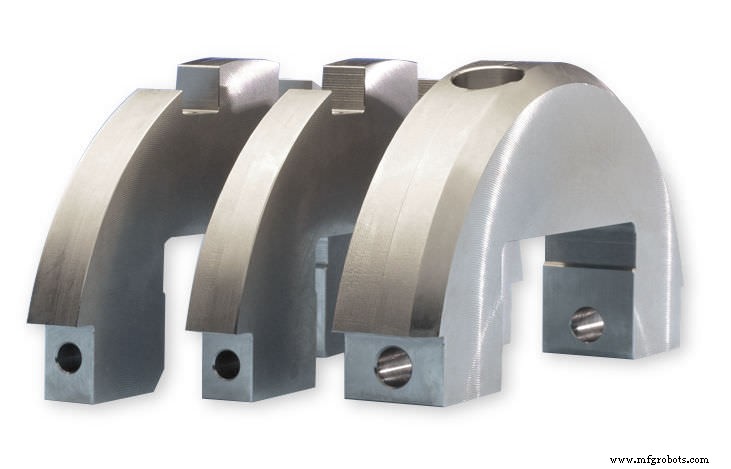
Tungsten‑alloy marine counterweights combine a high density of 18.6 g/cm³ with excellent machinability, tensile strength, and hardness. These attributes help vessels achieve superior stability while remaining environmentally friendly. In the following sections we compare tungsten alloy to iron, zinc, and lead counterweights, outlining their respective strengths and limitations.
Advantages & Disadvantages of Tungsten Alloy Marine Counterweights
Iron Counterweight
Advantages
- Environmentally friendly manufacturing with low energy consumption.
- No pollution during use or after disposal.
- Recyclable and reusable.
Disadvantages
- Susceptible to rust and corrosion, resulting in a short service life.
Application
Ideal for low‑cost equipment operating in dry environments where exposure to oxygen is minimized.
Zinc Counterweight
Advantages
- Excellent gloss that enhances equipment aesthetics.
- Good corrosion resistance, extending service life.
- No ecological pollution during or after use.
Disadvantages
- Higher production costs.
- Energy‑intensive manufacturing with significant pollution.
Lead Counterweight
Advantages
- Low material cost, reducing overall equipment expenses.
- Simplified manufacturing process saves time.
Disadvantages
- Heavy metal that poses environmental contamination risks.
- Outdated production process with high energy use and pollution.
- Limited recyclability.
Application
Suitable for budget‑conscious equipment where performance demands are lower.
Tungsten Alloy Counterweight
Advantages
- Highly environmentally friendly with minimal pollution.
- Exceptional density allows precise weight distribution and smaller volumes.
- Excellent corrosion resistance, ensuring long service life.
Disadvantage
Higher material cost compared to conventional metals.
Application
Tungsten alloy counterweights are the preferred choice in modern shipbuilding, where performance and durability are paramount.
Conclusion
Thank you for exploring the advantages and disadvantages of tungsten alloy marine counterweights. For deeper insight into tungsten alloys and other refractory metals, visit Advanced Refractory Metals (ARM), a leading global supplier headquartered in Lake Forest, California. ARM offers high‑quality refractory metals—including molybdenum, tantalum, rhenium, tungsten, titanium, and zirconium—at competitive prices.
Metal
- Tungsten Alloy: The Ultimate Forklift Counterweight Solution
- Tungsten Alloy Wafers: Applications, Benefits, and Industrial Uses
- Premium Tungsten Alloy Fishing Sinkers: Advanced Design & Performance
- Tungsten Alloy Bullets: The Eco‑Friendly, High‑Performance Alternative to Lead
- Tungsten Alloy Spherical Fragments: Design, Performance, and Tactical Applications
- Tungsten‑Copper vs. Molybdenum‑Copper Alloys: Key Differences & Applications
- Tungsten Alloy in Modern Weaponry: Applications, Properties, and Global Resources
- Titanium‑Alloy Carabiners: Superior Strength and Lightweight for Serious Climbers
- Lead‑Free Tungsten Alloy Radiation Shielding Plate – Superior X‑Ray and Gamma Protection
- Military Tungsten Alloy Fittings: Unmatched Density, Strength, and Heat Resistance