



Niobium in Dental Medicine: From Implants to Radiation Shielding
Niobium in Dental Medicine: From Implants to Radiation Shielding
Niobium is a lustrous gray metal with a melting point of 2,468 °C and a boiling point of 4,742 °C. Its unique combination of high melting temperature, exceptional corrosion resistance, and outstanding biocompatibility makes it increasingly valuable in modern stomatology.
Application of Niobium in Stomatology
1. Niobium‑Enhanced Dental Implants
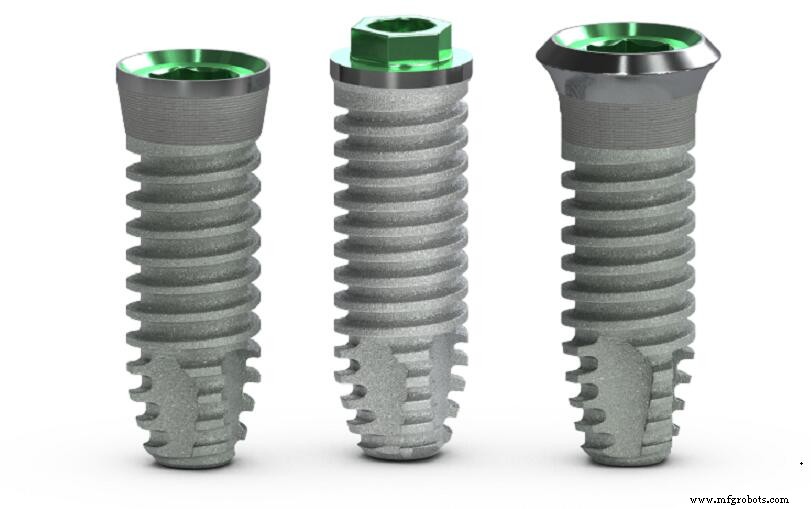
Titanium and its alloys are standard for implants, yet their higher elastic modulus compared to bone can compromise osseointegration. Niobium, with its superior biocompatibility, is employed both as a coating and as an alloying element to reduce corrosion and bring the modulus closer to that of natural bone, thereby improving implant stability and longevity.
2. Niobium in Maxillofacial Surgery
Metal biomaterials such as stainless steel, cobalt‑chromium, and titanium alloys are common in cranio‑maxillofacial reconstruction. Adding non‑toxic elements like niobium, zirconium, tantalum, and molybdenum to titanium alloys lowers the elastic modulus and enhances corrosion resistance, helping to mitigate stress shielding and improve patient outcomes.
3. Niobium‑Based Oral Restorations
Restorative materials must resist the harsh intraoral environment. The titanium‑zirconium‑niobium‑tin alloy offers high strength, a suitable elastic modulus, and excellent biocompatibility, making it a leading choice for durable, long‑lasting dental restorations.
4. Niobium in Orthodontic Archwires
Orthodontic archwires demand resilience, low stiffness, and excellent formability. Niobium‑containing titanium alloys deliver balanced mechanical properties, moderate resilience, and reduced elastic modulus, allowing precise tooth movement while maintaining patient comfort and safety.
5. Niobium in Oral Dentistry Materials
In restorative resins and root‑canal sealants, niobium oxide particles act as effective X‑ray inhibitors, enhancing imaging quality without compromising material performance.
6. Niobium for Radiation Protection
During the transition to digital X‑ray systems, researchers explored niobium‑based filters to reduce patient dose while preserving image clarity. Modern dental imaging continues to benefit from such advances.
Conclusion
Niobium’s versatility across implants, surgery, restoration, orthodontics, and imaging underscores its pivotal role in advancing dental care. For more detailed information on niobium and other refractory metals, visit Advanced Refractory Metals (ARM), a global leader in high‑quality refractory metals and alloys.
Metal
- Niobium’s Critical Role in Modern Steel Production
- Titanium in Watches: Innovation, Allergy‑Free Design, and Lightweight Performance
- Molybdenum Metal and Alloys: Key Applications Across Industries
- Refractory Metal Materials: Current Applications and Key Alloy Innovations
- Niobium: Applications in Industry, Jewelry, Gravimetry, and Orthopedic Implants
- Unique Facts About Niobium: Properties, Uses, and Global Significance
- Stamping Explained: Types, Processes & Applications
- Precision Metal Shearing Solutions for Steel & Aluminum
- Pure Niobium (Nb): High-Strength, Low-Weight Material for Advanced Applications
- Stamping: Types, Processes & Practical Applications in Metal Fabrication