



Titanium Scrap Recovery: Turning Waste into Value
Titanium Scrap Recovery: Turning Waste into Value
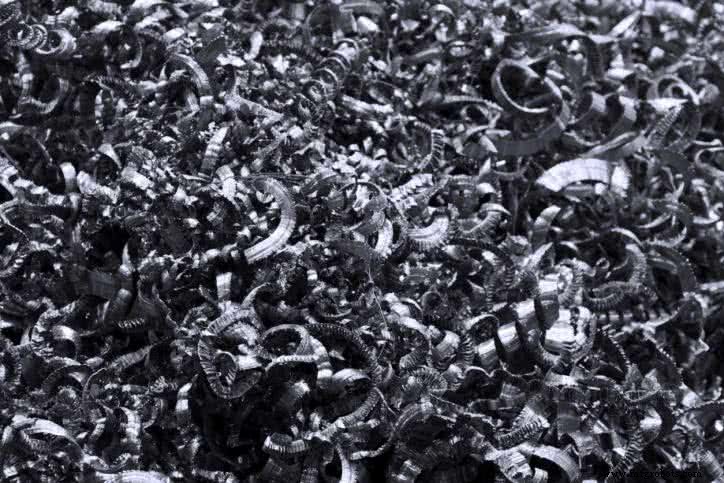
The rapid expansion of aerospace, automotive, and high‑performance materials has pushed titanium demand to new heights. With that growth comes an unavoidable by‑product: titanium metal scrap. Recovering this scrap is essential for protecting resources, lowering production costs, and maintaining a sustainable supply chain.
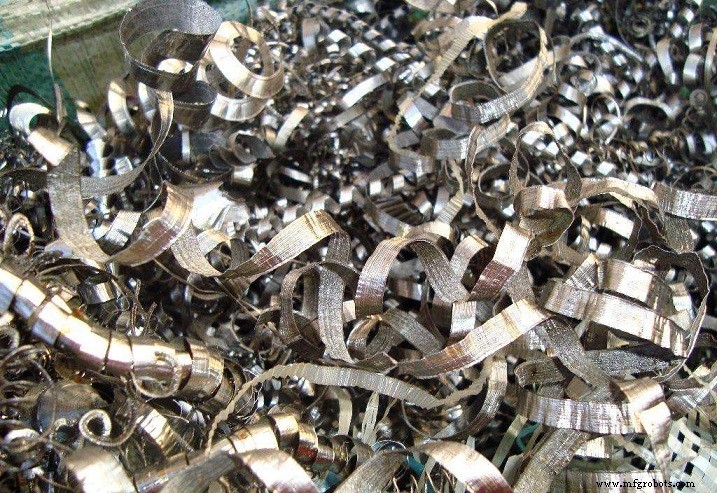
Titanium Metal Scrap
Titanium processing is notoriously inefficient—overall yield from raw material to finished part is typically only 50%, dropping to 10‑20% for complex components. Consequently, the industry generates significant volumes of unusable metal that must be addressed.
Sources of scrap include: 1) the outer skin of sponge titanium that is contaminated with iron, chlorine, oxygen, nitrogen, and other impurities; 2) waste from titanium ingot casting; and 3) by‑products of machining and finishing operations. Each of these streams contains valuable material that can be reclaimed.
Over the past decade, dedicated recycling enterprises have emerged, refining techniques that turn titanium waste into high‑value feedstock. These processes are now well‑established and economically viable, making scrap recovery a cornerstone of the titanium value chain.
How to Recycle Titanium Metal Scrap?
1. Clean, uncontaminated scrap can be blended with sponge titanium or directly added to molten titanium for ingot production, enhancing yield and reducing energy use.
2. Impure sponge, head, or block fragments are processed into ferrotitanium alloy feeds or converted into titanium powder for advanced manufacturing.
3. Titanium powder, when purified, serves as a propellant in pyrotechnics, a reinforcing additive in aluminum alloys, or a base material for powder‑metallurgy titanium components.
4. Highly contaminated scrap can be alloyed with iron to create high‑titanium steels, extending the material’s life cycle.
Conclusion
Recycling titanium scrap is not just an environmental necessity—it’s a strategic advantage that drives cost savings and ensures a reliable supply for future innovation.
For deeper insight into titanium and alloy solutions, visit Advanced Refractory Metals (ARM). ARM is a global leader in refractory metal manufacturing, offering premium titanium, titanium alloys, and other critical materials at competitive prices.
Metal
- Titanium in Watches: Innovation, Allergy‑Free Design, and Lightweight Performance
- Titanium Heat Exchangers: Superior Performance for Energy and Marine Applications
- The Evolution of Titanium: From Discovery to Modern Applications
- Titanium Fasteners: Superior Strength, Corrosion Resistance, and Versatile Applications
- Titanium: Key Physical Properties and Industrial Significance
- Titanium: 8 Key Properties That Make It the Ultimate Marine Metal
- The Endless Life of Scrap Metal: Sustainable Recycling Solutions
- Top 5 Metal Powders for Advanced 3D Printing
- Precision Metal Shearing Solutions for Steel & Aluminum
- Titanium vs. Aluminum: Choosing the Best Nonferrous Metal for Strength and Weight