



Tungsten–Nickel–Copper Alloys: Key Properties & Industry Applications
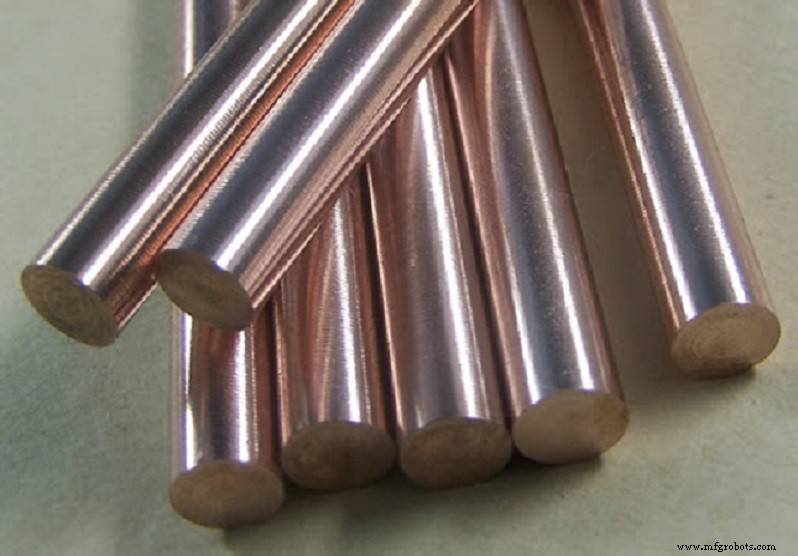
Tungsten–Nickel–Copper Alloys: Key Properties & Industry Applications
Tungsten–Nickel–Copper (W‑Ni‑Cu) alloys are a family of high‑density, high‑strength materials produced primarily by powder metallurgy. Typically, the alloy contains 85–99 % tungsten, with 6 % nickel and 4 % copper, and may include trace amounts of cobalt, molybdenum, chromium or silver to tailor performance.
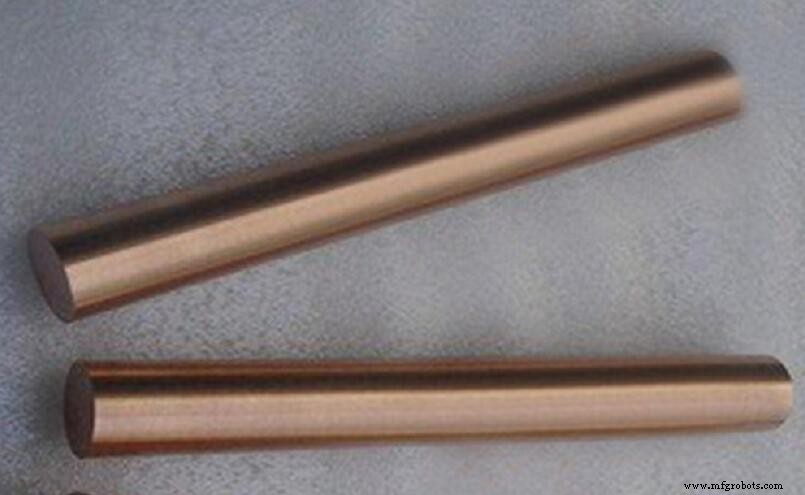
W‑Ni‑Cu alloy in a laboratory setting
Core Physical Characteristics
W‑Ni‑Cu alloys combine the robustness of tungsten with the ductility of copper and the corrosion resistance of nickel. The resulting material offers a suite of attributes that make it indispensable in demanding environments.
High Specific Gravity
The alloy’s density ranges from 16.5 to 18.75 g / cm³, rivaling the weight of lead but with superior mechanical properties.
Exceptional Strength
Tensile strengths between 700 MPa and 1 GPa enable the material to withstand high load conditions without significant deformation.
Superior Radiation Shielding
Its neutron and gamma‑ray attenuation is 30–40 % higher than lead, while eliminating the toxic hazards associated with heavy‑metal exposure.
Excellent Thermal Conductivity
With a conductivity approximately five times that of standard die steel, W‑Ni‑Cu alloys effectively dissipate heat in high‑temperature applications.
Low Thermal Expansion
Thermal expansion coefficients are one‑half to one‑third those of typical steels, providing dimensional stability across temperature swings.
Non‑Ferromagnetic Nature
Unlike tungsten–nickel–iron alloys, W‑Ni‑Cu remains non‑magnetic, reducing electromagnetic interference in precision instruments.
Workability & Weldability
Despite its density, the alloy can be machined, forged, and welded with standard tooling, facilitating its integration into complex assemblies.
Industry Applications
These combined properties make W‑Ni‑Cu alloys suitable for aerospace, defense, oil & gas, and medical equipment. Common uses include:
- Gyroscope rotors and other components that require non‑magnetic, high‑strength materials.
- Electrical contacts and high‑voltage switch contacts, where both conductivity and radiation shielding are needed.
- High‑temperature structural parts in jet engines and nuclear reactors.
- Medical shielding for X‑ray and gamma‑ray sources.
- Downhole tools and drill bits that demand exceptional wear resistance.
About Advanced Refractory Metals (ARM)
For further details on W‑Ni‑Cu alloys, including purchasing options and technical support, visit Advanced Refractory Metals (ARM). Headquartered in Lake Forest, California, ARM is a global leader in high‑performance refractory metals, offering tungsten, molybdenum, tantalum, rhenium, titanium, and zirconium alloys at competitive prices.
Metal
- Tungsten Copper Alloy vs Tungsten Nickel‑Iron Alloy: A Technical Comparison
- Tungsten–Nickel–Iron Alloy Production: From Powder Blend to Final Sintering
- Tungsten–Nickel–Copper Alloys: The Lead‑Free Solution for Advanced Medical X‑Ray Shielding
- Tungsten–Copper Alloys: Key Properties, Manufacturing, and Applications
- Tungsten‑Nickel‑Copper Alloy Shield: Advanced Lead‑Free Radiation Protection
- Tungsten–Nickel–Iron Alloys: Properties, Applications, and Processing
- Tungsten‑Copper vs. Molybdenum‑Copper Alloys: Key Differences & Applications
- Molybdenum–Copper Alloys: Key Properties and Cutting‑Edge Applications
- Copper–Nickel Alloys: Superior Corrosion Resistance & Versatile Uses
- TROJAN CuNi3Si Alloy: Ultra-Strong, High-Conductivity Copper‑Nickel‑Silicon Solution