



Tantalum Powder: Types, Properties, and Industrial Applications
Tantalum Powder: Types, Properties, and Industrial Applications
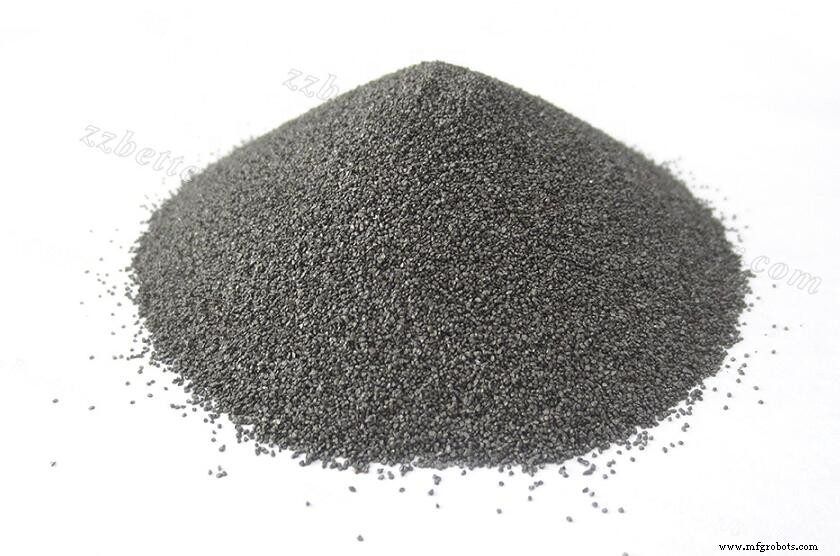
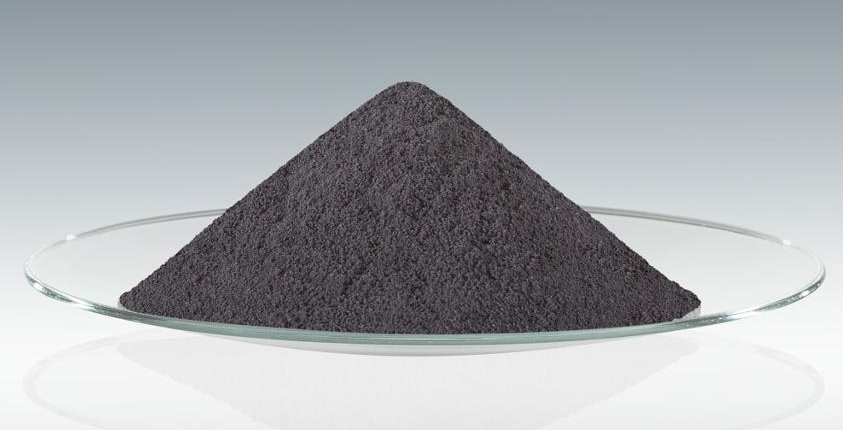
Tantalum (atomic number 73) is a dense, refractory metal with a melting point of 2,980 °C and a density of 16.68 g/cm³. It ranks third among refractory metals after tungsten and rhenium. Tantalum powder—typically dark‑gray or silver‑gray—is a critical raw material for manufacturing tantalum capacitors and producing high‑purity tantalum metal. This article explores the main powder categories, key specifications, and how they influence performance in real‑world applications.
Tantalum Powder Types & Properties
Tantalum Powder Types
Industrial suppliers generally offer two distinct classes of tantalum powder: capacitor‑grade powder and metallurgical‑grade powder.
1. Capacitor‑Grade Tantalum Powder
Capacitor‑grade powder is subdivided into three voltage series:
- Low‑voltage series (≤ 25 V)
- Medium‑voltage series (32 – 40 V)
- High‑voltage series (≥ 50 V)
A. Physical Properties
Key metrics include average particle size, particle morphology, flowability, and achievable forming density. Low‑voltage powders tend to have finer particles, more complex shapes, and lower bulk density, whereas high‑voltage powders feature coarser particles, simpler shapes, and higher bulk density. Adequate flowability is essential for automated die‑casting or extrusion processes, especially as demand for high‑output, low‑cost capacitors grows.
B. Chemical Composition
Impurities such as phosphorus, boron, oxygen, carbon, potassium, sodium, and iron directly degrade electrical properties by increasing leakage current and lowering breakdown voltage. Conversely, deliberate trace additions—like phosphide to inhibit sintering shrinkage or aluminide to enhance dielectric strength—have been shown to improve capacitance and voltage tolerance.
C. Electrical Properties
After powder weighing, compression, vacuum sintering, and anodization, the DC leakage current, breakdown voltage, and block capacitance are evaluated. These outcomes depend on both the intrinsic behavior of the amorphous tantalum pentoxide film and the underlying physical and chemical characteristics of the powder.
2. Metallurgical‑Grade Tantalum Powder
Metallurgical powders serve as starting material for bulk tantalum products or as alloying agents. Quality control emphasizes physical attributes—particle size (must pass a 150‑mesh sieve) and bulk density (ideally 3 – 6 g/cm³)—and chemical purity. Oxygen content should be limited to ~0.2 % to prevent oxidation during vacuum sintering or melting. High‑melting metals such as tungsten, molybdenum, and niobium must also be tightly controlled to avoid contamination.
Conclusion
Understanding the distinctions between capacitor‑grade and metallurgical‑grade tantalum powders—and the critical specifications that define each—helps engineers select the right material for performance‑critical components. For deeper insight into tantalum metallurgy and sourcing options, explore the resources at Advanced Refractory Metals (ARM), a global leader in high‑purity refractory metals.
Headquartered in Lake Forest, California, ARM supplies premium tungsten, molybdenum, tantalum, rhenium, titanium, and zirconium alloys at competitive prices.
Metal
- Tantalum Products Explained: Powder, Wire, Capacitors & Their High-Tech Applications
- How Tantalum Powder is Produced: Grades, Properties, and Manufacturing Techniques
- Tantalum: Key Properties and Diverse Industrial Applications
- Molybdenum Powder: Types, Properties, and Industrial Applications
- Medical Tantalum Powders: 99%+ Purity, 2–3 µm D50, Superior Sintering for Bone Implants
- Pigments: Types, Properties, and Applications
- What Is Steel? Properties, Uses, and Types Explained
- Stainless Steel Explained: Types, Properties & Applications
- Cast Iron: Key Properties, Types, and Practical Applications
- GNPZ01 Magnesia‑Stabilized Zirconia Powder – High‑Performance Ceramic for Advanced Applications