



Submicron Tungsten Powder – Enhanced Performance & Applications
Submicron Tungsten Powder
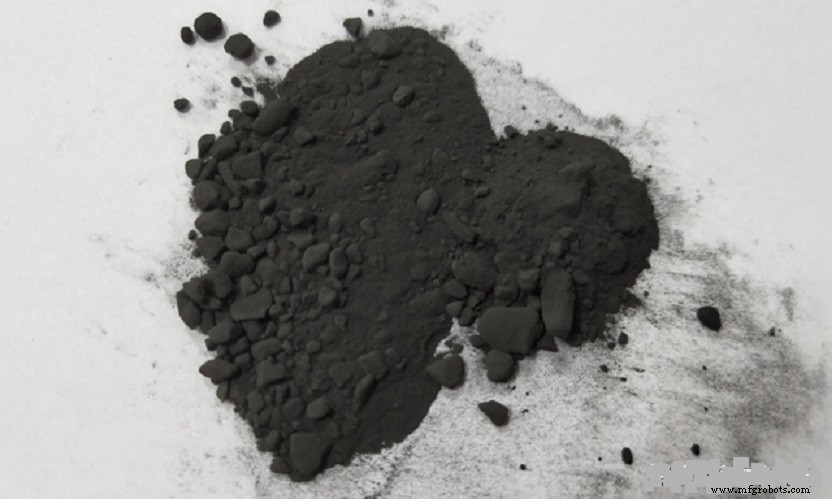
Submicron tungsten powder offers particle sizes as fine as 200 nm, delivering a higher specific surface area and markedly increased chemical reactivity compared with conventional tungsten powders. After a controlled passivation step, the oxygen content can be reduced to below 1 %, ensuring superior purity for demanding industrial applications.
Preparation Method
The most reliable route to submicron tungsten powder is the hydrogen reduction** of tungsten trioxide (WO₃) or ammonium para‑tungstate**. The process is executed in two distinct stages:
- WO₃ → WO₂ at 500–700 °C.
- WO₂ → W at 700–900 °C.
Key process parameters that govern the final product’s purity, particle size distribution, and morphology include:
- Reduction temperature and ramp profile
- Loading density of the oxide in the firing boat
- Linear feed speed of the boat through the tube furnace
- Hydrogen flow rate and purity
- Moisture content in the hydrogen stream
While an older carbon reduction method operates above 1 050 °C, it typically yields tungsten of lower purity and is less suited for high‑grade submicron powders.
Applications
- High‑specific‑gravity alloys – essential for aerospace and defense components.
– tungsten powders improve tool life and cutting performance for turning tools, drill bits, and precision molds. - Alloy Reinforcement – adding 10–20 % submicron tungsten to high‑performance alloys enhances mechanical properties, reduces sintering temperatures, and shortens processing times.
- W‑Rod and Wire Manufacture – as a feedstock additive, it boosts density and conductivity of tungsten rods and wires.
- Nanoparticle‑Based Carburides – the powder serves as the raw material for nano‑tungsten carbide, leading to high‑quality cemented carbides and ferro‑tungsten.
- Coating Technologies – its unique pore structure enables the production of ceramic‑metalized coatings with superior adhesion and wear resistance.
Conclusion
We hope this overview provides a clear understanding of submicron tungsten powder’s properties and its versatile industrial applications. For deeper insights into tungsten and other refractory metals, we recommend exploring Advanced Refractory Metals (ARM), headquartered in Lake Forest, California. ARM is a global leader in the supply of high‑quality refractory metals and alloys, including molybdenum, tantalum, rhenium, tungsten, titanium, and zirconium, at competitive prices.
Metal
- Tungsten Recycling: Strategies, Technologies, and Economic Benefits
- Spherical Tungsten Powder Production Techniques: Methods, Advantages, and Industry Applications
- Tungsten Needle: Design, Properties, and Applications
- Barruecopardo Tungsten Mine: Spain’s Historic Open‑Pit Operation
- Tungsten Wire History: From Edison’s Carbon Filaments to Modern AKS Alloys
- Professional Guide to Producing High‑Purity Rhenium Powder
- Optimizing Tungsten Powder: Key Performance Drivers
- Tungsten Powder: Applications, Production Methods, and Industry Insights
- 3 Key Factors Influencing Tungsten Powder Quality
- Pure Tungsten (W): High-Temperature Metal for Industrial Applications