



Tungsten Recycling: Strategies, Technologies, and Economic Benefits
Tungsten Recycling
Tungsten is a high‑melting‑point metal that ranks highest among non‑alloy metals. Its excellent electrical conductivity makes it essential for wire manufacturing, and its strategic importance is underscored by the fact that tungsten ore reserves are projected to last only about 140 years at current extraction rates. Recycling therefore plays a critical role in extending the life of this valuable resource.
Recycling of Tungsten
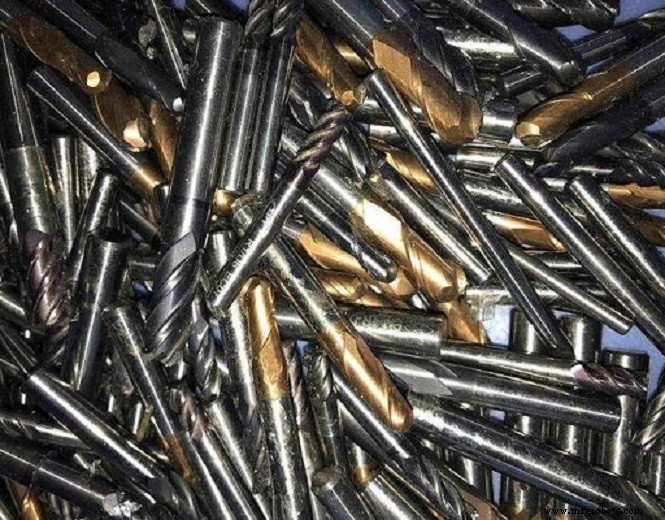
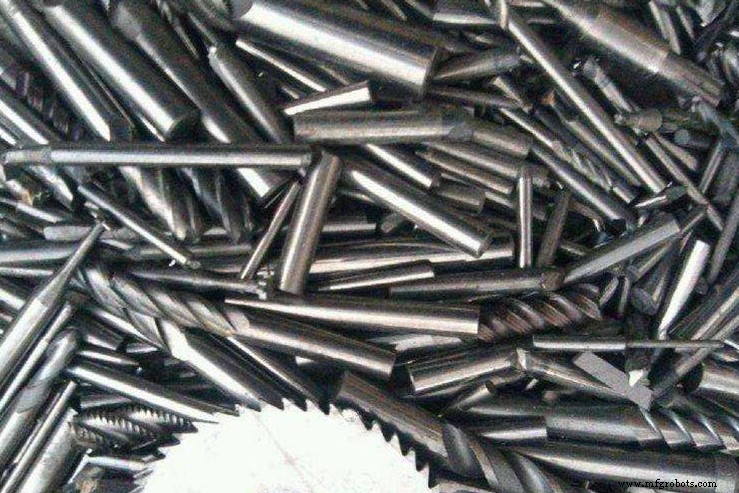
Globally, tungsten supply derives from two main sources. Roughly 76 % comes from newly mined tungsten concentrates, of which 66 % is converted into finished products and 10 % is lost as production waste. The remaining 24 % originates from secondary sources—solid waste slag, end‑of‑life tungsten‑containing products such as cemented carbide, alloy steel, contact materials, and catalytic components.
Advancements in secondary‑resource recovery have driven a shift toward more sustainable techniques. Conventional methods—mechanical crushing, saltpeter leaching, zinc smelting, electrolysis, and roasting‑ammonia leaching—have been refined or phased out due to environmental concerns or low recovery yields. Newer approaches, such as liquid-phase recovery from molten slag and the J. Avidson method for producing iron‑tungsten alloys from cemented carbide powders, are gaining traction.
The economic and environmental advantages of tungsten recycling are substantial. Recovered tungsten carbide and scrap often contain >90 % tungsten, surpassing the purity of primary ore. Extracting tungsten from these secondary streams reduces the need for auxiliary chemicals like hydrochloric acid and lowers wastewater volumes, cutting both production costs and treatment liabilities.
Conclusion
Thank you for exploring tungsten recycling with us. For deeper insights into tungsten and other refractory metals, we recommend visiting Advanced Refractory Metals (ARM).
Headquartered in Lake Forest, California, ARM is a global leader in manufacturing and supplying refractory metals and alloys—including tungsten, molybdenum, tantalum, rhenium, titanium, and zirconium—at competitive prices.
Metal
- Tungsten Needle: Design, Properties, and Applications
- Submicron Tungsten Powder – Enhanced Performance & Applications
- Barruecopardo Tungsten Mine: Spain’s Historic Open‑Pit Operation
- Tungsten Wire History: From Edison’s Carbon Filaments to Modern AKS Alloys
- Tungsten Steel: Composition, Properties & Industrial Applications
- Tungsten: Key Properties and Industrial Applications
- High-Performance Tungsten Pickled Sheet for Extreme Temperature Applications
- High-Temperature Tungsten Ground Rod for Superior Stability
- Pure Tungsten (W): High-Temperature Metal for Industrial Applications
- High-Temperature Tungsten Bright Sheet – Exceptional Thermal Stability and Precision Dimensions