



Spherical Tungsten Powder Production Techniques: Methods, Advantages, and Industry Applications
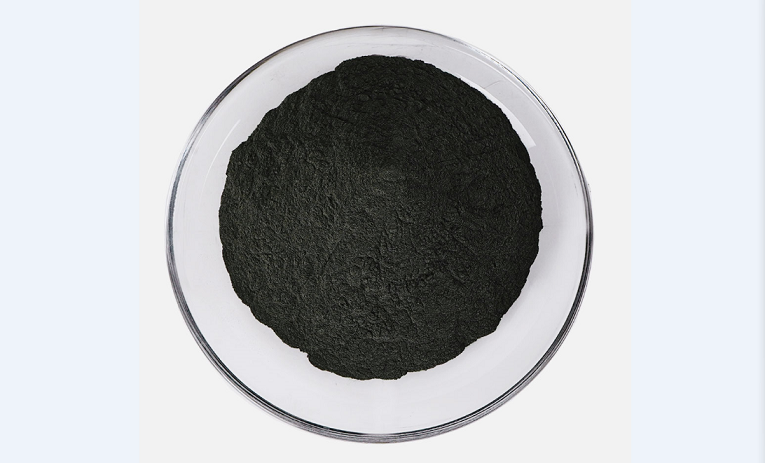
Spherical Tungsten Powder Production Techniques
Spherical tungsten powder offers superior fluidity and high tap density, making it indispensable for thermal spraying, porous media, filtration, rocket propulsion, and powder metallurgy. The following sections outline the most widely adopted production methods, their strengths, and typical applications.
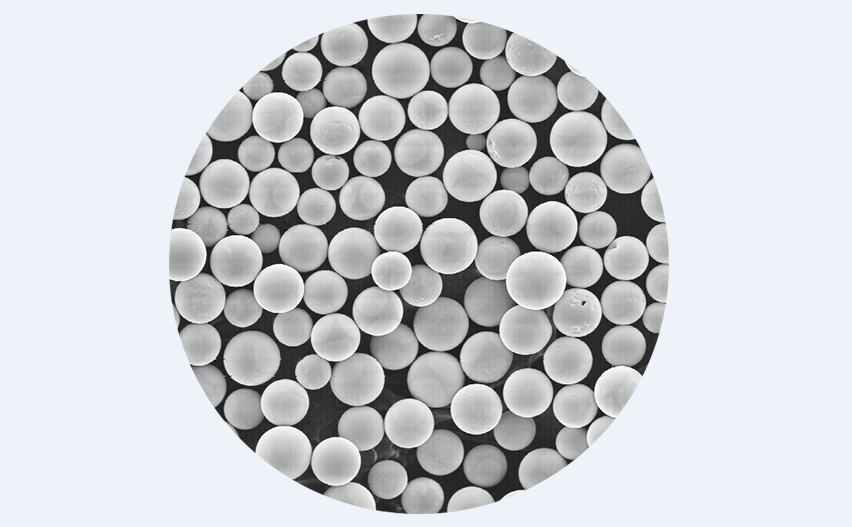
Spherical Tungsten Powder
- Arc Spray Gun Method: An ordinary DC arc welding machine powers an S(3)P-3 arc spray gun, where two tungsten wires are intersected to create an arc. Compressed air atomizes the molten stream into droplets that cool into spherical particles. While the equipment is inexpensive, the process yields inconsistent product quality and is unsuitable for large‑scale production.
- Plasma Method: Tungsten powder is fed into a high‑temperature plasma jet, melting particle surfaces to form droplets. Surface tension causes the droplets to adopt a near‑perfect sphere before rapid quenching. This method delivers high purity, excellent sphericity, and a low cost per unit volume.
- Vapor Deposition Method: Developed in 1963, this technique converts WF6 into spherical tungsten powders ranging from 40 µm to 650 µm. Despite its potential for large particles, the process has yet to reach commercial viability.
- Heavy Oxidation‑Reduction Method: Partial oxidation of tungsten powder at controlled temperature, time, and air atmosphere produces a complex tungsten oxide with a fine particle size and high surface area. Subsequent reduction removes the oxide corners, leaving spherical tungsten. The process employs conventional equipment, keeping production costs low, but the particle size distribution is narrow.
- Ammonium Paratungstate Cyclic Redox Method: Ultra‑pure ammonium paratungstate is calcined in argon to yield purple tungsten, which is hydrogen‑reduced to 99.99% purity and oxidized to WO3. The WO3 is then hydrogen‑reduced again to obtain sub‑micron spheres. The route is long, parameter‑sensitive, and not yet industrially scalable.
- Ultrasonic Stirring‑Drying‑Reduction Method: A saturated ammonium tungstate solution is ultrasonically mixed with a dispersant, followed by acid precipitation. The precipitate is filtered, dried, broken, and finally hydrogen‑reduced. This route also suffers from extended processing time, difficult parameter control, and significant liquid waste.
Conclusion
Understanding these production routes enables manufacturers to select the most suitable method for their application needs. For deeper insights into tungsten and other refractory metals, we recommend exploring resources from Advanced Refractory Metals (ARM).
Headquartered in Lake Forest, California, ARM is a global leader in manufacturing and supplying high‑quality refractory metals and alloys, including tungsten, molybdenum, tantalum, rhenium, titanium, and zirconium, at competitive prices.
Metal
- Tungsten–Nickel–Iron Alloy Production: From Powder Blend to Final Sintering
- Submicron Tungsten Powder – Enhanced Performance & Applications
- Tungsten Alloy Spherical Fragments: Design, Performance, and Tactical Applications
- Optimizing Tungsten Powder: Key Performance Drivers
- How Tantalum Powder is Produced: Grades, Properties, and Manufacturing Techniques
- Tomsk Polytechnic University Breaks Ground with Cost‑Effective, Waste‑Based Tungsten Carbide Production
- Titanium‑Clad Copper: Composition, Benefits, and Advanced Manufacturing Techniques
- Tungsten Powder: Applications, Production Methods, and Industry Insights
- How Metal Powders Are Made: A Comprehensive Guide to Preparation Methods
- 3 Key Factors Influencing Tungsten Powder Quality