



Tomsk Polytechnic University Breaks Ground with Cost‑Effective, Waste‑Based Tungsten Carbide Production
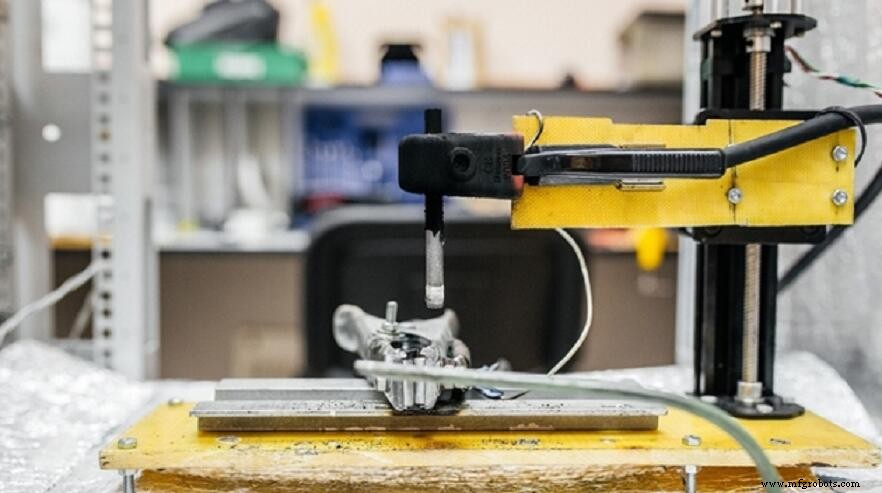
Tomsk Polytechnic University Breaks Ground with Cost‑Effective, Waste‑Based Tungsten Carbide Production
Researchers at Tomsk Polytechnic University (TPU) have unveiled a novel process that produces high‑grade tungsten carbide (WC) and other superhard materials outside of a vacuum chamber. The technique repurposes discarded carbide drill bits, tools, and other WC waste as raw feedstock, offering a cheaper, greener alternative to conventional methods. Findings were published in the peer‑reviewed journal International Journal of Refractory Metals and Hard Materials.
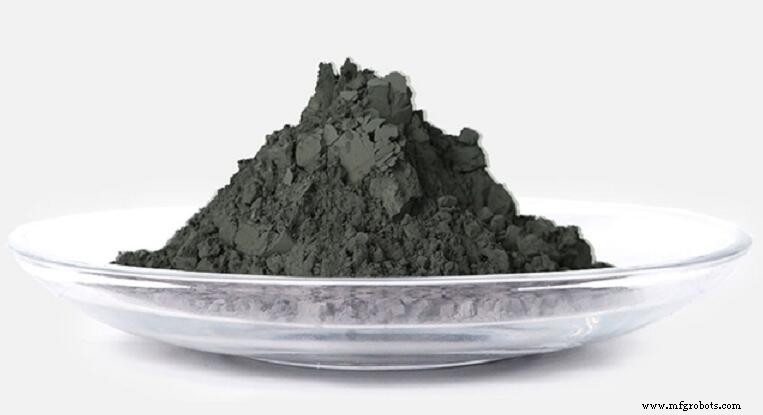
Tungsten Carbide Powder
Tungsten carbide (WC) is the cornerstone of hard‑alloy drill bits, cutting tools, and wear‑resistant components. With electrical and thermal conductivity, compressive strength, and corrosion resistance rivaling diamond, WC is indispensable in industries ranging from aerospace to information technology.
The industrial sector often refers to cemented carbide as the “industrial teeth” because of its critical role in modern defense, aerospace, and emerging technology applications.
Since the 1970s researchers discovered that hydrocarbons can undergo hydrogenolysis on WC, the material has been investigated as a platinum‑free catalyst for hydrogen production from water. WC’s surface electronic structure mimics platinum, providing similar catalytic activity while offering superior resistance to poisoning and lower cost.
TPU’s breakthrough lies in synthesizing tungsten carbide nanopowder under ambient conditions. By employing specially shaped graphite electrodes to generate arc plasma, the team creates a spontaneously insulating gaseous medium without the need for a vacuum chamber. This innovation dramatically simplifies the process, slashes energy consumption, and reduces equipment costs.
Alexander Pak, a researcher in TPU’s “Eco‑Energy 4.0” Research Center, explained: “Our graphite electrode design allows us to produce an insulating plasma in air, eliminating the vacuum requirement and cutting energy usage by an order of magnitude.”
The method also accepts worn drill bits, used tool parts, and other WC‑laden waste as synthetic precursors, aligning with circular‑economy principles. Additionally, the process is adaptable to the synthesis of other superhard refractory materials such as titanium carbide, silicon carbide, and boron carbide.
TPU’s team plans to refine the technique for commercial deployment and expand its application to large‑scale waste recycling. The research was funded by the Russian Science Foundation.
Conclusion
Thank you for reading. For further insights into tungsten and other refractory metals, visit Advanced Refractory Metals (ARM).
Headquartered in Lake Forest, California, ARM is a leading global supplier of high‑quality refractory metals and alloys—including tungsten, titanium, molybdenum, tantalum, rhenium, and zirconium—at competitive prices.
Metal
- Spherical Tungsten Powder Production Techniques: Methods, Advantages, and Industry Applications
- Tungsten–Nickel–Iron Alloy Production: From Powder Blend to Final Sintering
- Optimized Fabrication of Copper‑Tungsten Contact Materials for High‑Voltage Applications
- Tungsten‑Rhenium Alloys: Production Techniques and High‑Temperature Applications
- Titanium‑Clad Copper: Composition, Benefits, and Advanced Manufacturing Techniques
- Titanium Sponge: Production Processes and Industry Applications
- Tungsten Carbide: Properties, Applications, and Industrial Impact
- Tungsten in Alloy Design: Applications in Steel, Carbide, and Heavy Materials
- Nano Tungsten Carbide – A Platinum‑Like Catalyst
- How Tungsten Carbide Cutting Tools Are Made: From Mining to Coating