



Optimized Fabrication of Copper‑Tungsten Contact Materials for High‑Voltage Applications
Optimized Fabrication of Copper‑Tungsten Contact Materials for High‑Voltage Applications
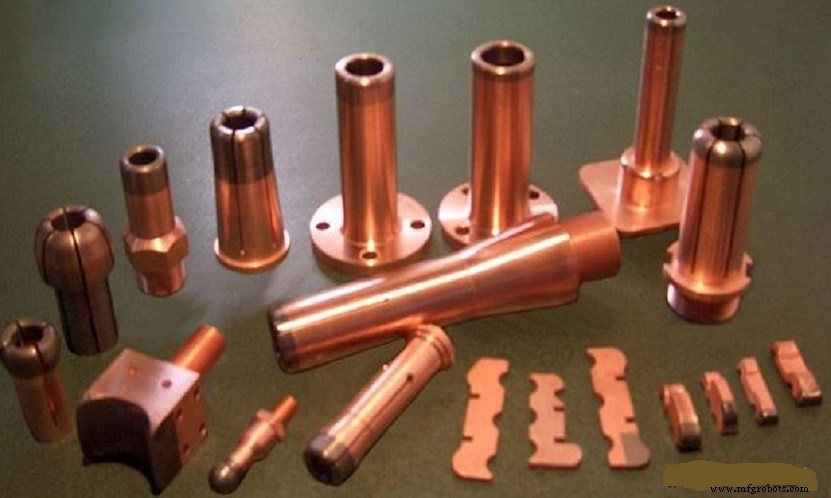
In high‑voltage SF6 circuit breakers, copper‑tungsten contacts combine tungsten’s exceptional arc resistance and high melting point with copper’s superior electrical and thermal conductivity. Our detailed process ensures a uniform microstructure and superior performance.
Step‑by‑Step Production Method
Follow these carefully calibrated steps to achieve a high‑quality copper‑tungsten contact:
- Ball Milling – Combine tungsten powder with high‑purity nickel spheres (99.9%+) and water. Typical parameters:
- Nickel‑to‑tungsten ratio: 4 : 1 to 10 : 1 by weight.
- Water volume: 120–150 mL per kilogram of tungsten.
- Milling duration: 12–48 h.
- Drying & Annealing – Remove residual moisture and relieve internal stresses.
- Shaping & Pre‑sintering – Form the powder into the desired geometry and pre‑sinter to enhance green strength.
- Copper Infiltration – Place copper sheets into the pre‑sintered body. The copper flows into the porous tungsten network, creating a continuous, conductive interface. The copper‑to‑tungsten ratio is tailored to the target application.
Why This Process Works
During ball milling, nickel sputters from the spheres and coats tungsten particles uniformly, forming a thin Ni layer that improves wetting and sintering. The Ni content remains controlled at 0.1–1.0 % of the total tungsten weight, preventing excess alloying while enhancing high‑temperature mechanical strength and arc erosion resistance.
Key Considerations
- Nickel spheres should be ≥ 99.9 % pure, with diameters ranging from 6 mm to 30 mm.
- The copper infiltration step must be calibrated to the final part geometry to ensure complete filling and avoid voids.
Benefits of the Optimized Method
- Uniform metallographic structure across the entire contact.
- Superior arc‑corrosion resistance suitable for SF6 breakers.
- High‑temperature strength maintained through controlled Ni addition.
- Scalable process compatible with industrial production lines.
Conclusion
By integrating nickel addition directly into the ball‑milling stage and carefully managing the copper infiltration step, manufacturers can produce copper‑tungsten contacts that meet the rigorous demands of modern high‑voltage equipment. For deeper insights into copper‑tungsten alloys or other refractory metals, we recommend consulting Advanced Refractory Metals (ARM), a global leader in high‑quality refractory materials.
Headquartered in Lake Forest, California, ARM supplies molybdenum, niobium, tantalum, rhenium, tungsten, titanium, and zirconium alloys at competitive prices, backed by decades of industry expertise.
Metal
- Enhancing DC Motor Performance with Tungsten‑Copper Alloys
- Tungsten‑Nickel‑Iron Alloys: Key Applications in Modern Industry
- Tungsten Copper Alloy vs Tungsten Nickel‑Iron Alloy: A Technical Comparison
- Efficient Arc Melting Process for High‑Performance Tungsten Alloys
- Tungsten–Nickel–Copper Alloys: The Lead‑Free Solution for Advanced Medical X‑Ray Shielding
- Tungsten‑Nickel‑Copper Alloy Shield: Advanced Lead‑Free Radiation Protection
- Tungsten‑Copper vs. Molybdenum‑Copper Alloys: Key Differences & Applications
- Tungsten‑Rhenium Alloys: Production Techniques and High‑Temperature Applications
- Tungsten–Nickel–Copper Alloys: Key Properties & Industry Applications
- Copper Tungsten: The Superior Choice for EDM Electrode Performance