



Tungsten‑Nickel‑Iron Alloys: Key Applications in Modern Industry
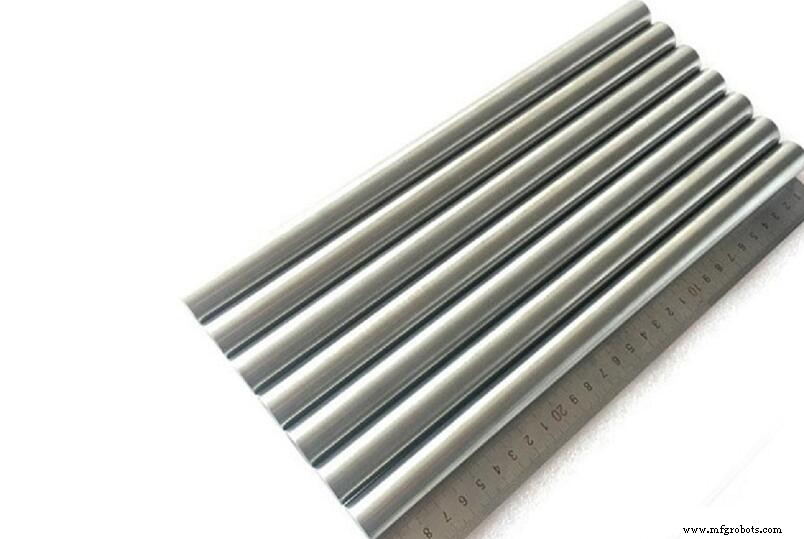
Uses of Tungsten‑Nickel‑Iron Alloys
Tungsten‑nickel‑iron alloys are the benchmark for high‑density, low‑thermal‑expansion, and weldable materials. Their exceptional density (≈19.3 g / cm³), modest volume expansion, excellent plasticity, and robust weldability make them indispensable in a variety of high‑performance applications. Below are the core industries that rely on this alloy.
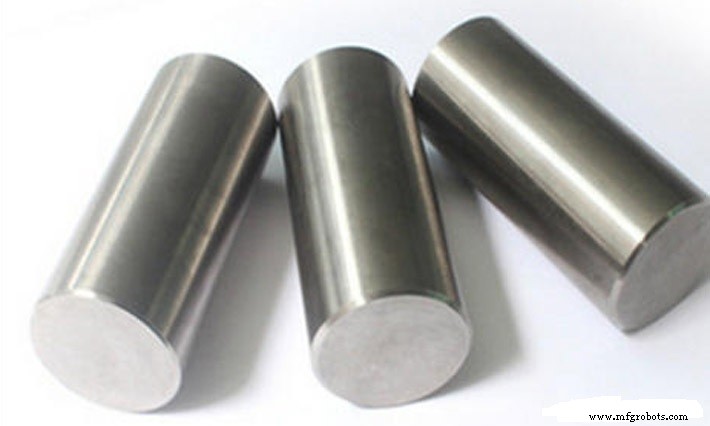
Uses of Tungsten‑Nickel‑Iron Alloys
The Role of Tungsten‑Nickel‑Iron Alloys in Radiation Protection and Guidance
Owing to its superior X‑ray and gamma‑ray attenuation, this alloy is the material of choice for radiotherapy collimators, shielding blocks, and beam‑guiding components. It is routinely incorporated into CT scanners, linear accelerators, PET systems, and gamma cameras, delivering reliable protection for both patients and operators.
Applications in Industrial Counterweights
High‑density tungsten‑nickel‑iron counterweights counterbalance swing, weight transfer, imbalance, and vibration across multiple sectors. Aerospace structures, automotive chassis, sports equipment, offshore drilling rigs, gas turbines, and precision optical assemblies all benefit from the alloy’s ability to stabilize the center of gravity without excessive bulk.
Use in Security and Defense Components
Modern warfare demands materials that can defeat armor, fortifications, and protected personnel. Tungsten‑nickel‑iron alloys provide the necessary density, energy absorption, penetration capability, and environmental resilience required for kinetic‑energy penetrators, armor‑piercing projectiles, and protective gear.
Contribution to Nuclear Power and Energy Systems
In nuclear facilities, the alloy serves as an inertia flywheel within the main cooling pump assembly. Its mass and strength help maintain continuous operation during transient events, reducing the risk of overheating and enhancing overall plant safety.
Conclusion
We hope this overview has clarified the diverse and critical applications of tungsten‑nickel‑iron alloys. For deeper technical insights, consult industry leaders such as Advanced Refractory Metals (ARM).
Advanced Refractory Metals (ARM), headquartered in Lake Forest, California, is a global supplier of high‑quality refractory metals and alloys, including tungsten, molybdenum, tantalum, rhenium, titanium, and zirconium, at competitive prices.
Metal
- Tungsten Alloy Wafers: Applications, Benefits, and Industrial Uses
- Enhancing DC Motor Performance with Tungsten‑Copper Alloys
- Tungsten Copper Alloy vs Tungsten Nickel‑Iron Alloy: A Technical Comparison
- Tungsten–Nickel–Iron Alloy Production: From Powder Blend to Final Sintering
- Tungsten Flux: Key Properties & Industrial Applications
- Titanium Alloys in Modern Civil Aircraft: Applications and Impact
- Tungsten–Nickel–Iron Alloys: Properties, Applications, and Processing
- Tungsten Carbide: Properties, Applications, and Industrial Impact
- Nickel: 5 Key Industrial Applications and Their Impact
- W Tungsten & Alloys: High‑Performance Applications in Steel, Heat‑Resistant Alloys, and Electronics