



Tungsten Flux: Key Properties & Industrial Applications
Tungsten Flux: Key Properties & Industrial Applications
Tungsten flux is a finely ground product derived from high‑purity tungsten, boasting a purity level that exceeds 99.95%. Its exceptional thermal stability, low impurity content, and unique chemical behavior make it indispensable across a broad spectrum of high‑performance industrial processes. In the sections that follow, we’ll explore its core characteristics, the meticulous preparation method, and the diverse applications that leverage its strengths.
Properties and Uses of Tungsten Flux
Core Properties of Tungsten Flux
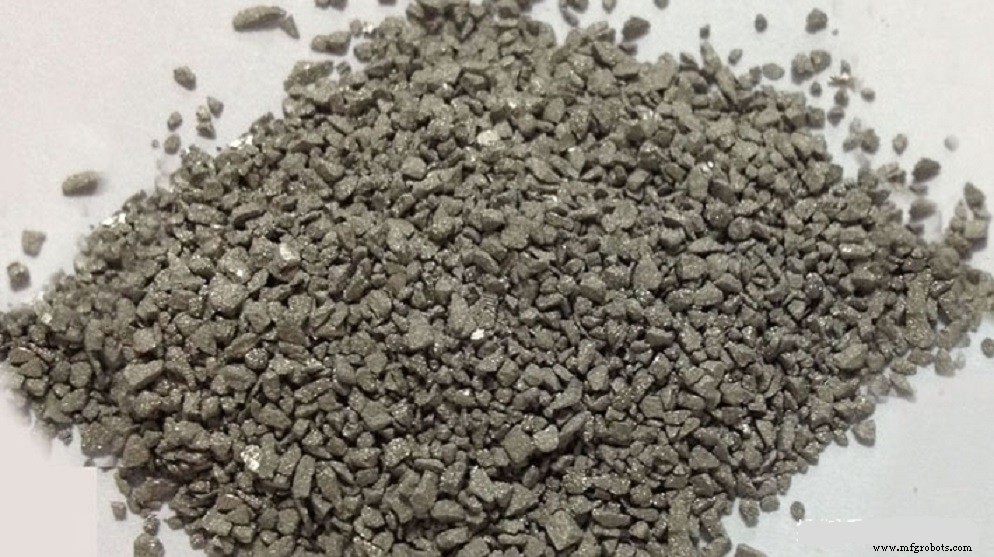
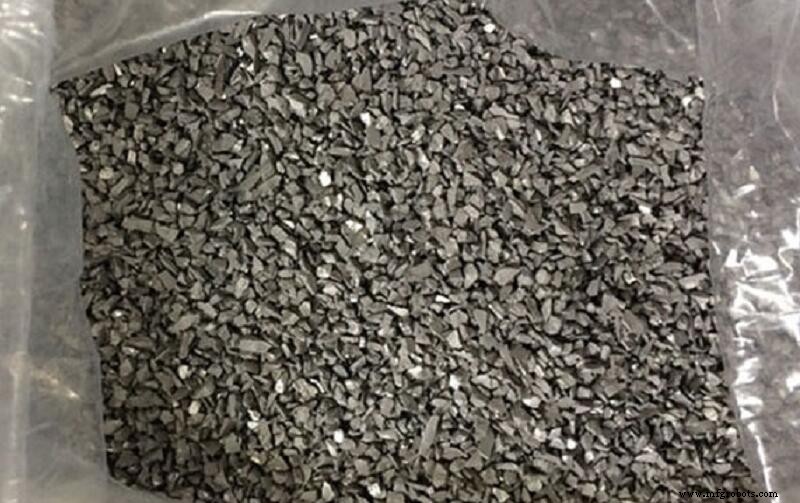
Tungsten flux presents as a bright gray polyhedral powder with an average particle size of approximately 75 mm, a melting point of ~3,420 °C, and a boiling point near 5,560 °C. Its density is 19.0 g/cm³, sulfur content is capped at 0.0005 %, and carbon content is limited to 0.0008 %. Beyond its inherent fluxing capability, the material also excels in heating, stirring, catalytic activity, combustion stabilization, interference suppression, and pH modulation.
Preparation Method
The production of tungsten flux involves a series of precision steps:
- Calcine ammonium para‑tungstate at high temperatures for several hours to produce tungsten oxide.
- Reduce the tungsten oxide to metallic tungsten within a hydrogen atmosphere.
- Ball‑mill the reduced product to eliminate agglomeration, achieving uniformly dispersed spherical tungsten particles.
- Sieve the milled particles to isolate high‑purity tungsten suitable for advanced applications.
Industrial Uses
- Analytical Catalysts: Its low impurity level and high melting point render it ideal for use as a catalyst in carbon and sulfur analyzers, significantly improving measurement accuracy for a wide range of solids and liquids—including steel, cast iron, copper alloys, ores, cement, ceramics, coal, and petroleum.
- Radiation Shielding: As a filler in shielding materials, tungsten flux enhances radiation protection, making it suitable for doors, baffles, and other protective enclosures.
- Counterweight Applications: With a high density and excellent corrosion resistance, it serves as an effective counterweight filler, reducing volume while maintaining structural integrity.
Conclusion
Thank you for exploring the capabilities of tungsten flux. If you’re interested in learning more about tungsten metal or other refractory metals, we invite you to visit Advanced Refractory Metals (ARM) for comprehensive resources.
Headquartered in Lake Forest, California, USA, Advanced Refractory Metals (ARM) is a leading global manufacturer and supplier of high‑quality refractory metals and alloys—including molybdenum, tantalum, rhenium, tungsten, titanium, and zirconium—delivered at competitive prices.
Metal
- W‑Ag Alloy: Key Properties and Industrial Applications
- Properties and Applications of Tungsten Alloy Counterweights
- Tungsten Diselenide (WSe₂): Structure, Properties, and Key Applications
- Tungsten Alloy Balls: Properties, Production, and Key Applications
- Tungsten–Copper Alloys: Key Properties, Manufacturing, and Applications
- Tungsten–Nickel–Iron Alloys: Properties, Applications, and Processing
- Tungsten Carbide: Properties, Applications, and Industrial Impact
- Chromium: Essential Trace Element, Properties, and Practical Applications
- Cast Iron Explained: Definition, Properties, and Applications
- Aluminium: Key Properties & Common Uses Explained