



Tungsten–Nickel–Iron Alloys: Properties, Applications, and Processing
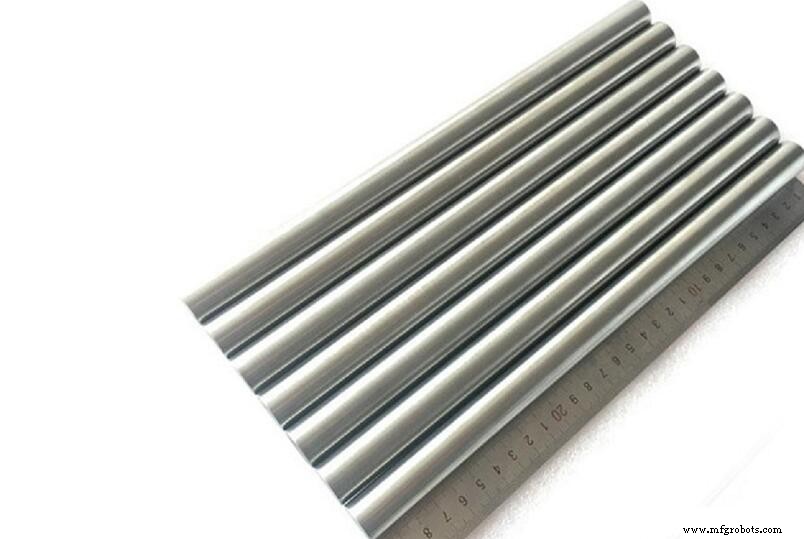
Tungsten–Nickel–Iron Alloys: Properties, Applications, and Processing
Tungsten–nickel–iron alloy is a high‑density composite whose main constituent is tungsten, with nickel, iron, and copper added in ratios typically 7:3 or 1:1. This composition delivers a unique combination of mechanical strength, thermal performance, and manufacturability.
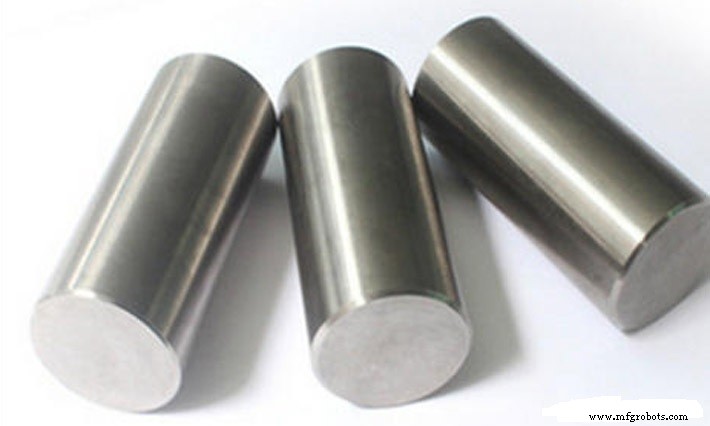
Applications and Properties of Tungsten Nickel Iron Alloy
Key Physical Properties
• Density: 16.5–18.75 g / cm³
• Tensile strength: 700–1 000 MPa
• Thermal conductivity: ~5× that of die steel
• Linear expansion coefficient: ⅔–⅓ that of conventional steel
• Excellent electrical conductivity, plasticity, weldability, and machinability
Industrial Applications
Its robust properties make the alloy indispensable in sectors such as aerospace, defense, nuclear, and high‑energy physics. Common components include counterweights, radiation shields, gyroscope rotors, armor‑piercing bullet cores, switch contacts, and other precision parts.
Effect of Nickel‑Iron Ratio on Performance
During slow cooling after sintering, alloys with a high nickel‑iron ratio tend to exhibit lower mechanical performance due to β‑phase precipitation at the tungsten–binder interface. In contrast, solution quenching enhances strength and toughness; the optimum ratio (≈ 9 : 1 Ni : Fe) yields the highest mechanical properties.
Fabrication Process
Raw materials: ammonium tungstate, nickel nitrate, iron nitrate, concentrated nitric acid.
Process steps:
1. Dissolve ammonium tungstate in water with a dispersant and ammonia under stirring.
2. Add ferric nitrate and nickel nitrate, heat to 60 °C for 10 min, then introduce concentrated nitric acid to induce co‑precipitation.
3. Dry the precipitate and calcine at 250 °C for ~2 h to obtain a composite oxide powder.
4. Crush and sieve the powder through a 200‑mesh screen, then reduce at 650–750 °C to form tungsten‑nickel‑iron powder.
5. Press the powder into a green compact at 360 MPa.
6. Sinter the compact in an oxygen furnace at 1 150–1 350 °C for 2 h to achieve the final product.
Conclusion
We hope this overview clarifies the remarkable properties and versatile applications of tungsten‑nickel‑iron alloys. For deeper insights into refractory metals and alloys, visit Advanced Refractory Metals (ARM), a leading global supplier headquartered in Lake Forest, California, offering high‑quality niobium, molybdenum, tantalum, rhenium, tungsten, titanium, and zirconium alloys at competitive prices.
Metal
- Tungsten‑Nickel‑Iron Alloys: Key Applications in Modern Industry
- Tungsten Copper Alloy vs Tungsten Nickel‑Iron Alloy: A Technical Comparison
- Tungsten–Nickel–Iron Alloy Production: From Powder Blend to Final Sintering
- Tungsten Flux: Key Properties & Industrial Applications
- Properties and Applications of Tungsten Alloy Counterweights
- Tungsten Alloy Balls: Properties, Production, and Key Applications
- Tungsten–Copper Alloys: Key Properties, Manufacturing, and Applications
- Tungsten‑Nickel‑Copper Alloy Shield: Advanced Lead‑Free Radiation Protection
- Tungsten–Nickel–Copper Alloys: Key Properties & Industry Applications
- Copper–Nickel Alloys: Superior Corrosion Resistance & Versatile Uses