



Titanium Sponge: Production Processes and Industry Applications
Titanium Sponge: Production Processes and Industry Applications
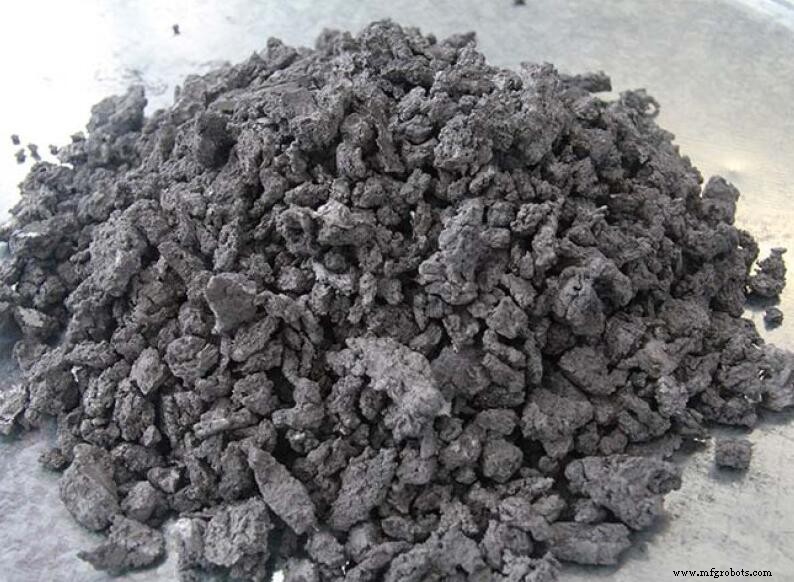
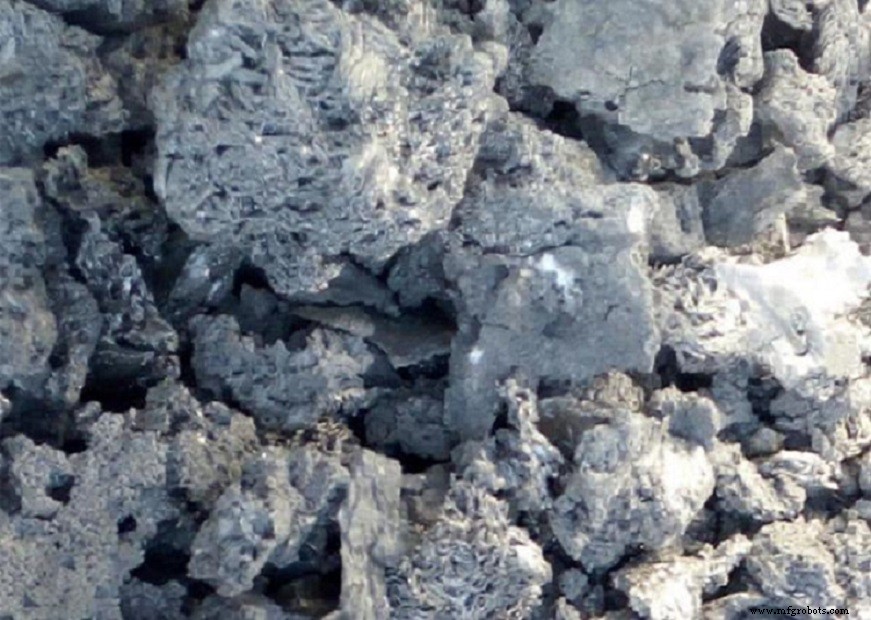
Titanium sponge is the foundational raw material for high-performance titanium alloys. It appears as a loose, porous mass that reacts readily with oxygen, so it must first be melted before it can be cast into ingots, rods, and other components. This article provides an in-depth look at the key stages involved in producing titanium sponge.
The Four Main Stages of Titanium Sponge Production
1. Chlorination Process
Titanium tetrachloride (TiCl4) is the starting material for sponge manufacture. Three primary chlorination methods are used worldwide:
- Boiling Chlorination – The industry standard, where finely ground titanium-bearing ore and petroleum coke are fluidized with high‑temperature chlorine gas. Decades of optimization have made this method reliable and cost‑effective.
- Molten Salt Chlorination – Titanium ore and coke are suspended in a molten salt bath (KCl, NaCl, MgCl2, CaCl2) before chlorine exposure, offering improved control over reaction conditions.
- Vertical Furnace Chlorination – A legacy technique involving stacked agglomerates of chlorinated ore and coke. Due to low throughput and quality issues, it has largely been phased out.
2. Refining Process
Purification of TiCl4 is critical. The process typically combines rectification to separate high‑ and low‑boiling impurities with a chemical treatment that removes vanadium and other transition metals, ensuring a high‑purity feed for sponge production.
3. Reduction‑Distillation Process
Titanium sponge is formed through a two‑step reduction‑distillation sequence. Manufacturers employ either the “I‑type” (series) or “∩‑type” (parallel) combined methods, each offering distinct advantages in terms of yield, energy consumption, and product consistency.
4. Electrolytic Magnesium Process
Modern facilities increasingly use multi‑pole electrolytic cells and magnesium‑based electrolytes without separators. This cutting‑edge technology significantly cuts power and chlorine usage, boosting overall process efficiency.
Conclusion
Understanding these processes is essential for anyone involved in the titanium supply chain. For deeper technical insights or to source high‑quality refractory metals—including tungsten, molybdenum, tantalum, rhenium, titanium, and zirconium—visit Advanced Refractory Metals (ARM), headquartered in Lake Forest, California.
Metal
- Titanium’s Superior Corrosion Resistance and Key Industrial Applications
- Titanium Alloy Superplastic Forming: Process, Applications, and Benefits
- Titanium‑Clad Steel Plates: Superior Corrosion Resistance Across Industry Applications
- Titanium and Alloy Anodizing: Process, Coloration, and Applications
- Titanium: Driving Efficiency and Quality in Pharmaceutical Manufacturing
- Porous Titanium Plate: Advanced Material for Efficient Filtration and Ozone Wastewater Treatment
- Titanium‑Clad Copper: Composition, Benefits, and Advanced Manufacturing Techniques
- Premium Titanium Dioxide White Masterbatch Production – Sunrise Colours
- Direct Reduced Iron (DRI): Production Techniques and Industrial Processes
- Industry 4.0: How Digital Transformation Is Revolutionizing Manufacturing