



Titanium‑Clad Steel Plates: Superior Corrosion Resistance Across Industry Applications
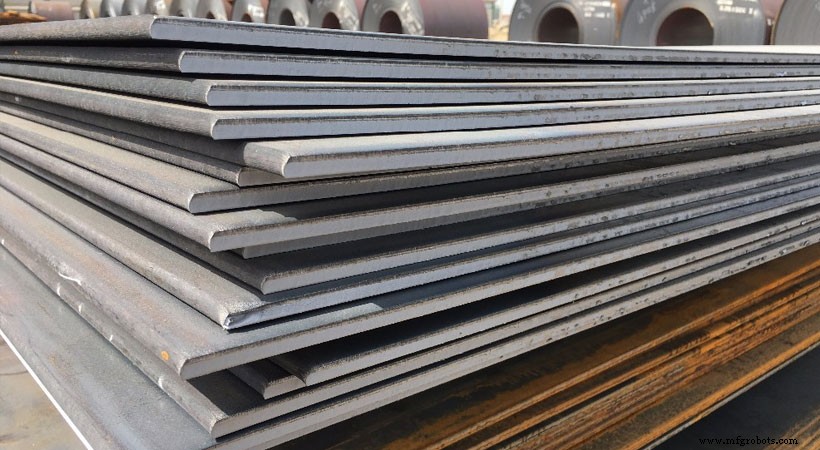
Titanium‑Clad Steel Plates & Their Industry Applications
Titanium’s unmatched corrosion resistance makes it the material of choice for high‑performance vessels, heat exchangers, and marine structures. Yet, its high cost and machining difficulty limit direct use, especially as a structural component. The industry’s answer: titanium‑clad steel plates – a cost‑effective composite that delivers titanium’s protection on a steel backbone.
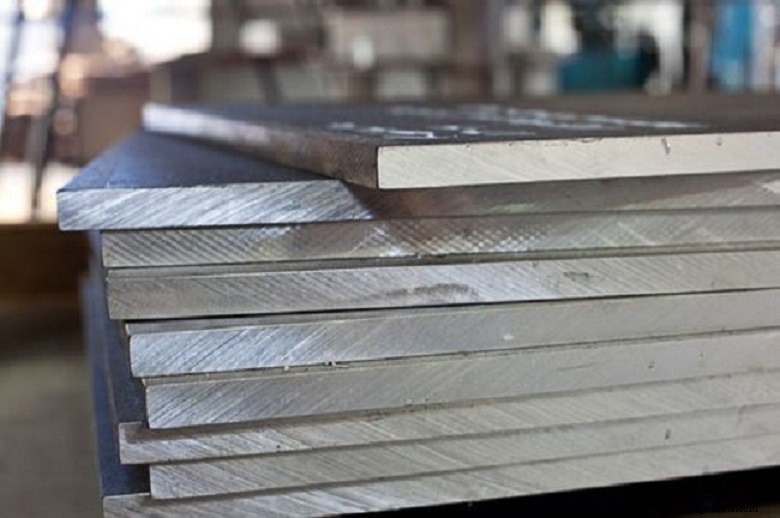
Titanium Clad Steel Plate
What Is a Titanium‑Clad Steel Plate?
A titanium‑clad steel plate is a steel substrate that has been bonded to a titanium layer via one of three advanced techniques: the explosive‑clad, thick‑plate rolling, or continuous hot‑rolling processes. The result is a material that retains the strength and weldability of steel while gaining titanium’s corrosion‑resistant properties. This hybrid solution cuts material costs by up to 60% compared to pure titanium, making it ideal for large‑scale, corrosive environments.
Manufacturing Methods
- Explosive‑Clad Method – Suitable for thick plates; excellent for structural, high‑temperature applications.
- Thick‑Plate Rolling – Produces durable, corrosion‑resistant panels for construction and industrial tanks.
- Continuous Hot‑Rolling – Creates thin, high‑grade plates used predominantly in marine civil engineering.
Key Application Fields
1. Petrochemical & Chemical Process Equipment
In refineries and chemical plants, titanium‑clad plates withstand aggressive acids, alkalis, and salts, outperforming conventional steel by reducing corrosion rates by up to 80%. They are essential in reactors, heat exchangers, and storage vessels, ensuring reliability and extending service life.
2. Vacuum Salt‑Making Operations
Salt‑making facilities benefit from titanium’s resistance to seawater, chloride solutions, and fluid erosion. Clad plates in evaporation chambers mitigate scaling, prolonging equipment life and improving salt purity while cutting maintenance costs.
3. Desalination Plants
Desalination units require materials that resist marine brine and corrosive brine chemistry. Titanium‑clad steel provides a non‑toxic, highly durable solution, reducing downtime and enhancing plant efficiency.
4. Nuclear Power Generation
In nuclear plants, thick‑clad plates (≥8 mm) and wide sheets (≥20 m) serve as condenser tube sheets. Their high strength and corrosion resistance support the demanding operational environment, driving adoption across the industry.
Conclusion
With superior corrosion resistance and robust mechanical performance, titanium‑clad steel plates are redefining material choices for high‑integrity applications. As manufacturing processes continue to evolve, their deployment will only expand.
To explore more about titanium and its alloys, visit Advanced Refractory Metals (ARM), a global leader in refractory metal solutions.
ARM, headquartered in Lake Forest, CA, supplies premium titanium, titanium alloys, tungsten, molybdenum, tantalum, rhenium, and zirconium at competitive prices.
Metal
- Titanium’s Superior Corrosion Resistance and Key Industrial Applications
- Tungsten in Modern Warfare: Key Military Applications
- Titanium: Key Properties and Real‑World Applications
- Titanium and Alloy Anodizing: Process, Coloration, and Applications
- Porous Titanium Plate: Advanced Material for Efficient Filtration and Ozone Wastewater Treatment
- Titanium Alloy Springs vs. Steel Springs: Performance, Advantages, and Applications
- Titanium‑Clad Copper: Composition, Benefits, and Advanced Manufacturing Techniques
- Titanium Valves: Properties, Performance, and Key Applications
- Tool Steel Explained: Key Properties & Applications in Construction & Manufacturing
- Tool Steel: Types, Properties, and Key Industrial Applications