



Titanium and Alloy Anodizing: Process, Coloration, and Applications
Titanium and Alloy Anodizing: Process, Coloration, and Applications
Anodic oxidation is a time‑tested method for producing a durable, uniform oxide layer on titanium and its alloys. The resulting film delivers excellent corrosion resistance, strong adhesion, and biocompatibility, making it indispensable in biomedical implants, aerospace components, and decorative engineering.
Anodizing Process of Titanium & Its Alloys
In this procedure, titanium serves as the anode while a conductive metal—often stainless steel—acts as the cathode. Under a carefully controlled electrolyte and voltage, an electrochemical reaction forms a smooth, nanostructured TiO₂ film on the surface.
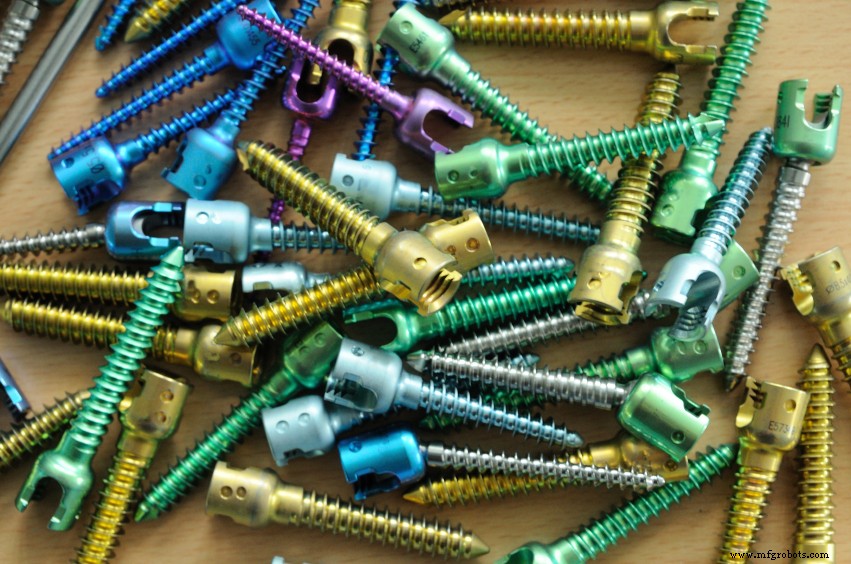
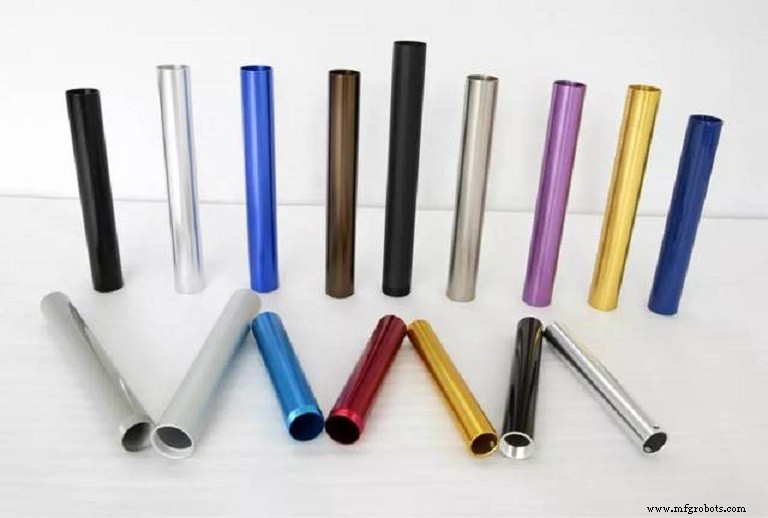
The thickness of this oxide layer directly influences its optical properties: varying thicknesses produce a spectrum of colors while simultaneously acting as a protective barrier. This dual functionality makes anodized titanium ideal for high‑performance applications.
Step‑by‑Step Anodizing and Coloring Sequence
The complete sequence is:
1. Degreasing
During rolling, titanium surfaces accumulate lubricating oils that are poorly wetted by water. A rigorous alkali degreasing step eliminates these contaminants, ensuring a uniform surface and preventing color mismatch during subsequent pickling.
2. Initial Pickling
A 5 % (wt/wt) hydrofluoric acid bath selectively removes native oxides and creates a fine pear‑skin microstructure. This texture increases surface area, which is beneficial for the following anodizing stage.
3. Secondary Pickling
The first pickling often leaves a powdery residue. A combined hydrofluoric acid and hydrogen peroxide solution dissolves this layer while forming a stable titanium–fluoride complex that protects the surface from uneven etching.
4. Anodizing
Using a 1 % phosphoric acid electrolyte and a constant‑voltage cell (titanium anode, stainless‑steel cathode), the oxide layer grows until the desired thickness—and thus color—is achieved. The voltage is monitored to prevent over‑growth or cracking.
5. Sealing
To enhance the durability of the TiO₂ film, the part is sealed in hot water, steam, or a salt solution. This step densifies the oxide, reduces porosity, and improves resistance to corrosion, pollution, and wear.
6. Drying
After sealing, a clean cotton cloth removes excess liquid, and the component is allowed to air‑dry. This prevents streaks and ensures a pristine finish.
Conclusion
Titanium anodizing is a straightforward, cost‑effective process that yields a wide palette of colors and superior surface protection. Its scalability and low environmental impact make it a compelling choice for manufacturers across aerospace, medical, and decorative industries.
For more technical resources on titanium and its alloys, visit Advanced Refractory Metals (ARM). Based in Lake Forest, California, ARM supplies high‑quality titanium, titanium alloys, and other refractory metals worldwide.
Metal
- Titanium Alloys in Modern Civil Aircraft: Applications and Impact
- Titanium’s Superior Corrosion Resistance and Key Industrial Applications
- Titanium Alloys: Evolution, Applications, and Industry Impact
- Titanium Alloys in Maritime Applications: Enhancing Ship Performance and Durability
- Understanding and Preventing Surface Defects in Titanium Alloys
- Titanium Alloy Superplastic Forming: Process, Applications, and Benefits
- Titanium‑Clad Steel Plates: Superior Corrosion Resistance Across Industry Applications
- Porous Titanium Plate: Advanced Material for Efficient Filtration and Ozone Wastewater Treatment
- Mastering Titanium Machining: Expert Techniques & Tool Selection for Alloys
- Why Wire Cutting Titanium Alloys Is Challenging—and How to Overcome It