



Titanium Alloy Oil Well Pipes: Superior Performance and Key Advantages
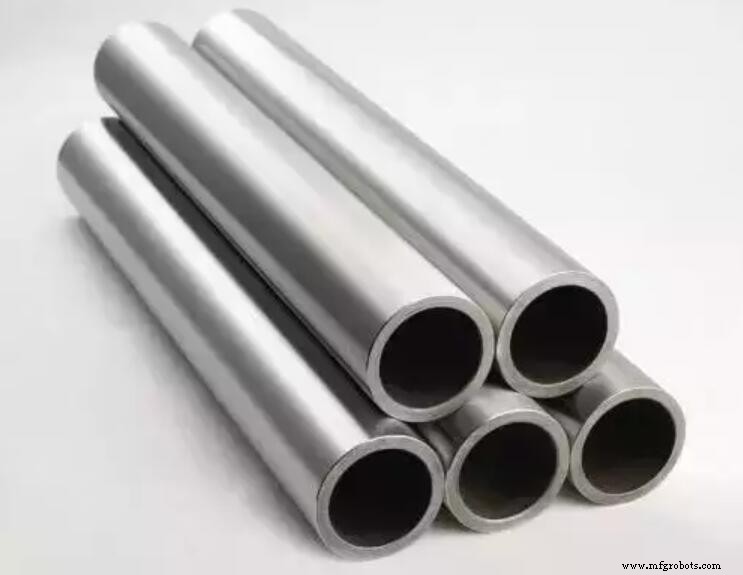
Titanium Alloy Oil Well Pipes: Superior Performance and Key Advantages
In the petroleum sector, the integrity of oil well tubing is critical. When compared to conventional steel or stainless‑steel pipes, titanium‑alloy tubing delivers unmatched durability, reducing field failure rates and overall development costs.
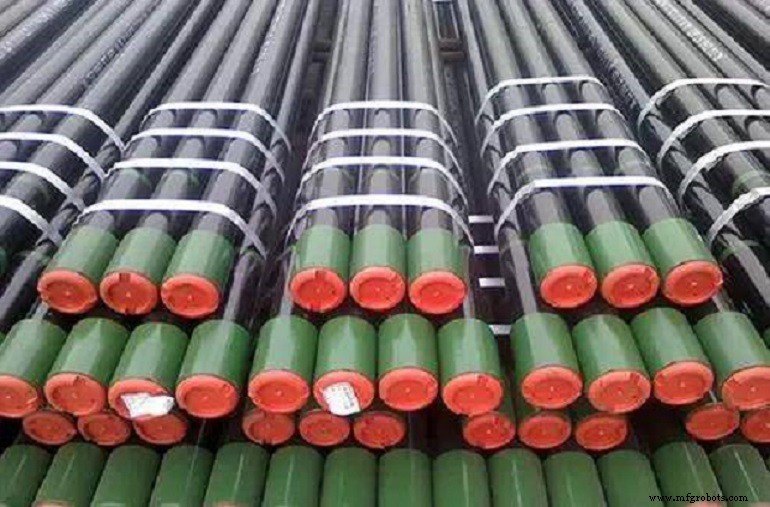
Titanium Alloy Oil Well Pipe
Oil wells expose tubing to extreme pressures—hundreds to thousands of atmospheres—extreme temperatures, and aggressive corrosive fluids. Any failure can shut down a well permanently. Titanium’s unique combination of mechanical strength and chemical resistance dramatically mitigates these risks.
Key Advantages of Titanium‑Alloy Tubing in Oil & Gas
1. Exceptional Corrosion Resistance
Titanium alloys outperform stainless steel in resisting pitting, acid attack, and stress corrosion. They are also highly tolerant of hydrogen‑induced cracking, a common failure mode in high‑temperature, high‑pressure wells.
2. Superior Mechanical Properties
With a low density yet high strength, titanium reduces the overall weight of the well string, lowering mechanical load and extending equipment life. Its non‑magnetic nature improves downhole logging accuracy. Titanium’s fatigue life exceeds that of conventional steel by more than tenfold, making it ideal for drill pipes, risers, and ultra‑deep wells.
These attributes translate into higher reliability, lower maintenance costs, and greater safety for offshore and onshore operations.
Industry Outlook
Adoption of titanium‑alloy tubing is accelerating as the industry pushes toward deeper, more corrosive reservoirs. The long‑term cost savings and operational advantages position titanium as the preferred material for next‑generation oil wells.
Learn More
For additional technical data and supplier information, visit Advanced Refractory Metals (ARM), a global leader in refractory metals and alloys, including titanium, tungsten, molybdenum, tantalum, rhenium, and zirconium.
Metal
- Titanium Alloy Heat Treatment: Optimizing Strength, Stability, and Process Control
- Titanium‑Alloy Carabiners: Superior Strength and Lightweight for Serious Climbers
- Chemical Milling of Titanium Alloys: Process, Benefits, and Best Practices
- Titanium Alloy Forging: Advanced Techniques for Aerospace & Power Generation
- Titanium Alloy Springs vs. Steel Springs: Performance, Advantages, and Applications
- Titanium Alloy 3D Printing: Applications, Benefits, and Industry Use Cases
- Titanium Fasteners: Superior Strength, Corrosion Resistance, and Versatile Applications
- Titanium Valves: Properties, Performance, and Key Applications
- How Titanium Alloys Drive Performance and Efficiency in Modern Automobiles
- Titanium Alloys 101: Strength, Grades, and Key Benefits for Engineers