



Extending the Lifespan of Molybdenum Wire: Proven Techniques
Extending the Lifespan of Molybdenum Wire: Proven Techniques
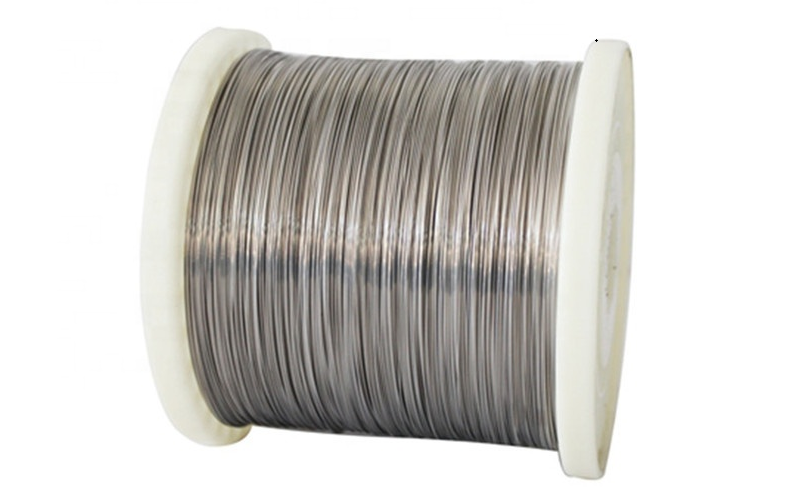
Molybdenum wire—a high‑purity refractory metal—finds application in winding‑core wires, brackets, lead wires, heating elements, molybdenum foil tapes, and automotive spray processes. Alloyed variants, such as lanthanum‑ or yttrium‑molybdenum, are commonly used for glass seal cores, furnace heating materials, and high‑temperature components. The following guidance is based on industry best practices and hands‑on experience, helping operators keep molybdenum wire in top condition for longer.
How to Prolong the Service Life of Molybdenum Wire?
Each discharge into the workpiece imposes micro‑damage on the wire. To minimise wear, replace the wire only when it shows visible wear, then begin cutting at low‑energy settings until the surface turns a uniform white. Once this whitening is achieved, you may safely switch back to standard high‑current cuts. Prior to a replacement, let the new wire dry for 5–10 minutes; this releases built‑in stresses and reduces the chance of immediate breakage.
When the wire breaks in a cutting machine, the fracture usually occurs within a dozen to several dozen turns after the barrel changes direction. The ends of the wire are especially vulnerable. The fix is simple: regularly advance the barrel and alternate the stroke‑switch block outward and inward to distribute wear more evenly across the spool.
Storage conditions strongly influence longevity. Keep the wire in a well‑ventilated, cool area with low humidity, ideally between 20 °C and 25 °C, to avoid oxidation. If a spool sits idle for more than six months, vertical alignment may drift; inspect the package for deformation or damage before re‑use.
Operational handling is equally critical. Molybdenum wire is highly susceptible to deformation; avoid bending it during loading. Should a bend occur, cut the damaged section immediately to prevent breakage during machining. The quality of the cutting fluid also matters: a blackened fluid indicates fouling and can degrade wire performance, so replace it promptly.
Conclusion
By following these practices—controlled cutting energy, regular barrel adjustments, proper storage, careful handling, and clean cutting fluid—you can significantly extend the service life of molybdenum wire. For more insights on molybdenum and other refractory metals, visit Advanced Refractory Metals (ARM), a global leader in high‑quality refractory alloys.
Headquartered in Lake Forest, California, ARM supplies a full range of refractory metals, including molybdenum, tantalum, rhenium, tungsten, titanium, and zirconium, at competitive prices.
Metal
- Common Causes of Molybdenum Wire Breakage During Wire Cutting
- How Molybdenum Shapes Modern Industry: Uses, Benefits, and Supply Dynamics
- Prolong Your Equipment's Lifespan: Expert Maintenance Tips
- Mitigating Outsourcing Risks: A CIO's Guide to Secure IT Partnerships
- Extend Your End Mill's Lifespan: Proven Strategies to Reduce Breakage and Save Costs
- 6 Essential Diesel Engine Maintenance Tips to Extend Longevity
- Choosing a Top-Quality VFD Drive Repair Service: A Practical Guide
- Choosing the Best Online PCB Manufacturer: A Guide to Top-Quality Service
- High-Performance Molybdenum Wire: Annealed & Electropolished for Superior Thermal and Mechanical Properties
- Maximize the Lifespan of Tungsten Steel Milling Cutters: Proven Strategies