



How Molybdenum Shapes Modern Industry: Uses, Benefits, and Supply Dynamics
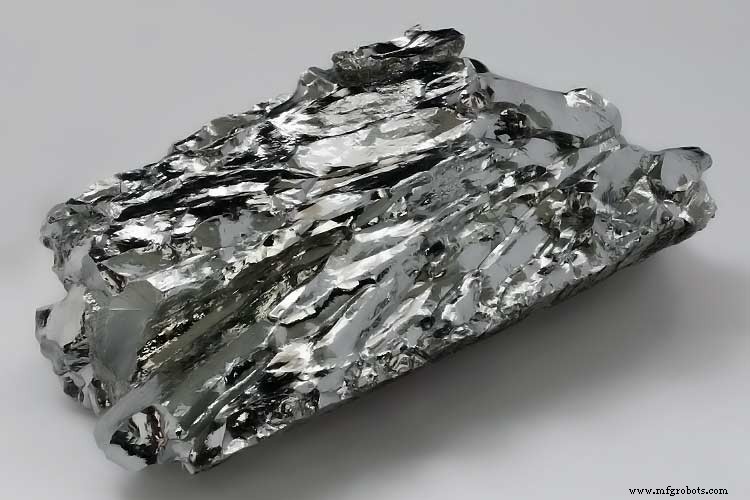
How Molybdenum Shapes Modern Industry
Molybdenum (Mo) was first identified as a distinct element in 1778. Prior to this, its primary ore, molybdenite, was mistaken for a lead mineral due to its gray color and greasy feel.
In the late 1800s, French metallurgists discovered that adding small amounts of molybdenum to steel dramatically increases toughness and corrosion resistance. This breakthrough made molybdenum‑steel alloys indispensable for tools, armor plates, and high‑performance components.
Today, the most common application of molybdenum is as an alloying agent in stainless steel, alloy steels, and superalloys. These materials gain enhanced hardness, strength, and corrosion resistance, enabling use in demanding environments.
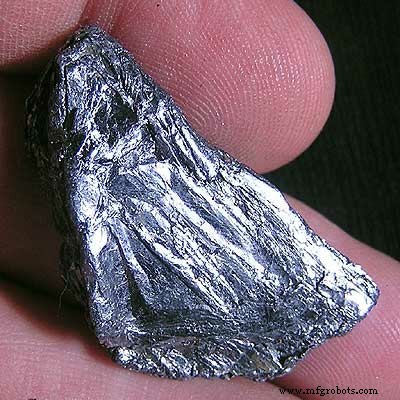
Molybdenum
In 2008, roughly two‑thirds of global molybdenum production went into alloy steels and superalloys. Stainless steels enriched with molybdenum are critical for water distribution systems, food‑handling equipment, chemical processing, and medical devices.
Because of their superior strength and toughness, molybdenum‑alloy steels are used to manufacture automotive parts, construction equipment, and gas transmission pipelines. These alloys allow modern industry to operate reliably under high stress, extreme temperatures, and corrosive environments.
Without molybdenum, the high‑strength steels required for heavy construction would be costlier, and heavier alternative materials could render projects impractical or impossible. Beyond alloys, molybdenum serves as a refractory metal and plays a key role in catalysts, lubricants, and pigments.
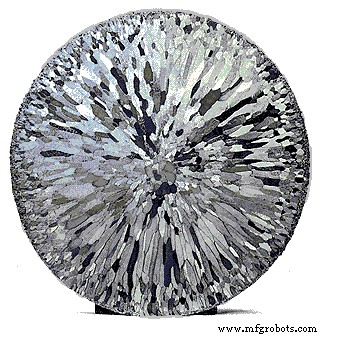
Molybdenum Metals
Unlike many strategic metals, the United States has abundant domestic molybdenum resources. This availability, coupled with its versatile properties, fuels ongoing research into new materials that leverage molybdenum’s alloying benefits.
In 2007, 57% of U.S. molybdenum and 61% of global supply were produced as a byproduct of copper mining. Consequently, short‑term shifts in copper prices can affect molybdenum availability. A sudden decline in copper mining activity reduces the amount of byproduct molybdenum, while primary molybdenum mines can only modestly increase output to meet demand spikes.
Even with robust underground reserves—such as those in Colorado’s Climax‑type deposits—overall production must balance market forces and mining economics.
Conclusion
Thank you for exploring the vital role of molybdenum in modern technology. For deeper insights into refractory metals, visit Advanced Refractory Metals. We offer high‑quality refractory metals at competitive prices.
Metal
- Molybdenum in Medicine: Advanced Applications in Breast Imaging and Bone Repair
- Molybdenum Mining & Processing: From Ore to Metal – A Technical Overview
- Leveraging Azure DevOps: Proven Practices for Accelerated Delivery
- Using Impure Functions in VHDL: Enhancing FSM Readability and Maintainability
- Mastering VHDL Functions: A Practical Guide to Efficient Design
- Using Procedures in VHDL: Simplify Your Design with Reusable Code
- Mastering While Loops in VHDL: Dynamic Iteration Control
- Mastering For‑Loops in VHDL: A Practical Guide
- Navigating Our Site: A Complete Guide to Adding, Purchasing, and Downloading DXF Files
- Mastering Cutter Grinder Techniques: A Practical Guide