



Molybdenum Mining & Processing: From Ore to Metal – A Technical Overview
Molybdenum Mining & Processing: From Ore to Metal – A Technical Overview
Molybdenum is a silver‑white transition metal (atomic number 42) with a density of 10.2 g/cm³, a melting point of 2610 °C and a boiling point of 5560 °C. Mining and refining technology has evolved steadily since 1916, when the first commercial molybdenum deposit, the Climax mine near Leadville, Colorado, was opened. In this article we detail the complete supply chain: from surface or underground extraction to the final metallic product.
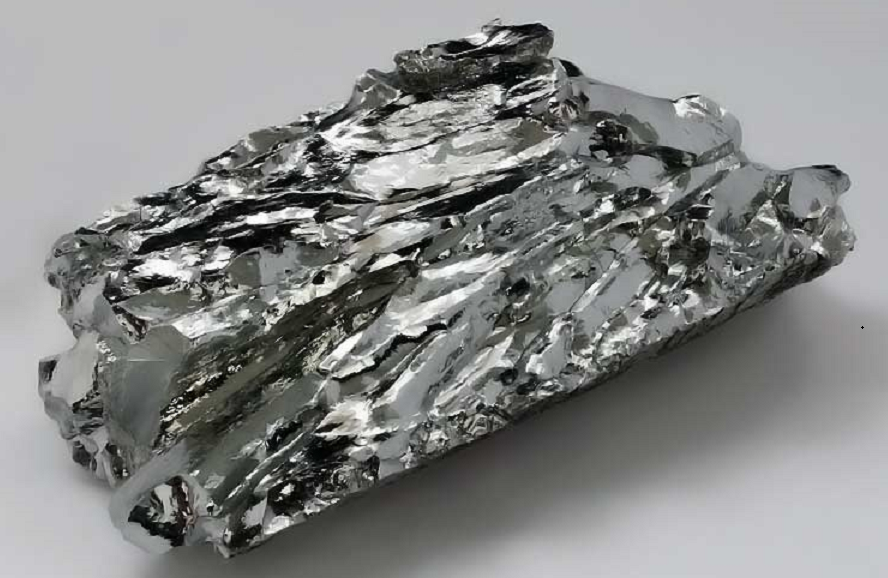
Molybdenum mining and processing workflow
Molybdenum is primarily produced in the Americas, Asia, and the former Soviet bloc. Major producing nations include the United States, Canada, Chile, Peru, Mexico, China and Russia. According to the U.S. Geological Survey (2008), global proven reserves total about 19 million tonnes. China holds the largest reserves, followed by the U.S. and Chile. The world's largest operations can extract over 50 000 t of ore daily.
Molybdenum Mining
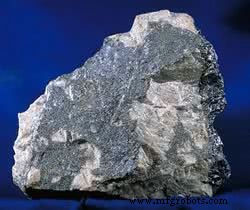
Molybdenum is found in several minerals, but industrial production relies almost exclusively on molybdenite (MoS₂). Although molybdenite can occur alone, it is almost always intergrown with copper sulfide minerals. Ore grades typically range from 0.01 % to 0.25 % Mo.
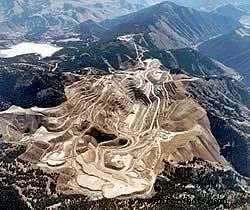
Thompson Creek molybdenum ore
Ore bodies are classified into three categories based on economic priorities: primary ore (molybdenite recovery only), by‑product ore (copper recovery first, molybdenum as secondary), and symbiotic ore (both minerals recovered for commercial viability).
Surface‑located deposits are typically mined using open‑pit methods, whereas deeper reserves employ underground block caving. In block caving, large ore blocks are fractured from the bottom and collapse under gravity, allowing continuous surface processing.
Molybdenum Processing
1. Crushing & Grinding
The raw ore is first crushed to gravel size, then milled in a ball mill to a fine powder suitable for downstream separation.
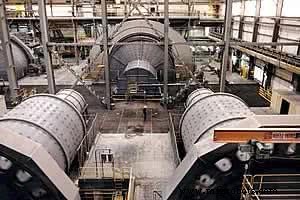
Molybdenum ore grinding
2. Flotation
In flotation, the ground ore is mixed with reagents and water. Low‑density molybdenite rises to the surface as froth and is skimmed off, while gangue sinks to the bottom. The resulting concentrate contains 85 %–92 % MoS₂. Acid leaching may be applied to remove copper, lead and other trace metals.
3. Calcination
The MoS₂ concentrate is roasted at 500–650 °C to produce molybdenum trioxide (MoO₃). Key reactions are:
2 MoS₂ + 7 O₂ → 2 MoO₃ + 4 SO₂
MoS₂ + 6 MoO₃ → 7 MoO₂ + 2 SO₂
2 MoO₂ + O₂ → 2 MoO₃
Roasting occurs in a multi‑chamber furnace with counter‑flow gas; rotating baffles promote uniform reaction. Sulfur dioxide is captured via desulfurization or lime‑washing, ensuring a product with ≥ 57 % Mo and < 0.1 % S, suitable for alloying and further processing.

Calcination process
Rhenium Recovery
Some molybdenite concentrates, often by‑products of copper mining, contain up to 0.10 % rhenium. The roaster step is the primary industrial route to recover this rare metal, which is highly valuable for specialty alloys.
Ferromolybdenum Production
Approximately 30 %–40 % of industrial MoO₃ is reduced to ferromolybdenum (FeMo) by reacting MoO₃ with iron ore and reducing agents such as ferrosilicon and aluminum. The resulting ingots, weighing several hundred kilograms, contain 60 %–75 % Mo and are subsequently ground to the desired size for alloy production.
Advanced Molybdenum Chemicals
About a quarter of global MoO₃ is converted into specialty chemicals. Pure MoO₃ is obtained via sublimation, while wet‑process routes produce ammonium molybdate and molybdate salts. These intermediates are crystallized or precipitated to yield high‑purity products for use in electronics, glass, and metallurgy.
Molybdenum ore processing
Molybdenum Metal Production
Reduction of MoO₃ or ammonium molybdate to metallic Mo is a two‑stage hydrogen reduction. The first stage converts MoO₃ to MoO₂ at 450–650 °C; the second stage reduces MoO₂ to Mo metal at 1000–1100 °C. Modern rotary furnaces enable continuous feed and improved throughput.
Conclusion
We hope this overview clarifies the journey of molybdenum from ore to alloy. For deeper technical details or to source high‑quality refractory metals, visit Advanced Refractory Metals (ARM), headquartered in Lake Forest, California. ARM supplies tungsten, molybdenum, tantalum, rhenium, titanium, and zirconium worldwide at competitive prices.
Metal
- Extending the Lifespan of Molybdenum Wire: Proven Techniques
- Molybdenum Wire: Types, Properties, and Industrial Applications
- Molybdenum and Its Alloys: Key Applications in Material Processing
- How Molybdenum Shapes Modern Industry: Uses, Benefits, and Supply Dynamics
- Molybdenum Recovery and Utilization: Current Trends and Techniques
- How Tantalum Is Mined: Process, Sources, and Uses
- Exploring 6G: The Future of Ultra-Fast Connectivity
- Gravity Separation & Ore Beneficiation: From Ancient Gold Panning to Modern Mining Solutions
- Copper Brazing Explained: Techniques & Tips for Strong, Reliable Connections
- Master Copper Brazing: A Complete Guide to Joining Tubes & Fittings