



Molybdenum Wire: Types, Properties, and Industrial Applications
Molybdenum Wire: Types, Properties, and Industrial Applications
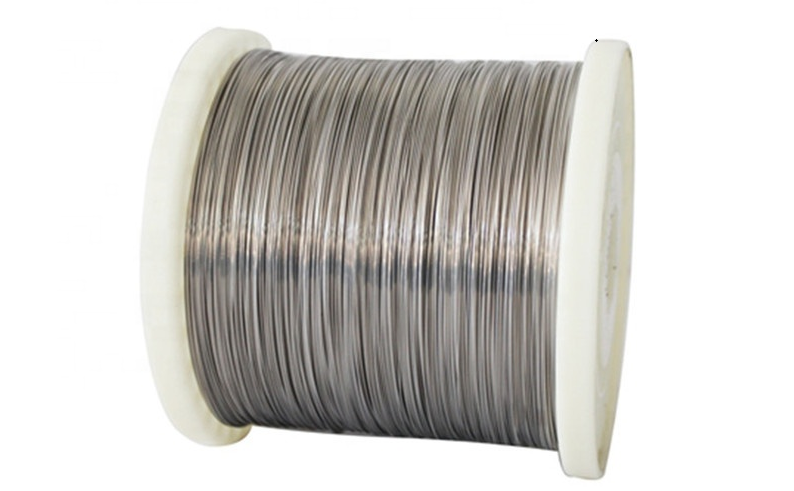
Molybdenum is a silver‑white transition metal known for its exceptional high‑temperature strength and resistance to oxidation at ambient conditions. With a melting point of 2,623 °C, it is routinely employed in demanding environments across steel, petroleum, chemical, electrical, medical, and agricultural sectors.
As a common commercial form, molybdenum wire delivers the same robust performance as bulk metal while offering the flexibility and precision required for specialized applications. Below, we break down the main wire types and highlight their typical uses.
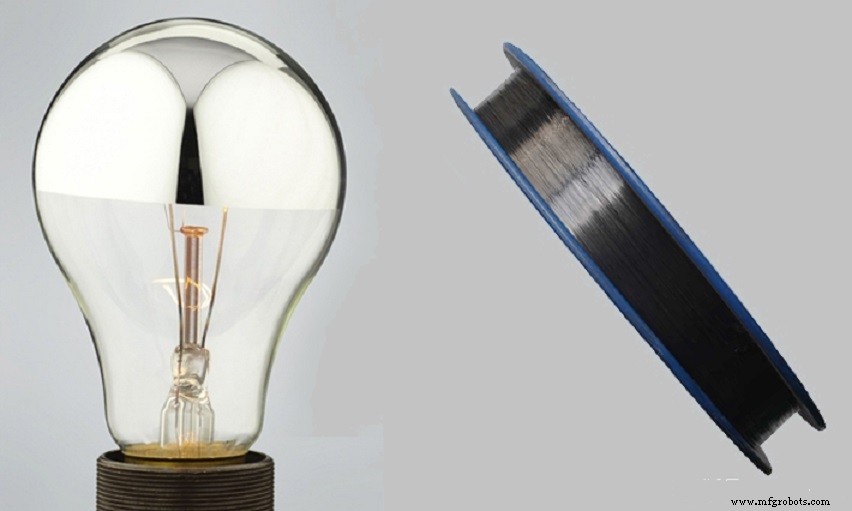
Types and Uses of Molybdenum Wire
Classification of Molybdenum Wire
By composition, molybdenum wire is categorized into four principal groups:
- Pure Molybdenum Wire – ≥ 99.9 % purity with a naturally black‑gray surface that turns white after alkaline degreasing.
- High‑Temperature Molybdenum Wire – alloyed with lanthanum, offering a higher recrystallization temperature, superior ductility, and a grain‑interlocked microstructure that resists sagging under heat.
- Sprayed Molybdenum Wire – coated with a thin protective layer, ideal for high‑wear automotive components.
- Wire‑Cutting Molybdenum Wire – engineered for precision cutting of conductive materials such as steel, aluminum, brass, titanium, and superalloys.
Industrial Applications
Pure Molybdenum Wire
Its excellent electrical conductivity makes it a staple in lighting technology: tungsten filament holders, halogen bulb leads, and electrodes for gas discharge lamps. It is also used as a heating element in aircraft windshields for defrosting, and as grid material in electron and power tubes.
High‑Temperature Molybdenum Wire
Lanthanum‑enhanced alloys are favored for components that endure extreme temperatures. Common uses include:
- Printing pins and mechanical fasteners (nuts, screws)
- Halogen lamp holders and high‑temperature furnace heaters
- Lead wires for quartz and high‑temperature ceramics
Sprayed Molybdenum Wire
The protective coating provides superior wear resistance for demanding automotive parts such as piston rings, gearbox synchronizers, and gear selector forks, reducing friction and extending service life.
Wire‑Cutting Molybdenum Wire
Engineered for high‑speed, high‑precision cutting of virtually all conductive metals—including superalloys—this wire is indispensable in aerospace, automotive, and manufacturing machining centers.
Conclusion
We hope this overview clarifies the distinct categories of molybdenum wire and showcases their critical roles in modern industry. For deeper technical insights, visit Advanced Refractory Metals (ARM), a global leader headquartered in Lake Forest, California, supplying high‑quality refractory metals and alloys such as molybdenum, tantalum, rhenium, tungsten, titanium, and zirconium.
Metal
- Molybdenum Plates: Key Applications & Benefits
- Titanium Wires: Types, Properties, and Industrial Applications
- Molybdenum Rods: Types, Applications, and Care
- Tantalum Wire: Classification, Properties, and Key Applications
- Understanding Pipe Couplings: Types, Functions, and Applications
- Graphite Explained: Definition, Types, and Applications
- Sheet Metal Explained: Definition, Types, and Common Uses
- Cast Iron Unveiled: History, Types, Properties, and Modern Applications
- Spanner Types Explained: Choosing the Right Tool for Every Job
- Wood Varieties & Their Practical Uses: From Construction to Paper Production