



Tantalum Wire: Classification, Properties, and Key Applications
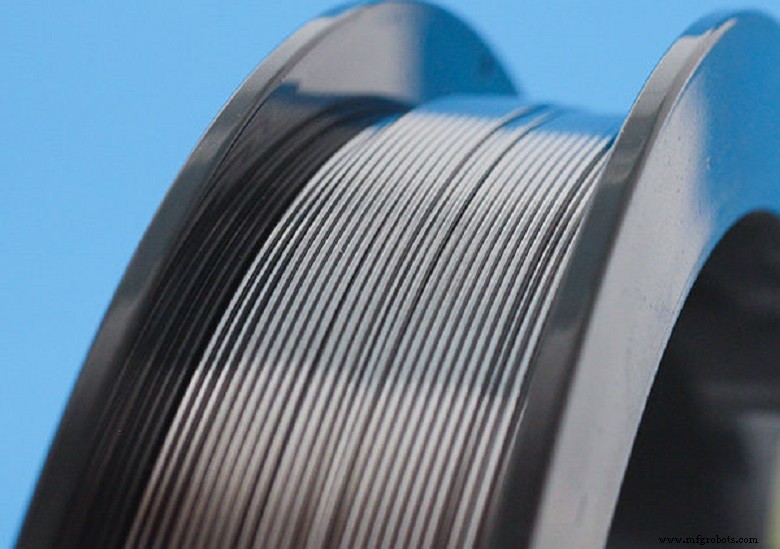
Classification & Uses of Tantalum Wire
Tantalum is the third most refractory metal, surpassed only by tungsten and rhenium, boasting a melting point of 2,980 °C. Its low vapor pressure, excellent cold workability, chemical inertness, resistance to liquid metal corrosion, and the high dielectric constant of its surface oxide film make it indispensable in advanced sectors such as solid alloy manufacturing, nuclear technology, superconducting systems, automotive electronics, aerospace, medical devices, and scientific research. This article explores how tantalum wire is categorized and the critical roles it plays across industries.
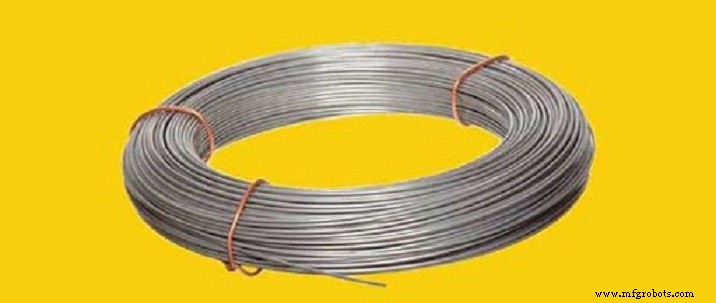
Classification & Uses of Tantalum Wire
The Classification of Tantalum Wire
Tantalum wire is segmented by purity, performance characteristics, application, and mechanical state.
1. By Purity – Three tiers exist: metallurgical (99.0 % Ta), high‑purity (99.0–99.9 % Ta), and ultra‑high‑purity (99.9–99.99 % Ta).
2. By Performance – Four categories are recognized: chemically corrosion‑resistant, high‑temperature high‑strength, oxygen‑resistant brittle, and capacitor‑grade wire.
3. By Application (Capacitor Wire) – Three sub‑categories: solid tantalum electrolytic capacitor leads, liquid tantalum electrolytic capacitor leads, and reliability‑indicated capacitors.
4. By Mechanical State (Capacitor Wire) – Soft state (tensile strength 300–600 MPa), semi‑hard state (600–1,000 MPa), and hard state (>1,000 MPa).
The Uses of Tantalum Wire
1. Electronics – Tantalum wire is predominantly used as the anode lead in tantalum electrolytic capacitors, accounting for roughly 65 % of global tantalum consumption. These capacitors are renowned for their stability, high energy density, and reliability.
2. Medical Applications – The material’s biocompatibility allows it to serve in muscle tissue compensation and as a suture for nerves and tendons.
3. High‑Temperature Furnaces – Tantalum wire’s resilience at elevated temperatures makes it ideal for heating elements in vacuum furnaces.
4. Capacitor Foils – High‑anti‑oxidation brittle tantalum wire is used to fabricate tantalum foil capacitors capable of operating in potassium dichromate environments at 100 °C and with flash voltages up to 350 V.
5. Advanced Electron Sources – It is also employed as a vacuum electron cathode emission source, in ion sputtering systems, and as a spray‑coating material.
Conclusion
We hope this overview clarifies the classification and applications of tantalum wire. For deeper insights into tantalum and other refractory metals, visit Advanced Refractory Metals (ARM), a leader in refractory metal manufacturing headquartered in Lake Forest, California. ARM’s products are known for superior quality and competitive pricing.
Metal
- Tungsten Alloy Wafers: Applications, Benefits, and Industrial Uses
- Molybdenum Plates: Key Applications & Benefits
- Molybdenum Wire: Types, Properties, and Industrial Applications
- Tungsten Wire History: From Edison’s Carbon Filaments to Modern AKS Alloys
- Titanium Wire: Applications, Types, and Industry Uses
- 6 Key Applications of Titanium in Modern Industry
- Top Applications of Tungsten Wire in Modern Industry
- Industrial Applications of Tantalum and Its Alloys
- Barbed Wire Explained: History, Construction, and Modern Uses
- Pure Tantalum (Ta): High Corrosion Resistance & Superior Chemical Stability