



What Are Refractory Metals? An Expert Overview of Their Properties and Applications
What Are Refractory Metals? An Expert Overview of Their Properties and Applications
Refractory metals stand out for their exceptional resistance to extreme heat, corrosion, and wear. These attributes make them indispensable across diverse high‑performance industries.
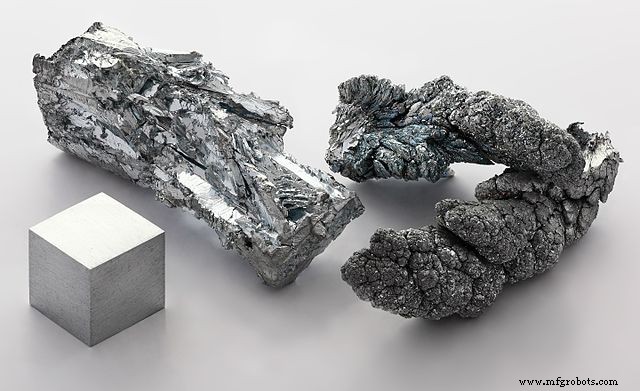
Key Characteristics
All refractory metals share a remarkably high melting point. For example, tungsten melts at 3,410 °C (6,170 °F)—more than double the temperature at which iron melts and ten times that of lead. Their body‑centered cubic crystal structure (except for rhenium) contributes to their strength and durability.
Widely Used Refractory Metals
While the group includes twelve elements, five dominate industrial usage:
- Tungsten (W) – prized for its extreme heat resistance and density.
- Molybdenum (Mo) – valued for high‑temperature strength and corrosion resistance.
- Niobium (Nb) – used in superalloys and magnetic applications.
- Tantalum (Ta) – essential in electronics, capacitors, and high‑temperature alloys.
- Rhenium (Re) – critical in jet engine components and catalytic converters.
Industrial Applications
From the automotive sector to aerospace and energy extraction, refractory metals are everywhere. For instance:
- Automotive components: engine blocks, exhaust systems, and catalytic converters rely on these metals for heat tolerance.
- Oil and gas: refractory metal alloys line drilling equipment and process piping, enhancing durability under extreme pressure and temperature.
- Electronics: the excellent electrical and thermal conductivity of tungsten and tantalum is harnessed in high‑frequency circuits and power electronics.
- Lubricants: certain refractory metal compounds are added to fuels to improve lubricity and reduce wear.
Despite their broad utility, many professionals underestimate the complexity of sourcing, processing, and tailoring these metals for specific needs.
Conclusion
Refractory metals, with their unique blend of high melting points, density, and corrosion resistance, offer engineers a versatile toolkit for solving some of today’s toughest challenges. Understanding each metal’s distinct properties unlocks innovative solutions across industries.
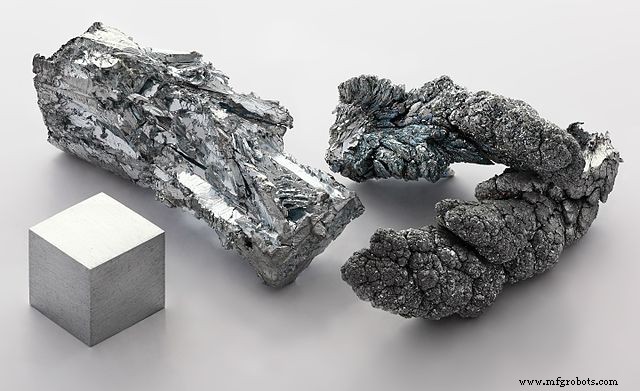
refractory metals
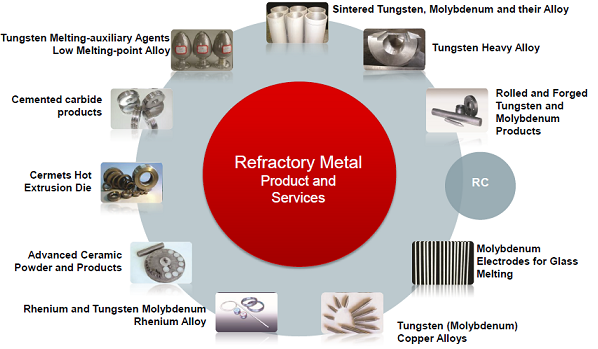
refractory metals
Metal
- Refractory Metals & Alloys: Essential High‑Temperature Materials for Aerospace
- Refractory Metals: Key Properties and Industrial Applications
- Common Refractory Metals in Vacuum Systems
- Applications of Zirconium‑Containing Refractories: Performance, Use Cases, and Benefits
- Key Properties of Refractory Metals – What You Need to Know
- What Are Non-Ferrous Metals? – A Comprehensive Overview
- Top Strongest Metals and High-Strength Alloys for Industrial Applications
- Alkali Metals: Understanding Group 1 Elements of the Periodic Table
- Understanding Non-Ferrous Metals: A Comprehensive Guide
- Understanding Rust: Which Metals Corrode and How It Happens