



What Are Non-Ferrous Metals? – A Comprehensive Overview
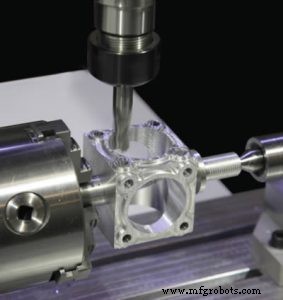
Non‑ferrous metals, whether pure elements or alloys, are the backbone of countless everyday products and industrial processes. Though the term may sound technical, you’ve likely encountered these materials in everyday life—from the aluminum frame of a laptop to the copper wiring inside a home.
Understanding Non‑Ferrous Metals
By definition, non‑ferrous metals contain no iron. This distinguishes them from ferrous metals, which are iron‑based. The word “ferrous” comes from the Latin ferrum, meaning iron, so non‑ferrous materials are literally iron‑free.
Key Types of Non‑Ferrous Metals
Aluminum is the most abundant metal in the Earth’s crust, accounting for roughly 8 % of its mass. Its light weight, excellent corrosion resistance, and high conductivity make it indispensable in aerospace, automotive, and packaging industries.
Copper follows closely, with a concentration of about 67 parts per million (ppm) in the crust, according to the U.S. Geological Survey. Its unmatched electrical and thermal conductivity underpins everything from power grids to electronic circuits.
Other common non‑ferrous metals include lead, tin, and zinc. These metals and their alloys—such as brass (copper‑zinc) and bronze (copper‑tin)—are prized for their workability and corrosion resistance.
Why Non‑Ferrous Metals Matter
- No Rust – Without iron, these metals do not oxidize into rust, enhancing durability in harsh environments.
- Superior Conductivity – Both electrical and thermal conductivity are high, making them ideal for wiring, heat exchangers, and electronic components.
- Strength and Workability – Many non‑ferrous metals exhibit high tensile strength while remaining easy to machine, bend, and weld.
These properties combine to make non‑ferrous metals a cornerstone of modern technology, infrastructure, and everyday products.
Industrial equipment
- What Are Refractory Metals? An Expert Overview of Their Properties and Applications
- What Are Bi‑Fold Hinges? Features, Benefits, and Applications
- Deck Screws Explained: Types, Benefits, and How They Compare to Wood Screws
- What Are Split Washers? A Deep Dive Into Vibrational Locking Fasteners
- Why Non‑Ferrous Metals Matter: Key Advantages for Industry
- Set Screws Explained: Design, Differences, and Applications
- Spring‑Energized Seals: Design, Function, and Industrial Benefits
- Vulcanized Seals: Definition, Production, and Industrial Advantages
- Pull Handles Explained: Types, Features, and Applications
- Understanding Non-Ferrous Metals: A Comprehensive Guide