



Choosing the Right Hydraulic Clamp: A Practical Guide
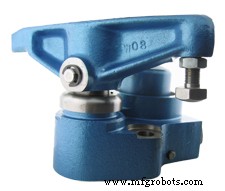
When precision and reliability are paramount, hydraulic clamps deliver unmatched clamping force thanks to their pressurized oil system. Selecting the proper clamp can significantly impact safety, efficiency, and project quality. This guide distills the key factors—operating mode, clamping force, size, and adjustment mechanisms—to help you make an informed purchase.
Single‑Acting vs. Double‑Acting Clamps
Hydraulic clamps typically come in two operating configurations. Double‑acting clamps use oil on both sides of the piston, enabling controlled engagement and release, making them ideal for heavy‑load, safety‑critical applications. Single‑acting clamps rely on oil only on one side, offering a simpler, more economical design that is sufficient for lighter tasks but may lack the fine‑tuned control required in high‑precision work.
Clamping Force: Understanding the Numbers
Clamping force is the core metric that defines a clamp’s capability. It is expressed in pounds (lbs) or newtons (N). Standard industrial hydraulic clamps typically range from 3,000 to 4,000 lbs, while high‑performance models can exceed 5,000 lbs. Match the force rating to the material thickness, load requirements, and safety factors of your project to avoid over‑ or under‑clamping.
Choosing the Right Size
Size compatibility is critical. Measure the internal diameter of the workpiece and compare it to the clamp’s inner opening. A clamp that is too small may slip, while one that is too large may not apply sufficient pressure. Always select a clamp that accommodates the largest expected size with a small safety margin.
Adjustment Mechanisms for Precision Control
Most hydraulic clamps feature a rotating arm or wheel that modulates the clamping force. Turning the arm clockwise typically increases pressure, whereas counter‑clockwise rotation releases it. Some models incorporate a lever or electronic controller for even finer adjustments. Familiarize yourself with the specific adjustment method to ensure consistent, repeatable clamping.
By evaluating these factors—operating mode, force rating, size, and adjustment method—you can choose a hydraulic clamp that delivers the reliability and performance your work demands.
Industrial equipment
- How to Choose the Right Instrument Knobs for Your Equipment
- Expert Guide to Selecting Durable Marine Lighting
- Choosing Magnetic Hooks: Expert Tips for Homes and Businesses
- Choosing the Right Toggle Clamp: A Practical Guide
- How to Choose the Right Strap Hinge for Your Project
- Four Key Applications of Hydraulic Clamps in Heavy Machinery Production
- Boost Production Efficiency with Hydraulic Clamps: Accuracy, Speed, and Consistency
- How to Select the Optimal Conveyor Structure for Your Industry
- Choosing the Right Hydraulic Pump: Key Factors & Expert Tips
- Choosing the Right Hydraulic Motor: Key Factors and Practical Tips