



How to Increase Hydraulic Pump Pressure Safely and Effectively
Your hydraulic pump may need pressure adjustment from time to time, and there are a few ways you can do this. By following the tips in this article, you’ll be able to get your pump up to the required pressure quickly and easily.
1. Check the valve clearance
If your pump is not pumping at its maximum potential, it may be due to a lack of clearances in the valves. You can check this by using a gauging tool to measure the distance between the valve stem and the top of the piston. If this is within specification, then you will need to adjust the clearance on your pump.
2. Check for blockages
If your pump is not pumping because of blockages, you will need to use a plunger or vacuum cleaner to clear them. If these methods do not work, you will need to take your pump into a qualified technician for further inspection and adjustment.
How does a hydraulic pump work?
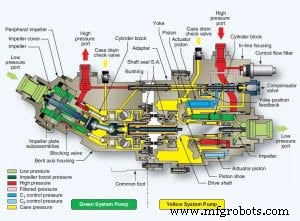
A hydraulic pump is a machine that uses the power of pressurized fluid to move objects or liquids. The pressurized fluid is supplied by a gas or oil tank and is used to power the pump’s pistons. The pistons push the fluid through the machine, which in turn moves the object or liquid.
The hydraulic pump’s components include a piston, a cylinder, and a nozzle. The piston is located inside the cylinder and is surrounded by a seal. The piston is able to move due to the pressure of the fluid that surrounds it. The cylinder has a nozzle at one end and is connected to the gas or oil tank. The nozzle is used to supply the pressurized fluid to the pump.
The hydraulic pump’s main purpose is to move objects or liquids. It can be used to power machines, such as cars and trucks, or to power tools, such as construction equipment.
how to turn up pressure on hydraulic pump
How to turn up pressure on a hydraulic pump
There are a few ways to increase the pressure on a hydraulic pump. The most common way is to add more fluid to the system. Another way is to increase the motor speed.
The final way to increase pressure is to use a higher power motor. Higher power motors can generate more pressure than lower power motors. However, using a higher power motor also increases the risk of damaging the pump.
Difference between hydraulic and mechanical pumps
There are many different types of pumps, but the main difference between hydraulic and mechanical pumps is that a hydraulic pump uses pressurized fluid to move the object or material it’s working on. A mechanical pump works with moving parts that interact with each other to create a force.
The main advantage of hydraulic pumps is that they can be more efficient when it comes to moving large amounts of material quickly. They’re also easier to operate, which makes them preferable in some cases where precision is important. Mechanical pumps can be more powerful when it comes to lifting heavier objects, but they can also be less accurate and may require more maintenance.
How to Determine the Amount of Pressure Needed
When a hydraulic pump is used in an application, it is often necessary to know the amount of pressure that needs to be applied for the desired result. Pressure can be determined by multiplying the required flow rate by the appropriate pressure rating.
For example, if a hydraulic pump requires a flow rate of 1,000 gallons per minute and the pressure rating is 10,000 psi, then 10,000 psi would need to be applied to the pump in order to achieve the desired result.
Why do you need to turn up hydraulic pressure?
When a hydraulic pump is used to move a fluid, it needs to be pressurized in order to function. This is done by turning up the pressure on the pump. There are a few reasons why you might need to increase the pressure on your hydraulic system.
One reason is if the system is damaged and needs to be repaired. If the pressure is not increased, the fluid could escape from the system and cause damage. Another reason is if you want to increase the speed of the pump. If the pressure is too low, the pump will not be able to move as much fluid as it could.
How to turn up the pressure on a hydraulic pump?
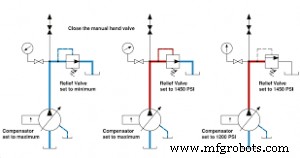
If your hydraulic pump is not performing as it should, there might be a problem with the pressure. By adjusting the pressure, you can help ensure that your equipment is running smoothly. Here are some tips on how to turn up the pressure on a hydraulic pump:
1. Check the oil level. A low oil level can cause the pump to work harder in order to generate enough pressure, which can lead to problems. Add oil as necessary.
2. Make sure the fluid level is correct. Hydraulic fluid levels can also affect pump performance, so be sure to check them regularly.
3. Adjusting the flow rate. You can also adjust the flow rate by using a valve or an adjustable nozzle on the Pump Head Assembly (PHA). This will change how much fluid is dispensed per minute and will affect how hard the pump works. Be careful not to over-adjust, as this could lead to damage or even loss of function of the pump.
4. Check for debris or clogs in the system. If there are any objects blocking the flow of fluid, they can dramatically increase the pressure required to move them and may cause damage to the pump or motor assembly. Clean out any obstructionsand try again.
how to turn up pressure on hydraulic pump
Conclusion
If you are having trouble turning up the pressure on your hydraulic pump, there may be one or more of the following issues:
-The pump is not getting enough fuel. This can be caused by a low oil level or clogged filters. Add more oil and check for clogs.
-The pump is not receiving power from the engine. Check to make sure that the battery is fully charged and that all cables are connected properly. Verify that the engine is running correctly by checking for proper emissions and RPMs (revolutions per minute). If everything looks okay, then it’s possible that the electrical system in your equipment has failed. Have a qualified technician check it out.
-The belt needs to be replaced on the machine. This can often be fixed without any additional work other than removing the cover and finding and replacing the belt as needed.
-The pump is not getting the pressure it needs. This can be caused by a low supply of pressure or by obstruction in the system. Add more fluid, increase the motor speed, or use a higher power motor.
how to prime hydraulic gear pump, please clickhttps://topkitparts.com/ to learn more
Industrial equipment
- How to Prime a Hydraulic Gear Pump for Optimal Performance
- Step‑by‑Step Guide to Bleeding a Hydraulic Pump
- Boosting Hydraulic Pump Pressure: Proven Techniques & Tips
- Choosing the Right Hydraulic Pump: Key Factors & Expert Tips
- How to Effectively Test a Hydraulic Pump for Optimal Performance
- Understanding Hydraulic Gear Pumps: Function, Applications, and Operation
- How to Identify a Faulty Hydraulic Pump: Key Signs and Quick Fixes
- Calculating Hydraulic Pump Flow: A Practical Guide to Optimizing Performance
- How to Verify Hydraulic Pump Pressure for Optimal Performance
- Step-by-Step Guide to Cleaning a Hydraulic Pump for Optimal Performance