



Boosting Hydraulic Pump Pressure: Proven Techniques & Tips
When an electric motor is used to turn a hydraulic pump, the pressure inside the cylinders is increased and reduced as needed to drive the pump. The operating principle of a hydraulic pump is based on two principles: displacement and pressure. Displacement refers to how much fluid is moved by the pump. Pressure is what pushes against the fluid and determines how fast it moves.
A hydraulic pump contains four basic parts: pistons, valves, chambers, and motors. The pistons are connected to the valves, which open and close according to the instructions from the motors. The pistons move up and down, moving the fluid inside the chambers. This process creates pressure that can be used to drive other devices or machines.
What is a hydraulic pump?
A hydraulic pump is a device that uses the power of hydraulics to move objects. The most common use for a hydraulic pump is in industrial applications, such as in mining, construction, and manufacturing.
A hydraulic pump consists of two main parts: the motor and the reservoir. The motor is typically a small, lightweight machine that uses electricity to turn a shaft or gears. This rotating motion causes the fluid in the reservoir to flow through the pump. The pressure of the fluid can be changed by controlling the amount of fluid flowing through the pump.
How does a hydraulic pump work?
A hydraulic pump is a mechanical device that uses the pressurized fluid to move objects. The fluid is drawn from a reservoir and forced through a series of pistons, causing the object to be moved. The pressure of the fluid can be increased by increasing the size of the reservoir or by increasing the amount of pressure applied to the pistons.
A hydraulic pump is often used to move objects such as water, oil, or gas. It is also used in aircraft to move the engines and in factories to move large objects.
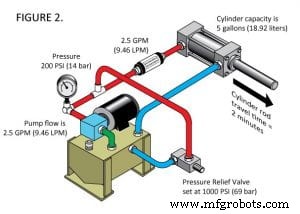
How do I increase the pressure on my hydraulic pump
How does the pressure inside a hydraulic pump work?
When you depress the plunger on a hydraulic pump, the pressure inside the cylinder increases. This pressure is used to push liquid or gas through a pipe, valve, or other device.
The pressure inside a hydraulic pump is created by the high pressure of the hydraulic fluid and the low pressure of the atmospheric air. The high pressure of the hydraulic fluid forces the atmospheric air out of the way, while the low pressure of the atmospheric air pushes the liquid or gas through the pump.
Causes and Solutions for Low Pressure on a Hydraulic Pump
In this blog article, we will discuss the causes and solutions for low pressure on a hydraulic pump. Low pressure can occur for many reasons and can be caused by a variety of factors. In some cases, low pressure can be due to a problem with the hydraulic system itself, while in other cases low pressure may be the result of improper operating procedures or inadequate circulation.
Here are some common causes and solutions for low pressure on a hydraulic pump:
Causes of Low Pressure on Hydraulic Pump:
1. Defective Hose or Line: A hose or line that is defective can cause low pressure on a hydraulic pump. If the line is kinked or has cuts in it, the air pressure inside the line will be too high and will cause the hydraulic fluid to escape from the pump. In order to fix this issue, you will need to replace the defective hose or line.
2. Ruptured Reservoir: A Reservoir that has been ruptured can also cause low pressure on a hydraulic pump. If the Reservoir is leaking, the air pressure inside it will be too high and will cause the hydraulic fluid to escape from the pump. To fix this
Why do I need to increase the pressure on my hydraulic pump?
There are a few reasons why you might need to increase the pressure on your hydraulic pump. In most cases, increasing the pressure will help ensure that the pump is able to move fluid more efficiently. Additionally, increased pressure can help protect the pump from damage.
How to increase the pressure on a hydraulic pump
If you have a hydraulic pump that is not putting out the pressure you need it to, there are several things you can do to increase the pressure. One of the most common issues with hydraulic pumps is that they are not getting enough air flow. By opening up the air flow to your pump, you can help it to work at its fullest potential. Here are some tips on how to increase the pressure on your hydraulic pump:
1. Check for blockages: One of the first things you should do if you are having trouble getting your pump to produce the pressure you need is to check for blockages. This can include checking your lines and valves, as well as looking for any debris that may be blocking the pump. If all of these checks come back negative, then you may need to replace your pump.
2. Open up the airflow: Another common issue with hydraulic pumps is that they aren’t getting enough air flow. By opening up the airflow to your pump, you can help it to work at its fullest potential. This can be done by changing the size of your nozzles or by adding a fan to your system.
3. Upgrade your system: If all of these
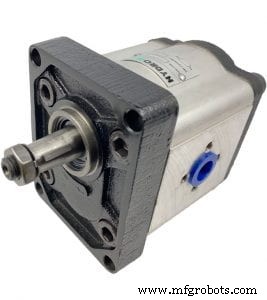
How do I increase the pressure on my hydraulic pump
Common mistakes when increasing pressure on a hydraulic pump
When increasing the pressure on a hydraulic pump, there are some common mistakes that should be avoided. Here are four of the most common:
1. Not checking the oil level regularly. A high oil level can cause the pump to work harder and wear out faster.
2. Not maintaining proper clearances between components. Improper clearances can cause the pump to cavitate and eventually fail.
3. Not properly isolating the pump from sources of noise or vibration. These sources of noise and vibration can damage the pump and/or interfere with its operation.
4. Not regularly cleaning the impeller blades and other components. Poorly cleaned parts can result in build-up of dirt, dust, and other debris, which can damage the pump or reduce its efficiency.
Conclusion
If you are experiencing difficulty increasing the pressure on your hydraulic pump, there are a few things you can do to increase the pressure. First, make sure that all of the components of your hydraulic system are working properly. Second, check for any obstructions in the system. Finally, measure and adjust the operating parameters of your pump as needed to achieve the desired pressure.
How do I increase the pressure on my hydraulic pump, please click topkitparts see more
Industrial equipment
- How to Increase Hydraulic Pump Pressure Safely and Effectively
- How to Prime a Hydraulic Gear Pump for Optimal Performance
- Step‑by‑Step Guide to Bleeding a Hydraulic Pump
- Locating and Replacing the Hydraulic Pump on Your Tractor
- Choosing the Right Hydraulic Pump: Key Factors & Expert Tips
- Adjusting Hydraulic Cylinder Pressure: A Step‑by‑Step Guide
- Calculating Hydraulic Pump Compressor Capacity (CC): A Step‑by‑Step Guide
- Calculating Hydraulic Pump Flow: A Practical Guide to Optimizing Performance
- Boost Your Pump Capacity: Proven Tips to Handle More Water
- How to Verify Hydraulic Pump Pressure for Optimal Performance