



Common Causes of Pressure Loss in Hydraulic Pumps and Quick Fixes
Hydraulic pumps are used in a variety of applications, including manufacturing, transportation, and water distribution. When they work properly, hydraulic pumps can move a lot of fluid with little energy expenditure. However, there are times when a hydraulic pump can lose pressure.
What Causes a Hydraulic Pump to Lose Pressure?
If a hydraulic pump loses pressure, it could be due to a number of different reasons. Understanding what causes a hydraulic pump to lose pressure can help you troubleshoot and fix the issue.
One common cause of hydraulic pump loss of pressure is a clogged or worn out pump filter. Over time, debris and sediment can build up in the filter, causing it to stop working properly. When this happens, the pump can no longer create enough pressure to move the fluid through the system.
Another potential cause of a hydraulic pump losing pressure is a broken or malfunctioning pipeline or hoses. A broken pipe can cause pressurized fluid to leak out, while a malfunctioning hose could cause the system to overheat. Both of these issues can lead to a loss of pressure in the system.
If you notice that your hydraulic pump is losing pressure, it’s important to take measures to try and fix the issue. In some cases, replacing the filter or repairing the pipeline or hose may be necessary. By knowing what causes a hydraulic pump to lose pressure, you can prevent any future problems from occurring and keep your machine running smoothly.
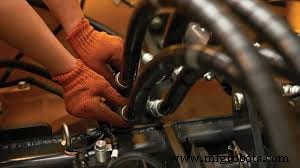
Why would a hydraulic pump lose pressure
How can a Hydraulic Pump be Repaired or Maintained?
One of the most common problems with hydraulic systems is a loss of pressure. This can usually be attributed to one of two problems: a loss in the hydraulic system due to wear and tear, or an inability of the pump to generate enough pressure to operate. In either case, there are a few things that can be done to address the issue and get the system back up and running.
If the problem is due to wear and tear, then the first step is usually a preventative maintenance schedule that will help keep the system in good condition. This might involve regular inspections for tears in hoses or pipes, regular lubeing of moving parts, and replacement of worn or damaged components as needed. If the system does eventually fail, then replacing worn components will hopefully restore it to operational status.
If the problem is due to a lack of pressure, then the first step is usually diagnosing the issue. This can often involve checking reservoir levels, measuring flow rates, and inspecting pump seals for signs of damage or leakage. Once an issue has been identified, it may be necessary to replace parts or entire pumps in order to restore pressure.
How to Check if a Hydraulic Pump is Lossing Pressure
If your hydraulic pump is losing pressure, it’s likely due to one of two things: a leak in the system, or a problem with the pump itself. To check for leaks, you’ll need to take apart the system and look for any signs of damage. If the pump itself is causing the loss of pressure, you can try replacing it.
To test the pressure of a hydraulic pump, you can use a gauge. If the pump is losing pressure, the gauge will read lower than the manufacturer’s specifications.
If you’re unable to determine the source of the loss of pressure, you may need to call a professional.
How to Fix a Hydraulic Pump That Is Losing Pressure
If your hydraulic pump is losing pressure, there are a few things that you can do to fix the problem. The first thing to check is the fluid level in the pump. Make sure that the fluid level is above the fill line on the pump. If the fluid level is below the fill line, then you will need to add more fluid to the pump. Next, make sure that there isn’t any debris or sediment clogging up the pump. This can cause the pump to lose pressure. Finally, make sure that the pump is running properly. If the pump isn’t running properly, then it will likely lose pressure.
When the pressure in the system falls below a certain threshold, the pump can start to lose pressure and exhibit other signs of failure.
One of the most common reasons hydraulic pumps lose pressure is when the system’s flow drops below a certain threshold. This can be caused by a number of factors, including loss of pressure in the hydraulic system, blockages, and low oil levels. As the pump starts to lose pressure, it can start to exhibit other signs of failure, such as decreased efficiency, increased noise levels, and reduced operation time.
If you notice any of these signs of failure, it’s important to take action and address the issue as soon as possible. This can include checking the system for blockages, adding oil to the pump, or replacing the pump outright. By taking these simple steps, you can help ensure that your hydraulic system continues to operate at peak performance.
There are a few potential causes of pressure loss in a hydraulic system, and identifying and resolving them is essential for keeping the system running smoothly.
One common issue is a leak in the system. Leaks can manifest themselves in a variety of ways, such as low pressure readings on gauges or decreased system performance. To identify and fix leaks, it’s important to have accurate pressure readings on all components of the hydraulic system.
If the system is unable to generate enough pressure to meet demands, there may be a problem with the pump. Pumps are typically designed to operate at a specific range of pressures, so if the pressure falls outside of this range, the pump will start to lose efficiency and eventually fail.
To prevent pressure loss from occurring in the first place, it’s important to maintain an accurate balance between system demand and available capacity. This can be done by regularly checking pressure readings, replacing worn or faulty components, and adjusting operating parameters as needed.
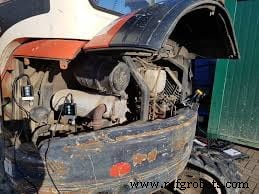
Why would a hydraulic pump lose pressure
Conclusion
A hydraulic pump can lose pressure for a variety of reasons, the most common of which is wear and tear. Other causes include blockages in the system or damage to the pump itself. If you notice that your hydraulic pump has started losing pressure, it is important to take action as soon as possible in order to prevent serious consequences.
Why would a hydraulic pump lose pressure please click topkitparts see more
Industrial equipment
- How to Increase Hydraulic Pump Pressure Safely and Effectively
- Preventing Hydraulic Pump Overheating: Causes & Solutions
- Common Causes of Hydraulic Pump Pressure Loss and How to Fix Them
- Boosting Hydraulic Pump Pressure: Proven Techniques & Tips
- Why Does a Hydraulic Pump Lose Pressure? Common Causes & Solutions
- Common Causes of Pressure Loss in Hydraulic Pumps
- Diagnosing & Fixing Noisy Hydraulic Pumps: Common Causes & Solutions
- Troubleshooting Low Pressure in Your Pump: Common Causes & Fixes
- Why a Linde PV Hydraulic Pump is the Best Choice for High‑Pressure Applications
- Diagnosing Common Causes of Hydraulic Pump Failure