



Troubleshooting Low Pressure in Your Pump: Common Causes & Fixes
With the warm weather coming, many homeowners are likely taking advantage of the opportunity to get their lawnmowers and other equipment out of storage. However, if you’ve been waiting for your pressure washer to arrive, you might be waiting a little longer than you expected. Here are five reasons why your pump may not be building up pressure:
1) The high-pressure hose is kinked or twisted
2) There is debris blocking the spray nozzle
3) The pump is not getting enough gas from the gas tank
4) The fuel pump isn’t working correctly
5) There may be a blockage in the system
What is a PUMP?
A pump is a device that uses energy to move fluid. It is used in cars, homes, and factories. Pumps are usually made of metal, rubber, or plastic.
Pumps are used to move water, oil, gas, and other fluids. They work by using a moving fluid (usually water) to push a stationary object (usually a tube or pipe) through the ground or through a container.
How to identify a problem with your pump
If you have a pool pump and it is not building up pressure, there may be a problem with the pump. To diagnose the problem, start by checking to see if the pump is turning on and off. If it is not turning on or off, then the pump motor may be broken. If the motor is not broken, then check to see if the pump is getting power from the wall outlet. If the power is coming in, then the next step would be to check to see if there is water flowing through the pump hose. If there is no water flowing through the hose, then the most likely problem is with the pump itself.
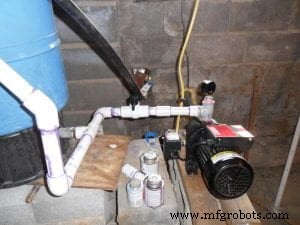
Why is my pump not building up pressure
What are the symptoms of a malfunctioning pump?
If you are noticing any of the following symptoms, it may be time to have your pump checked:
-Your pump is not building up pressure
-There is a lot of noise coming from your pump
-Your pump does not seem to be working as well as it used to
How do I know if my pump is working?
If you have a manual pump, the first step is to switch it on and off several times to make sure it’s working. If it is a gravity-fed system, check that the water line is connected to the pump and that the pump is turned on. If your pump is electric, check the power cord and plug. If you have a pond or a fountain with an automatic water feature, there are devices that you can use to test the pressure without having to turn on the pump. Simply fill a glass with water and place it next to the nozzle of the device. If the water level in the glass rises then the pump has started working.
Understanding the Causes of Low Pressure
If your equipment is not building up pressure, there could be a few different reasons why. You may not have the correct psi (pounds per square inch) gauge or pressure rating on your equipment. You may need to increase the liquid volume in the tank or chamber. You may need to replace a part. Or there could be an obstruction in the system preventing the equipment from getting enough air to operate correctly. To troubleshoot the problem, start by checking all of the basic components and their connections: pump, hose, tubing, valve, and gauge. If everything seems to be in working order, then next check for obstructions: check for kinks or twists in the tubing, blockages in valves or hoses, and debris caught in pumps.If you still can’t get your equipment up to operating pressures, it may be time for a new pump.
How to Increase Pump Output
If your pump is not building up pressure, there are a few potential causes. Here are some tips to troubleshoot and fix the issue:
-Make sure you’re using the correct water pressure setting on your pump. Most pumps come with a range of pressures you can use, so be sure to find the one that matches your source’s water pressure.
-Check to make sure your plumbing is tight and properly sealed. A loose connection between your pump and plumbing can cause it to lose pressure over time, which will decrease its ability to build up pressure.
-Clean or replace your pump’s filter if it seems clogged. Sediment and other debris can build up over time, blocking the pump’s filter and causing it to lose pressure.
Tips for Restoring Low Pressure
There are a few things you can do to try and restore low pressure in your home’s plumbing system. Some simple tips include flushing the system with water, turning off all sources of water that aren’t necessary, and tightening any loose connections. If those methods don’t work, you may need to call a professional to take a look at your plumbing system.
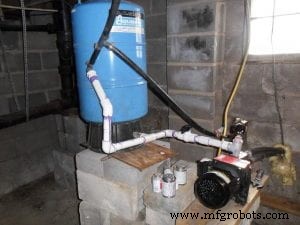
Why is my pump not building up pressure
Things you can do to prevent a problem
In order to prevent a problem with your pump, there are a few things you can do. Here are some tips:
-Check to see if the pump is getting enough air. Make sure that the hose is securely connected to the pump and that the filter is clean. If you have a submersible pump, make sure the water level is low enough so that the pump can reach the water surface.
-Clean and inspect the pump seals. If they are dirty or broken, this can cause water to leak and decrease pumping capacity.
-Replace worn or damaged parts, such as seals and impellers.
-Check for blockages in lines or hoses.
Conclusion
If you are experiencing difficulty with your pump not building up pressure, there are a few things that you can do to troubleshoot the issue. First, make sure that your tubing is fully seated in the pump and that it is securely fastened. Second, make sure you are using the correct gauge of tubing for your pump. Third, if you experience difficulty in breathing while pumping or if you notice an increase in pain or swelling during pumping, it may be time to seek medical attention.
Why is my pump not building up pressure, please clickhttps://topkitparts.com/ to learn more
Industrial equipment
- Why Won’t My 3D Pen Work? Quick Troubleshooting Tips
- Understanding Discharge Pressure: Key to Pump Performance
- How to Increase Hydraulic Pump Pressure Safely and Effectively
- Common Causes of Pressure Loss in Hydraulic Pumps and Quick Fixes
- Preventing Hydraulic Pump Overheating: Causes & Solutions
- Common Causes of Hydraulic Pump Pressure Loss and How to Fix Them
- Diagnosing & Fixing Noisy Hydraulic Pumps: Common Causes & Solutions
- Why a Linde PV Hydraulic Pump is the Best Choice for High‑Pressure Applications
- Diagnosing Common Causes of Hydraulic Pump Failure
- Why Your Pump Fails to Build Pressure: Causes and Fixes