



Top 2 Causes of Pump Failure & How to Prevent Them
Pump failures can be frustrating and costly, so it’s important to understand the two most common reasons for pump failure. In this article, we’ll discuss how both of these issues can occur and what you can do to prevent them.
Pump failure caused by debris in the pump
One of the most common reasons for pump failure is debris getting stuck in the pump’s impellers. This can cause the pump to overheat and eventually fail. To prevent this type of failure, make sure to regularly check the impeller blades for any accumulation of debris.
Pump failure caused by a lack of oil or water
Another common cause of pump failure is a lack of oil or water. If the pump isn’t receiving these essential fluids, it will eventually stop working. To prevent this type of issue, make sure to keep your pumps well-hydrated and always have oil ready in case of a power outage.
Causes of Pump Failure
Two common reasons for pump failure are dirty or clogged filters and worn bearings.
Pump failures can also be caused by overloading the pump, a foreign object lodged in the pump motor or worn bearings.
To avoid pump failures, it is important to keep the filters clean and the bearings in good condition.
Pump Maintenance
To keep your pump running smoothly and efficiently, it is important to maintain it according to the manufacturer’s instructions.
Some common maintenance tasks include checking filter condition, lubricating bearings and gears, and replacing parts as needed.
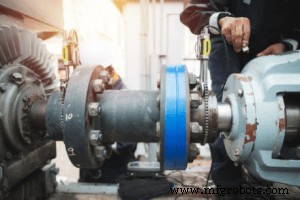
What are two common reasons for pump failure
Why do pumps fail?
The two most common reasons pumps fail are due to wear and tear, and contaminated oil.
Wear and tear is caused by the continuous use of a pump over an extended period of time. This can cause the bearings to grind against each other, which can eventually lead to failure.
Contaminated oil can be caused by a number of things, including incorrect maintenance, improper installation, or damage in the shipping process. If oil is contaminated it can cause the bearings to seize up, which will ultimately lead to pump failure.
How to Fix a Pump Failure
Two common reasons for pump failure are clogging and wear. Clogging can be caused by debris, oils, or gas bubbles that get lodged in the pump’s filters or impellers. Over time, this can cause the pump to stop working altogether. Worn out pumps can also fail due to damage to their components or from excessive use. In either case, there are a few things you can do to try andfix the problem.
If the pump is clogged, you’ll need to remove the debris using a vacuum cleaner or a special tool designed for this purpose. If the pump is worn out, you’ll likely need to replace it.
To replace a pump, first turn off the power to the area and disconnect the electrical cables. Next, remove the cover plate on the pump body. Next, remove the impellers and filters. Finally, replace the impellers, filters, and cover plate.
Tips for Preventing Pump Failures
Two common reasons for pump failure are clogging and wear. Here are some tips to help prevent these problems:
1. Make sure your pumps are properly maintained and inspected. Clogged pumps can often be fixed with a simple cleaning, while worn out pumps may need to be replaced.
2. Minimize the amount of debris that collects on the pump blades. This can block the pump’s impellers, leading to clogging and wear. Clean your pumps regularly to avoid this problem.
3. Use proper water filter cartridges and fittings. A dirty filter can lead to clogging and wear in the pump. Replace your filters regularly to keep your water flowing smoothly.
How to make a pump work better
Two common reasons for pump failure are a blocked filter or clogged impeller. To prevent this from happening, it is important to keep the pump clean and running smoothly.
To clean the pump, first turn it off and disconnect the power cord. Open the housing and remove the filter. Pour a pot of hot water into the pump housing and add a tablespoon of dish soap. Swish the filter around in the hot water for a few minutes. Put the filter back in place and reconnect the power cord.
To keep the impeller clean,weekly check for debris buildup on the hub, blades, or fins. If there is debris, use a small motor brush to dislodge it. If needed, use a syringe to squirt cleaner onto the hub, blades, and fins.
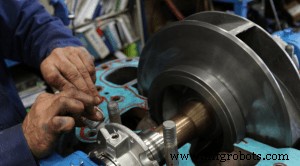
What are two common reasons for pump failure
What should you do if your pump is not working?
If your pump isn’t working, there are a couple of things you can do to troubleshoot the issue. First, try checking the breaker panel to see if the pump is connected to the correct circuit. If it is, check to see if the power is turned on at the breaker box. If not, check to make sure the pump is plugged into an outlet and that the power is turned on at the pump. If all of these steps fail to resolve the issue, you may need to replace the pump.
If the pump is already replaced, you may be able to fix the issue by cleaning the inside of the pump housing. First, remove the pump by unscrewing the bottom and top. Next, use a can of compressed air to blow out any dirt, dust, or debris that may be lodged inside the housing. Finally, dry the housing off and reinstall the pump.
Prevention and Treatment of Pump Failure
Two common reasons for pump failure are external contamination and internal wear. Prevention of pump failure begins with cleanliness and proper maintenance. Properly installed pumps are designed to operate within their limits for a specific period of time, after which they need to be replaced. If the pump is not being used as intended, it will eventually fail. Internal wear is caused by friction, corrosion and other material degradation. This can result in pump failure due to loss of efficiency or leakage. In order to prevent pump failure, it is important to inspect the equipment regularly and replace worn or damaged components.
Conclusion
There are two common reasons for pump failure: poor blood flow and clogged pores. Poor blood flow is usually caused by bad circulation, while clogged pores can be the result of excess sebum, dead skin cells, or bacteria. In either case, getting help from a dermatologist or medical professional is the best way to treat and prevent pump failure.
The two most common reasons pumps fail are due to wear and tear, and contaminated oil. To prevent pump failures, make sure to keep your pumps well-hydrated and always have oil ready in case of a power outage. Additionally, clean your pumps regularly using a vacuum cleaner or special tool designed for this purpose. Finally, use proper water filter cartridges and fittings to keep your water flowing smoothly.
What are two common reasons for pump failure, please click topkitparts see more
Industrial equipment
- Understanding Glides: Enhancing Mobility with Leveling Feet
- How Dowel Pins Keep Your Projects Precise: Uses in Furniture, Shelves, and Machinery
- Top Applications of Alternating Current (AC) in Modern Power Systems
- Top Causes of Hydraulic System Failures and How to Prevent Them
- Exploring the Two Primary Types of Pumps
- Common Causes of Hydraulic System Failure: Insights & Prevention
- Top Causes of Hydraulic Hose Failure – How to Spot and Prevent Breakdowns
- The Two Main Types of Hydraulic Pumps Explained
- HS Code for Hydraulic Pump – Classification & Usage
- Understanding the Symbol for a Hydraulic Pump: Key Identifiers and Usage