



Reversing a Hydraulic Motor: A Step‑by‑Step Guide
Hydraulic motors are used in a variety of applications, from agricultural machinery to car manufacturing. Understanding how they work is key to troubleshooting and repairing them. In this article, we’ll look at how to reverse the direction of a hydraulic motor.
To reverse the direction of a hydraulic motor, you’ll first need to identify the direction of rotation. To do this, you can use a belt or pulley system to measure the rotational speed and compare it to the desired direction.
Once you have the direction of rotation, you’ll need to remove the gear box or other mechanism that controls the motor’s movement. Next, you’ll need to attach a belt or pulley system in the opposite direction of rotation. Finally, you’ll need to connect the motor’s power source to the new belt or pulley system.
What is a hydraulic motor?
A hydraulic motor uses pressurized fluid to turn an engine or other machinery. By reversing the direction of the fluid, you can move the machinery in the opposite direction.
To reverse a hydraulic motor, first make sure that the fluid is flowing in the correct direction. To do this, you’ll need to attach a switch to the motor’s shaft and connect it to a source of power. Once you’ve confirmed that the flow is going in the right direction, disconnect the switch and open up the system’s valve. Now, close the valve and turn on the power, moving the machine in the opposite direction of its original movement.
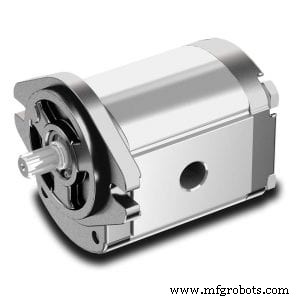
How do you reverse the direction of a hydraulic motor
How does a hydraulic motor work?
A hydraulic motor is an electric motor that uses fluid power to turn a shaft. The fluid power comes from the pressure of the hydraulic fluid that surrounds the rotor. When you want to reverse the direction of a hydraulic motor, you need to first stop the flow of hydraulic fluid from the reservoir. Next, you use a control valve to open the circuit between the reservoir and the pump. This causes the pump to stop working and causes the fluid in the reservoir to start flowing in the opposite direction. Finally, you close the control valve so that the circuit is re-established and the pump starts working again.
What Are the Different Types of Hydraulic Motor?
There are basically three types of hydraulic motors: direct-drive, planetary, and hybrid. Direct-drive motors use a belt or chain to connect the engine to the drive shaft, while planetary motors use a set of planet gears that rotate around a central hub. Hybrid motors use both direct-drive and planetary systems.
To reverse the direction of a hydraulic motor, you’ll need to remove the clutch or brake assembly. On direct-drive motors, this will usually be a pin or bolt that you can unscrew. On planetary motors, you’ll need to remove the gearbox cover and then loosen the bolts that hold the planet gears in place. Once they’re loose, you can rotate the gears in the opposite direction to reverse the motor’s direction.
What is the process for reversing a hydraulic motor?
There is no one definitive answer to this question as the process will vary depending on the type of motor and configuration. However, in general, reversing a hydraulic motor requires disconnecting the power source and then reversing the flow of fluid through the motor. Once the flow has been reversed, it is necessary to reconnect the power supply and ensure that the motor is running in the opposite direction.
Why would someone want to reverse the direction of their hydraulic motor?
There are a few reasons why someone might want to reverse the direction of their hydraulic motor. For example, if the motor is providing power for a vehicle that needs to go in the opposite direction, reversing the motor will help make the vehicle move in the desired direction. Additionally, reversing a hydraulic motor can often fix problems caused by incorrect operation, such as broken seals or worn gears.
How to reverse the direction of a hydraulic motor
In order to reverse the direction of a hydraulic motor, it is necessary to first identify the direction in which the motor is currently moving. Once this has been accomplished, a switch must be activated that will change the motor’s direction.
Methods of reversals for hydraulic motors
There are several ways to reverse the direction of a hydraulic motor, depending on the type of machine and the type of hydraulic fluid used. For most applications, a manual reversal is the easiest and most common method.
Manual Reversals:
manual reversals can be performed by hand if the motor is equipped with a clutch or brake. To perform a manual reversal, first disengage the clutch or brake by turning it off using the switch or button. Next, use your fingers to turn the shaft in the opposite direction until it stops. Turn the shaft back to its original position and re-engage the clutch or brake.
Another method for performing a manual reversal is to remove the gearbox cover and turn the shaft by hand. However, this is only possible if the motor is equipped with a gearbox that can be removed without tools.
Pump-Type Reversals:
Pump-type reversals are usually easier than manual reversals because they do not require any tools. To perform a pump-type reversal, first disconnect the power supply from the machine by removing the plugs or switches. Next, remove any clamps that hold the motor in
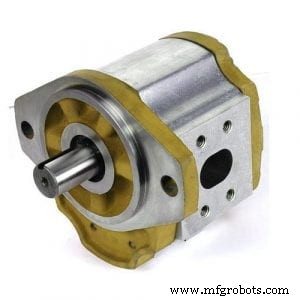
How do you reverse the direction of a hydraulic motor
What are the different things that can reverse the direction of a hydraulic motor?
There are a few ways to reverse the direction of a hydraulic motor. One way is to use the emergency brake. Another way is to use the reversing gear on the motor. There are also devices that can be attached to the motor that can do this.
What would happen if you reversed the direction of your hydraulic motor?
Reversing the direction of a hydraulic motor can be dangerous if not done correctly. The pistons may not have enough force to push the fluid in the opposite direction, and the machine may malfunction.
Conclusion
If you are having trouble reversing the direction of a hydraulic motor, it may be due to one of the following reasons:
1. The clutch is not engaging properly. Try pushing down on the shaft with your hand and see if the gearbox starts to move in that direction. If so, check for any debris or foreign material between the clutch and gearbox which could be preventing proper engagement.
2. The pinion shaft has been bent. This can happen if you try to reverse a hydraulic motor without first disconnecting the power supply (by turning off all power valves at both ends). If this happens, it is important to straighten out the pinion shaft before reconnecting power and trying to reverse again.
How do you reverse the direction of a hydraulic motor, please clickhttps://topkitparts.com/ to learn more
Industrial equipment
- Boosting Hydraulic Motor Torque: Proven Techniques & Tips
- Adjusting Hydraulic Cylinder Pressure: A Step‑by‑Step Guide
- How to Adjust Hydraulic Speed for Peak Performance
- Control Hydraulic Motor Speed with PWM & Remote Control: A Practical Guide
- How to Effectively Test a Hydraulic Pump for Optimal Performance
- Calculating Hydraulic Pump Compressor Capacity (CC): A Step‑by‑Step Guide
- Calculating Hydraulic Pump Flow: A Practical Guide to Optimizing Performance
- Sizing Hydraulic Motors and Pumps: A Practical Guide
- Step-by-Step Guide to Cleaning a Hydraulic Pump for Optimal Performance
- Essential Guide to Maintaining Your Hydraulic Pump: Tips, Troubleshooting & Longevity