



Calculating Hydraulic Pump Compressor Capacity (CC): A Step‑by‑Step Guide
Hydraulic pumps are used in a variety of different industries, and their operation can be extremely complex. In order to calculate the CC (compressor capacity) of a hydraulic pump, you need to know the following factors:
Pump type – Single-stage or two-stage?
Pump size – What size wheel does it drive?
Pump speed – How fast does the pump work?
Pressure rating – What pressure does the pump operate at?
In this article, we will walk you through each of these calculations so that you can understand how they work together and determine your CC.
What is a hydraulic pump?
A hydraulic pump is a device that uses fluid pressure to move objects. The CC of a hydraulic pump is the amount of compression created by the pump.
A hydraulic pump is typically used to move fluids (ie. oil, water, or gas) through a system. The CC can be used to control the speed and rate of fluid movement.
The CC can also be used to power various machines, such as pumps or fans.
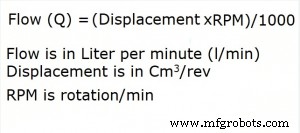
How do you calculate the CC of a hydraulic pump
What is the CC?
The CC of a hydraulic pump is the centrifugal force it produces. It is measured in newtons and is used to calculate the horsepower required to operate the pump.
How does the CC affect the power required to operate a hydraulic pump?
The CC affects the power required to operate a hydraulic pump by affecting the speed at which the fluid is flowing through the pump. The higher the CC, the faster the fluid is flowing and the more power is required to operate the pump.
How do you calculate the CC of a hydraulic pump?
When calculating the CC (constant coefficient of discharge) of a hydraulic pump, you must take into account the following factors: the pump’s bore size, the type of fluid being pumped, and the pump’s operating pressure.
Bore size is important because it affects how much fluid can be discharged per stroke. A smaller bore will discharge more fluid per stroke than a larger bore, but it will also require more power to operate. A pump with a smaller bore can be powered by a smaller motor than a pump with a larger bore, which reduces overall installation costs.
The type of fluid being pumped affects CC because different fluids have different coefficients of viscosity (Cv). Fluids with high Cv values (such as oil) resist flow more than fluids with low Cv values (such as water). This means that a pump with a larger bore will be able to discharge more fluid from a given tank or reservoir than a pump with a smaller bore, but it will also require more power to operate.
Finally, the operating pressure affects CC because it controls how much force is required to operate the pump. Pumps with higher operating pressures can discharge more fluid at once than pumps with
Why does calculating the CC of a hydraulic pump matter?
The CC (clearances) of a hydraulic pump is the measure of the distance between the impeller and the vanes on the pump shaft. The lower the CC, the closer the impeller is to the vanes and less wear will occur on them. This will result in longer life for the pump.
What are contributing factors to the force and how do they affect CC?
When calculating the coefficient of capacitance (CC), it is important to consider the contributing factors to the force. These factors can include: the size and shape of the pump impeller, the type of fluid being pumped, and the angle at which the pump is rotating.
What is the CC Rating of a Hydraulic Pump?
When looking to buy a hydraulic pump, you’ll need to calculate the CC rating. This rating tells you how powerful the pump is and how much pressure it can handle.
To calculate the CC rating of a hydraulic pump, you first need to know its maximum flow rate (MFR). The MFR is measured in liters per minute (L/min). Next, you need to find out the pump’s stroke length. The stroke length is the distance from the bore centerline to the center of the piston. Finally, you use these two numbers to calculate the CC rating.
The CC rating of a hydraulic pump is calculated as follows:
CC Rating = (MFR) x (Stroke Length)
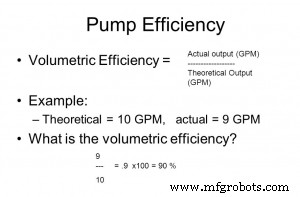
How do you calculate the CC of a hydraulic pump
In what situations would you use more than one CC?
The amount of CCs in a hydraulic pump dictates how much fluid can be moved per stroke. You would use more CCs if the application required a higher pressure or flow rate, or if you needed to move a greater volume of fluid.
In general, you would use more CCs on high-pressure systems and those requiring large volumes. For example, a hydraulic pump used in mining might have eight CCs while those used in agriculture might only have four. Additionally, if you were using multiple pumps to move a fluid, you would need to account for the combined stroke length and CCs of all the pumps.
How Does the CC Rating Affect My Hydraulic Pump?
The CC rating of a hydraulic pump refers to the capacity of the pump in cubic centimeters. This rating is important because it affects the amount of pressure the pump can output. A pump with a higher CC rating can handle more pressure than a pump with a lower CC rating.
The CC rating is also important because it affects the amount of fluid that the pump can move. A pump with a higher CC rating can move more fluid than a pump with a lower CC rating. This is important because it allows the pump to move more water, oil, or gas.
Conclusion
When a pump is used in a hydraulic system, the pressure generated by the pump must be able to match the pressure output of the system. If the CC rating of the pump is lower than the pressure required by the system, then the pump will not be able to generate enough pressure and will not function properly.
In order to calculate the CC of a hydraulic pump, you first need to know its displacement and stroke. Once you have these two numbers, you can use the following equation to calculate the CC:
CC = Stroke x DisplacementThe CC rating of a hydraulic pump is important because it affects the amount of pressure the pump can output. A pump with a higher CC rating can handle more pressure than a pump with a lower CC rating.
Hydraulic pumps are used in a variety of different industries, and their operation can be extremely complex. In order to calculate the CC (compressor capacity) of a hydraulic pump, you need to know the following factors:
Pump type – Single-stage or two-stage?
Pump size – What size wheel does it drive?
Pump speed – How fast does the pump work?
Pressure rating – What pressure does the pump operate at?
In this article, we will walk you through each of these calculations so that you can understand how they work together and determine your CC.
How do you calculate the CC of a hydraulic pump, please clickhttps://topkitparts.com/ to learn more
Industrial equipment
- How to Detect a Faulty Hydraulic Pump: Key Indicators
- Boosting Hydraulic Pump Pressure: Proven Techniques & Tips
- Adjusting Hydraulic Cylinder Pressure: A Step‑by‑Step Guide
- Control Hydraulic Motor Speed with PWM & Remote Control: A Practical Guide
- How to Effectively Test a Hydraulic Pump for Optimal Performance
- Reversing a Hydraulic Motor: A Step‑by‑Step Guide
- Calculating Hydraulic Pump Flow: A Practical Guide to Optimizing Performance
- How to Verify Hydraulic Pump Pressure for Optimal Performance
- Step-by-Step Guide to Cleaning a Hydraulic Pump for Optimal Performance
- Essential Guide to Maintaining Your Hydraulic Pump: Tips, Troubleshooting & Longevity