



How to Effectively Test a Hydraulic Pump for Optimal Performance
hydraulic pumps are used to move fluids and gases in a variety of applications, including oil and gas production, water supply, and mining. In order to ensure that your hydraulic pump is working properly, it’s important to test it regularly. Here are three ways to test a hydraulic pump:
1. Use a pressure gauge to measure the pump’s output at different pressures
2. Run the pump at different speeds to see how its performance changes
3. Check for leaks by filling the pump with fluid and checking for bubbles
What is a hydraulic pump?
A hydraulic pump is a device that uses pressurized fluid to move objects or convey fluids. Hydraulic pumps are most commonly found in industrial and commercial settings, where they are used to move fluids such as oil, water, and gas. In addition to their industrial applications, hydraulic pumps are also used in automobiles and aircraft.
A hydraulic pump consists of two main parts: the motor and the pump head. The motor is the component that converts mechanical energy into electrical energy, which is then used to power the pump head. The pump head is the component that houses the impeller and transfers mechanical energy to the fluid.
To test a hydraulic pump, you will need to perform the following steps:
1. Inspect the motor: First, inspect the motor for signs of damage. If the motor appears to be working properly, you can move on to step 2. If the motor appears to be damaged, you will need to replace it.
2. Inspect the pump head: Next, inspect the pump head for signs of damage. If the pump head appears to be working properly, you can move on to step 3. If the pump head appears to be damaged, you will need to replace it.
3. Test
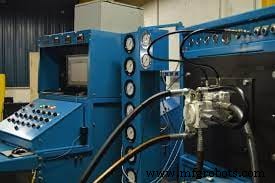
How do you test a hydraulic pump
How does a hydraulic pump work?
A hydraulic pump is a mechanical device that uses the energy of a fluid flow to generate power. When the fluid is forced through the pump, it moves the impeller which in turn rotates the shaft, creating energy. This is converted into mechanical work and used to move objects or machines.
The basic principle behind a hydraulic pump is that liquid is forced through a narrow opening and this creates a pressure difference between the inside and outside of the pump. This pressure difference can be used to generate power, which can then be used to move objects or machines.
Why does one need to test it?
A hydraulic pump is an essential component of any machinery or equipment operation. It helps to move fluids, air, and other materials by compressing and expanding the fluid. A pump’s ability to perform under various conditions is critical to its reliability. However, a pump’s performance can be adversely affected by many factors, including improper maintenance.
So why test a hydraulic pump? The most common reason is to ensure that it is operating at its optimal performance. Testing can also determine the cause of any malfunctions and help to identify solutions. In some cases, testing can even help to prevent future failures.
How can a pump be tested for leakage?
One way to test a hydraulic pump for leakage is to use a pressure gauge to measure the pressure in the system when the pump is running. If the pressure is below the desired level, then leakage may be occurring and repairs may be necessary.
Another way to test a hydraulic pump for leakage is to use a water displacement test. This test uses a container filled with water and placed below the pump. The pump is then turned on and the water level in the container is monitored as it slowly rises. If the pump is leaking, water will flow from the system faster than it can be displaced, indicating that there is an issue with the seal between the pump and its housing.
What to Look for when Testing Hydraulic Pumps?
When testing hydraulic pumps, it is important to be aware of the different signs that a pump may be failing. Below are some key things to look for when testing a hydraulic pump:
-Joules test results that are significantly lower than expected
-Pump noise or vibration that increases over time
-Failure of components such as seals, hoses, and bearings
Why is testing important?
Testing is important because it allows you to ensure that the hydraulic pump is performing as expected. Testing can help identify potential problems before they occur, and can help improve the reliability and performance of the hydraulic pump.
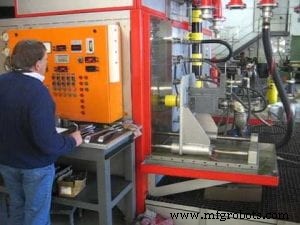
How do you test a hydraulic pump
The Final Verdict on Testing Hydraulic Pumps
As hydraulic pumps continue to become ever more prevalent in industrial and commercial applications, the need for reliable and accurate testing has never been greater. This is where hydraulic pump testing comes in; it allows engineers and operators to identify and address any potential issues before they become catastrophic. Here, we take a look at some of the most common testing methods used to assess hydraulic pumps.
Pump testing can be divided into two main categories: static and dynamic. Static pump testing is carried out to determine the pump’s performance under normal operating conditions. Dynamic pump testing involves applying a transient load to the pump and measuring the resulting output power and flow rate.
The most basic method of static pump testing is known as the ‘load test’. This involves filling the tank with water or other fluid, attaching the load valve, turning on the power, and observing the pressure gauge reading. The test is repeated until the pressure reaches its maximum value or until there is a drop in pressure (indicating failure).
More sophisticated methods involve measuring the PSI (pounds per square inch) at different points along the stroke of the pump. By doing this, it is possible to calculate the actual power being delivered by the pump (
Conclusion
Testing a hydraulic pump is an important part of maintaining it and ensuring that it’s functioning properly. There are a few different ways to test a hydraulic pump, and each one has its own benefits and drawbacks. The most common way to test a hydraulic pump is by using a pressure gauge, but this method has limitations. Other methods include checking the system for leaks and performing a functional check. Ultimately, the best way to test a hydraulic pump depends on the specific situation that you’re in. However, knowing how to test your hydraulic pump will help you maintain it and ensure that it’s functioning correctly.
How do you test a hydraulic pump, please clickhttps://topkitparts.com/ to learn more
Industrial equipment
- How to Detect a Faulty Hydraulic Pump: Key Indicators
- Step‑by‑Step Guide to Bleeding a Hydraulic Pump
- Choosing the Right Hydraulic Pump: Key Factors & Expert Tips
- Calculating Hydraulic Pump Compressor Capacity (CC): A Step‑by‑Step Guide
- Assessing Hydraulic Pump Efficiency: Key Indicators & Best Practices
- How to Accurately Determine a Hydraulic Pump’s GPM
- Sizing Hydraulic Motors and Pumps: A Practical Guide
- How to Verify Hydraulic Pump Pressure for Optimal Performance
- Step-by-Step Guide to Cleaning a Hydraulic Pump for Optimal Performance
- Essential Guide to Maintaining Your Hydraulic Pump: Tips, Troubleshooting & Longevity