



Hydraulic Pump Lifespan: Typical Operating Life and Replacement Guidance
Hydraulic pumps are essential for many industrial applications, but like any other mechanical equipment, they can wear down over time. In this article, we’ll explore the lifespan of a typical hydraulic pump and how you can determine when it’s time to replace it.
A hydraulic pump typically lasts 10 to 15 years depending on the type and quality of construction. However, since they’re subjected to extreme conditions (high and low temperatures, moving fluids), they can last longer or shorter depending on the specific application. In general, it’s a good idea to inspect your pump every few years and replace it if necessary.
What is a hydraulic pump?
A hydraulic pump is a machine that uses the force of pressurized fluids to move objects or machinery. Hydraulic pumps are often used in industrial settings to move heavy loads, and they can last for many years with proper care.
The lifespan of a hydraulic pump depends on a variety of factors, including the type of pump, how it is used, and the maintenance schedule. Generally, pumps with high-volume outputs will last longer than those with lower volumes. Additionally, pumps that are operated more frequently will wear faster than those that are used less often. Proper maintenance can also extend the life of a hydraulic pump by maintaining oil and grease levels, cleaning filters and debris buildup, and replacing worn components as needed.
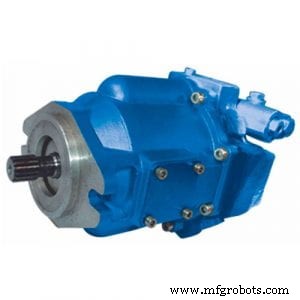
How long do hydraulic pumps last
How hydraulic pumps work
Hydraulic pumps are a common component in many industrial and commercial applications. They are used to move fluids, such as water, oil, or gas. The lifespan of a hydraulic pump depends on a number of factors, including its design and usage.
Typically, hydraulic pumps last between six and twelve months. Factors that can affect the lifespan of a pump include how it is used and maintained. For example, if a pump is used constantly and subjected to high pressure levels, its lifespan may be shorter. In contrast, if a pump is not used often or under lower pressure levels, it may last longer.
To operate, a hydraulic pump uses pressurized fluid. This fluid is forced through a series of pistons and valves, and it moves the object or substance that it is powering.
How to make your hydraulic pump last longer Conclusion
Hydraulic pumps can last for many years if they are used properly and taken care of. Regular maintenance can help prolong the life of your pump.
Regularly check the pressure and drainage of your hydraulic system. Check for leaks and fix them as soon as possible. Clean the system every few months with a degreaser and a mild abrasive. Replace worn or damaged parts as needed.
Store your pump in a cool, dry place. Avoid using the pump in hot or humid conditions.
The most important thing to remember when caring for your hydraulic pump is to keep it clean and lubricated. Doing so will help it run smoothly and last longer.
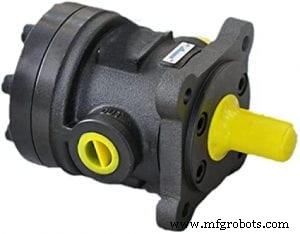
How long do hydraulic pumps last
How to tell when a pump needs to be replaced?
Hydraulic pumps can last anywhere from 5-10 years, but they usually need to be replaced around 6-7 years. There are a few tell-tale signs that your pump may need to be replaced: if the pressure is dropping or fluctuating, if the fluid seems to be leaking, or if the pump is making weird noises.
If any of these signs are present, it is definitely time to replace your pump.
Otherwise, it may just be time for a general cleaning and lubrication of the machinery.
Be sure to consult your manufacturer’s guidelines for when to replace your pump, as these vary depending on the type of pump and the machinery it is used on.
How to Maintain a Hydraulic Pump
Hydraulic pumps are essential for many purposes, from moving water through a pipeline to powering large machinery. They work by using pressurized hydraulic fluid to turn a gear wheel or other impeller.
Since hydraulic pumps rely on pressurized fluid, they can be subject to wear and tear. Here are some tips for keeping your pump running smoothly:
1. Regularly check the gearbox and bearings for wear and tear. This will help you diagnose and fix any problems before they become bigger problems.
2. Check the fluid level and replace any that has dropped below the required level. Over time, low fluid levels can lead to pump failure.
3. Check the seals around the pump casing and replace them if they start to wear or leak. Leaks can cause the pump to work harder than necessary, which can lead to further wear and tear.
4. Regularly clean the inside of the pump housing and impeller blades with a degreaser or anti-seize lubricant. This will keep the pump running smoother and prevent build-up of debris that can cause serious damage over time.
How to Find the Best Hydraulic Pump
Hydraulic pumps are one of the most popular types of engines used in today’s automobiles and industrial machinery. They are reliable, efficient, and can be replaced relatively easily. However, like all engines, hydraulic pumps eventually wear out and need to be replaced. Here are five tips to help you choose the best hydraulics pump for your application.
1. Compare engine displacement. Engine displacement is one of the most important factors to consider when selecting a hydraulic pump. The larger the engine, the more power it will require to drive the pump. Larger pumps are usually more expensive, but they will also last longer.
2. Compare output requirements. Output requirements refer to the amount of fluid that the pump must move per minute. The greater the requirement, the larger the pump must be. Pumps with higher output requirements are usually more expensive, but they can handle heavier loads better.
3. Consider speed ratings. Speed ratings tell you how fast the pump can operate at specific pressures and temperatures. Higher speed ratings mean that the pump can handle higher loads more easily; however, they may also be more expensive.
4. Consider horsepower ratings. HP ratings tell you
What is a Normal Life Span of a Pump?
A hydraulic pump typically lasts between 10,000 and 20,000 hours.
Conclusion
Hydraulic pumps can last a long time, depending on the type and quality of construction. If you take care of your pump and keep it properly lubricated, it should have a lifespan of many years. Be sure to read the manufacturer’s instructions for proper maintenance so that you prolong the life of your pump.
How long do hydraulic pumps last, please click topkitparts see more
Industrial equipment
- Top 5 Causes of Hydraulic Pump Failures and Prevention Tips
- How to Increase Hydraulic Pump Pressure Safely and Effectively
- How to Prime a Hydraulic Gear Pump for Optimal Performance
- Step‑by‑Step Guide to Bleeding a Hydraulic Pump
- Choosing the Right Hydraulic Pump: Key Factors & Expert Tips
- Rebuilding Hydraulic Pumps: A DIY Step-by-Step Guide
- Reduce Hydraulic Pump Noise: Proven Tips & Solutions
- How to Effectively Test a Hydraulic Pump for Optimal Performance
- Choosing the Right Pump for Your Irrigation System: A Practical Guide
- Durability of Hydraulic Motors: How Long Do They Last?