



Understanding PTO-Driven Hydraulic Pumps: How They Operate and Why They Matter
Hydraulic pumps are essential pieces of equipment in a variety of industries, from construction to agriculture. In this article, we will explore the basics of how PTO driven hydraulic pumps work. We will also look at some of the different types of hydraulic pumps available on the market, and detail their pros and cons.
What is a PTO driven hydraulic pump?
A PTO driven hydraulic pump is a type of hydraulic pump that uses a power take-off (PTO) to transfer power from an engine to the pump. The PTO typically connects to the vehicle’s transmission, which then sends the power to the pump. This design allows the pump to be operated from a distance, which can be useful when installing or servicing the pump.
The principle behind a PTO driven hydraulic pump is simple: The engine sends power to the transmission, which then sends it to the pump. The pump works using this power to push water or other fluid through a hose or tube. Because a PTO driven hydraulic pump can be operated from a distance, it is an ideal choice for installing or servicing the pump. Additionally, because a PTO driven hydraulic pump typically uses less fuel than other types of hydraulic pumps, it can be an environmentally friendly option.
How PTO Driven Hydraulic Pump Work
PTO driven hydraulic pumps work by using the power of a tractor to drive an impeller. This impeller causes the fluid to flow through the pump, which then moves the object or material being lifted. PTO driven hydraulic pumps have a number of advantages over regular hydraulic pumps, including greater efficiency and faster speed.
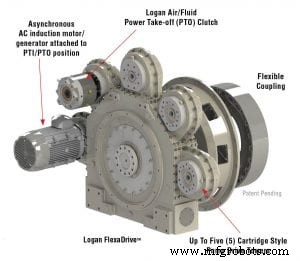
How do PTO driven hydraulic pumps work
Benefits of PTO Driven Hydraulic Pump
PTO driven hydraulic pumps are becoming more popular as they provide a number of benefits over traditional hydraulic pumps. Here are four of the main benefits:
1) They are more efficient.
2) They are quieter.
3) They have a longer life.
4) They are easier to operate.
Drawbacks of PTO Driven Hydraulic Pump
PTO driven hydraulic pumps are an effective way to move large amounts of water or other fluid substances. The benefits of using these pumps include their low power consumption, ability to move fluids at high speeds, and the simplicity of their design. However, there are a few drawbacks that should be considered when using these pumps.
One drawback of PTO driven hydraulic pumps is that they are relatively slow compared to other types of pumps. This can make them difficult to use in situations where fast movement of the fluid is required, such as in water supply systems. Additionally, PTO driven hydraulic pumps are limited in how much they can move per minute. As a result, they may not be suitable for applications where high throughput is desired.
Another drawback of PTO driven hydraulic pumps is their susceptibility to wear and tear. The moving parts of these pumps can become damaged over time, leading to decreased performance and increased maintenance costs. In addition, PTO driven hydraulic pumps are not always capable of operating in extreme conditions, such as cold temperatures or high altitudes. This can lead to decreased efficiency and increased costs associated with repairs or replacements.
How to Choose the Right PTO Driven Hydraulic Pump
When it comes to choosing the right hydraulic pump for your application, there are a few things you need to take into account. In this article, we’ll outline the different types of hydraulic pumps and explain how they work. We’ll also provide tips on how to choose the right one for your needs.
Types of PTO Driven Hydraulic Pump
There are three main types of hydraulic pumps: screw, vane, and plunger. Each has its own advantages and disadvantages, so it’s important to select the right one for your needs.
Screw Pumps
Screw pumps are the oldest type of hydraulic pump and are still used in a majority of applications. They work by using a screw to move the fluid through the pump. This can be a disadvantage because screw pumps aren’t as efficient as other types of pumps and can require more power to operate. Additionally, they can be more difficult to maintain than other types of pumps.
Vane Pumps
Vane pumps use a set of vanes to move the fluid through the pump. This is an advantage because vane pumps are more efficient than screw pumps and can operate at lower speeds. Additionally, vane pumps don’t require
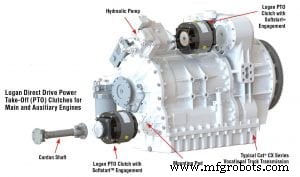
How do PTO driven hydraulic pumps work
How do they drive hydraulic equipment?
PTO driven hydraulic pumps are able to convert the energy of a hydraulic fluid into mechanical work by means of a piston and cylinder assembly. The energy is stored in the hydraulic fluid prior to being used to power the pump. When the pump is activated, the energy is released and used to drive the pistons and moving components of the pump.
Purpose of PTO driven hydraulic pumps
PTO driven hydraulic pumps are most commonly used in agricultural production. They are used to move large amounts of water, fertilizer, or other materials. PTO driven hydraulic pumps work by using a rotary motion to create a flow of liquid.
What makes a PTO driven hydraulics pump different from other pumps?
PTO driven hydraulics pumps, also referred to as PTO powered pumps, are unique in that they are directly driven by the power of a tractor’s PTO. This means that they have no gearbox and no belt drive, as traditional hydraulic pumps do. This makes them efficient and powerful machines, able to move large amounts of fluid with ease.
Why use a PTO driven hydraulics pump?
There are several reasons why you might want to use a PTO driven hydraulics pump. For example, if you have a lot of heavy equipment that needs to be moved around your property, using a PTO driven hydraulics pump will allow you to easily move the equipment where it is needed without having to worry about lugging it around. Additionally, PTO driven hydraulics pumps are very versatile machines and can be used for a variety of tasks. For example, they can be used to move water, oil, or other fluids. They are also reliable machines and are often considered to be one of the best options when it comes to moving heavy equipment.
How do the components of a PTO driven hydraulic pump work together and where are they located?
A PTO driven hydraulic pump is a machine that uses a rotating cam to drive a piston. The cam is connected to the pump via a gear train. The pistons move the fluid through the pump.
The gear train includes a reduction gear and a first gear. The reduction gear helps to reduce the speed of the cam, so that it can move more quickly. The first gear helps to transfer power from the cam to the pistons.
The pump is located in the base of the arm. The arm is attached to the gearbox and the motor. The motor drives the pistons and causes them to move the fluid through the pump.
Conclusion
In this article, we will be discussing how PTO driven hydraulic pumps work and what benefits they offer. These pumps are typically used in industrial applications where high demands are placed on the pump capacity and speed. By understanding how these pumps work, you will be able to better assess their suitability for your specific application.
How do PTO driven hydraulic pumps work? please click topkitparts see more
Industrial equipment
- How Air-Over-Hydraulic Brakes Work: A Clear Guide
- Understanding Hydraulic Cranes: How They Operate and Why They're Efficient
- Understanding Mini Submersible Pumps: How They Work & Where They're Used
- Understanding Hydraulic Flow-Control Valves: Function, Types, and Applications
- Understanding Hydraulic Presses: How They Work and Why They're Essential
- Exploring the Varieties of Hydraulic Pumps: Types, Functions, and Applications
- Hydraulic Pump Lifespan: Typical Operating Life and Replacement Guidance
- Hydraulic Pump Types Explained: A Complete Guide
- Reduce Hydraulic Pump Noise: Proven Tips & Solutions
- Understanding the Functionality of a 2-Speed Hydraulic Pump