



How to Detect a Faulty Hydraulic Pump: Key Indicators
A hydraulic pump is an important piece of equipment in any industrial or agricultural setting, and it’s important to know when one is going bad so you can take corrective action. In this article, we’ll teach you the basics about hydraulic pumps and how to tell if they’re experiencing problems.
What is a hydraulic pump?
A hydraulic pump is a device that transfers energy from a fluid source to a work object. They are typically used in industrial settings, such as mining and manufacturing.
There are three main types of hydraulic pumps: rotary, piston, and vane. Rotary pumps use a rotating disk to move the fluid. Piston pumps use pistons to push and pull the fluid. Vane pumps use vanes to direct the fluid.
To tell if a hydraulic pump is bad, you can inspect the exterior for signs of wear or damage, or you can check the motor itself for signs of trouble. If the pump doesn’t seem to be working correctly, you may need to replace it.
Types of hydraulic pumps
Hydraulic pumps come in different types, which can indicate the pump’s overall condition. Knowing the type of pump is important for properly diagnosing and repairing it. Here are the different types of hydraulic pumps:
– Piston: The piston pump is the most common type of hydraulic pump. It uses a piston to move the fluid through the system. This type of pump is usually reliable and can be repaired easily.
– Rotary: A rotary hydraulic pump uses a disc or rotor to move the fluid through the system. This type of pump is more expensive than a piston pump and can be more difficult to repair.
– Impulse: An impulse hydraulic pump uses an electric motor to create a sudden flow of fluid through the system. This type of pump is less common and can be more expensive to operate.
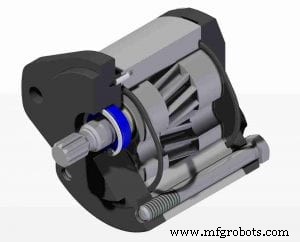
How can you tell if a hydraulic pump is bad
How do hydraulic pumps work?
A hydraulic pump is a device used to move fluid, such as oil or water, using the power of a pressurized fluid. The fluid is forced through a series of tubes and chambers by the pressure from the pump. The pumps are often used in industrial settings to move fluids between tanks and other locations.
The most common type of hydraulic pump is the rotary vane pump. This type of pump has a series of blades that turn as the pressure from the fluid moves it. This design makes it efficient at moving liquids, but it can also be slow at moving large amounts of fluid.
Another type of hydraulic pump is the piston pump. This pump uses pistons to move the fluid. The pistons are connected to a series of cylinders, and as the pressure from the fluid moves them, it creates a pumping action. This type of pump is faster than the rotary vane pump but less efficient at moving liquids.
In order to determine if a hydraulic pump is bad, you will need to inspect it closely for signs of damage or wear. If the engine or gearbox that powers the pump is not working correctly, then the pump will likely be damaged too. Additionally, if there are any leaks in
Signs that a hydraulic pump is bad
If you notice any of the following signs that your hydraulic pump is not functioning correctly, it may be time to replace it:
-The pump will not operate when initially turned on
-The pump makes a high-pitched noise when operated
-The seal between the pump and the tank begins to deteriorate
-The fluid level in the tank begins to drop significantly
Some Common Hydraulic Pump Symptoms
If you are experiencing any of the following symptoms with your hydraulic pump, it is likely that the pump is bad and needs to be replaced:
-The pump will not start up or run properly
-The pump makes a loud noise when running
-The pump leaks fluid when in use
-The pump gets hot quickly
-The pump dies quickly
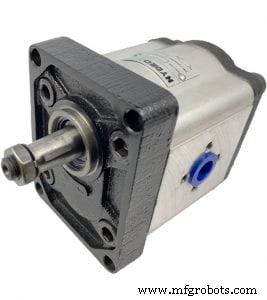
How can you tell if a hydraulic pump is bad
How to test a hydraulic pump
If you are thinking about buying a hydraulic pump, there are a few things you can do to test it before you buy it. One way to test a hydraulic pump is to pressurize the system and then try to stop the flow of fluid. If the pump can’t stop the flow, it is likely broken. Another way to test a hydraulic pump is to remove the head and check for oil or fluid leaking from the seals. If there is oil or fluid leaking, it means the pump is probably bad and you should not buy it.
How to Troubleshoot a Hydraulic Pump
When it comes to your hydraulic system, you want to make sure that everything is up and running smoothly. This includes the pumps, valves, hoses and fittings. Checking the status of your pump can be a daunting task, but with a little know-how, it’s easy to troubleshoot any problems. Here are four tips for checking the status of your hydraulic pump:
1) Check for leaks – One of the quickest ways to determine if there is a problem with your pump is to check for leaks. If there are any spots where water is seeping or flowing freely, then there is likely a problem with the pump. Leaks can be caused by cracks in the housing or defective seals. If you notice any watermarks on the walls of your tank or on hoses or fittings, then you may have a broken pipe or hose.
2) Check for power – A good way to test if your pump is working is to plug it into an outlet and see if you get power from the outlet. If you do not, then there may be something wrong with the wiring or connector between the pump and the wall outlet.
3) Check for pressure – Another indicator
What are the common causes of a hydraulic pump breaking?
If you are noticing that your hydraulic pump is not moving fluid as it should, there is a good chance that the pump is bad. A few common causes of a hydraulic pump breaking are: corrosion, failure of the seals, worn gear or bearings. If you are experiencing any of these problems, it is time to replace your pump.
Conclusion
If you’re having trouble with your hydraulic pump, it’s important to identify the issue as soon as possible. By doing this, you can save yourself a lot of money and time down the road. Here are four easy tips that can help you determine if your hydraulic pump is bad:
1. Check for leaking or damaged hoses
2. Inspect the piston area for wear and tear
3. Test the compression ratio (the higher the number, the better)
4. Check for any abnormal noise
How can you tell if a hydraulic pump is bad, please clickhttps://topkitparts.com/ to learn more
Industrial equipment
- Reduce Hydraulic Pump Noise: Proven Tips & Solutions
- How to Effectively Test a Hydraulic Pump for Optimal Performance
- Calculating Hydraulic Pump Compressor Capacity (CC): A Step‑by‑Step Guide
- Assessing Hydraulic Pump Efficiency: Key Indicators & Best Practices
- Can a Hydraulic Motor Serve as a Pump? Exploring Dual-Function Fluid Power Systems
- How to Identify a Faulty Hydraulic Pump: Key Signs and Quick Fixes
- How to Accurately Determine a Hydraulic Pump’s GPM
- How to Verify Hydraulic Pump Pressure for Optimal Performance
- Step-by-Step Guide to Cleaning a Hydraulic Pump for Optimal Performance
- Essential Guide to Maintaining Your Hydraulic Pump: Tips, Troubleshooting & Longevity