



How to Adjust Hydraulic Speed for Peak Performance
Hydraulic speed is one of the main factors that govern the performance of a hydraulic system. It is important to adjust the hydraulic speed so that the machine can operate at its best. This article will teach you how to adjust hydraulic speed.
To adjust hydraulic speed, you will need to use a speedometer and a torque wrench. First, loosen the screws that hold the speedometer onto the shaft. Next, remove the speedometer. Then, using the torque wrench, turn the screws on the shaft until the desired speed is reached.
What is Hydraulic Speed?
There are two types of hydraulic speed – manual and automatic. Manual hydraulic speed is controlled by the operator, while automatic hydraulic speed is controlled by the machine.
There are a few things to consider when adjusting hydraulic speed:
-The goal is to maintain optimum efficiency while moving the machine.
-Speed should be adjusted based on the task at hand. For example, a higher speed may be necessary for heavy loads, while a lower speed may be necessary for delicate tasks.
-It’s important to test the new speed before actually using it in order to ensure that everything is running smoothly.
When to Adjust Hydraulic Speed
Adjusting the hydraulic speed is an important part of maintaining a proper seal and preventing fluid leakage. You should adjust the hydraulic speed whenever you notice a decrease in seal quality or an increase in fluid leakage. There are a few factors to consider when adjusting the hydraulic speed:
-The type of job being done
-The type of sealant being used
-The age of the equipment
-The operating conditions
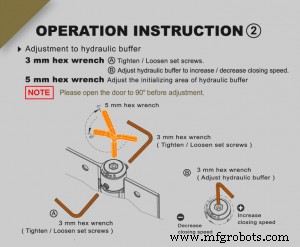
How do you adjust hydraulic speed
How to Adjust Hydraulic Speed
There are a few ways to adjust the hydraulic speed on a lawn mower.
1. Turn the adjusting knob on the side of the engine.
2. Check the belt tension by lifting up on one end of the belt and looking for a gap between the blade and the pulley. If there is a lot of slack, tighten the belt.
3. If neither of these adjustments work, it may be necessary to take the engine apart and adjust the gears.
What are the different functions of hydraulic speed?
There are basically three types of hydraulic speed: operating, cruising and maximum. Operating hydraulic speed is the speed at which the machine is actually moving. Cruising hydraulic speed is the speed at which the machine is moving while under the power of the engine but not yet reaching its top speed. Maximum hydraulic speed is the highest speed that the machine can reach without exceeding its design specifications.
Adjusting hydraulic speed can affect a number of different things, including:
-Operating Speed: This affects how fast the machine can move and how much power it needs to do so. Adjusting operating speed can help to improve efficiency and reduce wear on parts.
-Cruising Speed: This affects how quickly the machine reaches its top speed and how quickly it maintains that speed. Changing cruising speed can help to improve fuel economy and reduce emissions.
-Maximum Speed: This affects how fast the machine can travel before it overcomes its limitations (such as wear or damage). Adjusting maximum speed can help to ensure that your machine remains operable in high-stress situations.
Different types of gears and how they change the hydraulic speed.
Different types of gears can change the hydraulic speed, which can affect the way a machine operates. Gears can be mechanical or hydraulic. Mechanical gears are powered by an external force, such as a motor. Hydraulic gears use hydraulic pressure to power the gear rotation.
When adjusting the hydraulic speed, it is important to consider the type of gear installed. Gears with large revolutions per minute (RPM) require more hydraulic pressure to operate than gears with lower RPMs. If the machine is not using enough pressure to move the workpiece, it will likely overheat and fail.
To adjust the hydraulic speed, first determine the horsepower required by the gear. This number can be found on the spec sheet for the gear or from a manufacturer’s website. Next, divide that number by 1,000 to find the required PSI of hydraulic fluid. Finally, match that PSI to the correct rating for your gear and fill up your fluid reservoir accordingly.
What is a hydraulic speed control valve?
A hydraulic speed control valve (HSV) is a device used on hydraulic systems to adjust the speed of the system. The valve opens and closes as needed to maintain the desired speed of the system. HSVs are commonly used in industrial, commercial and agricultural applications.
A typical HSV consists of a solenoid valve, a pressure sensor and a controller. The solenoid valve is usually a diaphragm type valve that is actuated by hydraulic pressure. The pressure sensor measures the pressure inside the system and sends this information to the controller. The controller uses this information to adjust the opening and closing of the solenoid valve.
How does the hydraulic speed control valve work?
The hydraulic speed control valve is a device that adjusts the speed of the hydraulic system. It controls the flow of fluid through the system by opening and closing the valves as needed. When it opens, it allows more fluid to flow into the system. This increases the pressure in the system, which causes the valves to close. This decreases the pressure in the system, and the valves open again.
The hydraulic speed control valve is controlled by a computer, which monitors the pressure and flow of the fluid. It adjusts the valves as needed to keep the pressure and flow at a desired level.
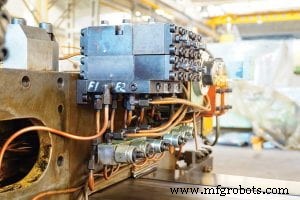
How do you adjust hydraulic speed
How to adjust a hydraulic speed control valve.
If you’re having problems adjusting your hydraulic speed control valve, here’s how to do it.
1. Open the valve by turning it clockwise with a wrench.
2. Loosen the locknut by turning it anticlockwise with a wrench.
3. Turn the adjustment screw until the desired speed is reached.
4. Reattach the locknut and tighten it using a wrench.
Conclusion
Adjusting hydraulic speed can be a challenge, but it is important to do so in order to keep your equipment running smoothly. By following these steps, you should be able to adjust your speed quickly and easily.
In order to adjust the hydraulic speed, you will need to use a speedometer and a torque wrench. First, loosen the screws that hold the speedometer onto the shaft. Next, remove the speedometer. Then, using the torque wrench, turn the screws on the shaft until the desired speed is reached.
There are a few things to consider when adjusting hydraulic speed:
-The goal is to maintain optimum efficiency while moving the machine.
-Speed should be adjusted based on the task at hand. For example, a higher speed may be necessary for heavy loads, while a lower speed may be necessary for delicate tasks.
-It’s important to test the new speed before actually using it in order to ensure that everything is running smoothly.
When to Adjust Hydraulic Speed
Adjusting the hydraulic speed is an important part of maintaining a proper seal and preventing fluid leakage. You should adjust the hydraulic speed whenever you notice a decrease in seal quality or an increase in fluid leakage. There are a few factors to consider when adjusting the hydraulic speed:
-The type of job being done
-The type of sealant being used
-The age of the equipment
-The operating conditions
How do you adjust hydraulic speed, please clickhttps://topkitparts.com/ to learn more
Industrial equipment
- How to Boost Hydraulic Flow Rate for Optimal Performance
- Boosting Hydraulic Motor Torque: Proven Techniques & Tips
- Adjusting Hydraulic Cylinder Pressure: A Step‑by‑Step Guide
- Control Hydraulic Motor Speed with PWM & Remote Control: A Practical Guide
- How to Effectively Test a Hydraulic Pump for Optimal Performance
- Calculating Hydraulic Pump Compressor Capacity (CC): A Step‑by‑Step Guide
- How to Verify Hydraulic Pump Pressure for Optimal Performance
- Step-by-Step Guide to Cleaning a Hydraulic Pump for Optimal Performance
- Essential Guide to Maintaining Your Hydraulic Pump: Tips, Troubleshooting & Longevity
- Boost Hydraulic Cylinder Speed: Proven Strategies for Enhanced Performance