



Adjusting Hydraulic Cylinder Pressure: A Step‑by‑Step Guide
Hydraulic cylinders are used in a variety of industrial settings to control the movement of fluids. In this article, we will focus on how you adjust the pressure on a hydraulic cylinder. By understanding the principle behind hydraulic cylinders and how they work, you will be able to adjust their pressure more accurately and efficiently.
What is a hydraulic cylinder?
A hydraulic cylinder is a device used to apply pressure to fluids. They come in a variety of shapes and sizes, and can be found in many different applications, such as agriculture, construction, manufacturing, and automotive. There are two main types of hydraulic cylinders: pneumatic and hydraulic. Pneumatic cylinders use air pressure to create an effect, while hydraulic cylinders rely on the pressure of the fluid to create their effect.
What are the different types of pressure?
One of the most important factors in hydraulic cylinder operation is the pressure. Pressure is a measure of how hard or strong something is pushing against something else. There are many different types of pressure, and each has its own importance in hydraulic cylinder operation.
Low Pressure: Low pressure is typically used in small, low-power hydraulic systems. It’s enough to keep the piston moving, but doesn’t generate much force. Low pressure is especially important in systems that use a lot of energy (like a pump) to move fluid.
High Pressure: High pressure is what you find in most hydraulic systems. It’s strong enough to push the piston all the way down, and it’s usually used to create a lot of force (like when you use a plunger). High pressure can also be dangerous if it’s not properly controlled.
Low-Pressure Systems: When you’re working with small quantities of fluid, low-pressure systems are ideal. They’re easy to operate and don’t require a lot of power. You’ll find low-pressure systems in everything from hand pumps to engine starters.
High-Pressure Systems: When you need to move lots of fluid fast, high
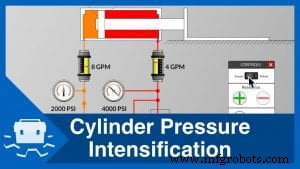
How do you adjust the pressure on a hydraulic cylinder
Why the Pressure on a Hydraulic Cylinder Matters
When you are using a hydraulic cylinder, it is crucial to adjust the pressure on the cylinder in order to get the desired result. Too much or too little pressure can produce different results, so it is important to know how to adjust the pressure.
There are a few ways to adjust the pressure on a hydraulic cylinder. One way is to use a hand pump. Another way is to use a controller. Finally, you can also use gauges. The best way to adjust the pressure is to use all three methods in combination so that you get an accurate reading.
If you are using a hand pump, try pumping the cylinder up and down several times until you find the pressure that produces the desired result. If you are using a controller, press down on the pedal until you reach the desired pressure. Finally, if you are using gauges, read the reading off of the gauge.
It is important to keep in mind that adjusting the pressure on a hydraulic cylinder can be tricky and requires some practice. But by following these three tips, you will be able to get your cylinder set up correctly every time
How to adjust the pressure on a hydraulic cylinder
If you are using a hydraulic cylinder to control the pressure of a fluid, you may need to adjust the pressure occasionally. This can be done by turning a screw on the cylinder’s housing.
Difference Between Types of Hydraulic Cylinders
There are many types of hydraulic cylinders, each with its own special features. Here’s a brief overview of the three most common types: screw, diaphragm, and vane.
Screw cylinders are the simplest type. They consist of a cylindrical head with several screw-like pistons attached to it. When you press down on the head, the pistons compress the hydraulic fluid and force the cylinder’s piston(s) to move up and down. Screw cylinders are useful for tasks such as moving objects in straight lines or rotating objects.
Diaphragm cylinders work basically like screw cylinders, but they use a flexible diaphragm instead of a cylindrical head. The diaphragm absorbs pressure fluctuations so that the pistons move up and down smoothly. This type of cylinder is popular in applications where smooth movement is important, such as in automobile suspension systems or in machine tools that use high-speed cutting action.
Vane cylinders are similar to diaphragm cylinders, but their pistons are driven by a fan-like rotor instead of a piston. This type of cylinder is used in air conditioning systems and other mechanical applications where high
What Pressure Should be on a Hydraulic Cylinder?
There are a few things to consider when adjusting the pressure on a hydraulic cylinder. The most important thing to consider is the work that the cylinder is going to be used for. Different cylinders are designed to handle different amounts of pressure.
If the cylinder is going to be used for low-pressure applications, like a garden hose, then the pressure should be lowered. If the cylinder is going to be used for high-pressure applications, like a water pump, then the pressure should be raised.
Another factor to consider is the material that the cylinder is made out of. Some cylinders are made out of metal, while others are made out of plastic. Metal cylinders can withstand higher pressures than plastic cylinders, but they also tend to be more expensive.
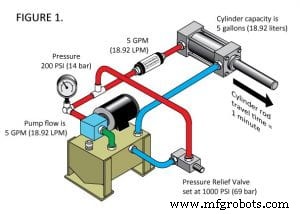
How do you adjust the pressure on a hydraulic cylinder
The Pressure Relief Valve and the Relief Rod
A hydraulic cylinder is an important part of a machine that uses hydraulics. When the pressure on the cylinder increases, the relief valve opens to release the pressure. The relief rod is used to control the pressure in the cylinder and keep it from going too high.
Two Methods of Efficiently Adjusting the Pressure on a Hydraulic Cylinder
Adjusting the pressure on a hydraulic cylinder can be done in two ways: manually and automatically. Manual adjustment is typically done by turning a screw on the side of the cylinder, while automatic adjustment is done by using a pressure gauge to set a predetermined pressure.
Conclusion
Adjusting the pressure on a hydraulic cylinder can be a tricky task, but with a little practice you can get it just right. Here are some tips to help you adjust the pressure on your hydraulic cylinder:
– Check the level of oil in the reservoir. If there is not enough oil, the pump will struggle to generate enough pressure to move the fluid. Add more oil until you reach the required level.
– Make sure that all seals are properly fitted and free from leaks. A leaky seal will cause low pressure and make it difficult to adjust the pressure on your hydraulic cylinder.
– Use an adjustable wrench if necessary to tighten or loosen bolts. Over-tightening might damage your equipment, while under-torquing could cause it to seize up
How do you adjust the pressure on a hydraulic cylinder, please click topkitparts see more
Industrial equipment
- How to Increase Hydraulic Pump Pressure Safely and Effectively
- Boosting Hydraulic Pump Pressure: Proven Techniques & Tips
- Choosing the Right Hydraulic Cylinder Size for Your Project
- How to Adjust Hydraulic Speed for Peak Performance
- Control Hydraulic Motor Speed with PWM & Remote Control: A Practical Guide
- Reversing a Hydraulic Motor: A Step‑by‑Step Guide
- Calculating Hydraulic Pump Compressor Capacity (CC): A Step‑by‑Step Guide
- Calculating Hydraulic Pump Flow: A Practical Guide to Optimizing Performance
- How to Verify Hydraulic Pump Pressure for Optimal Performance
- Boost Hydraulic Cylinder Speed: Proven Strategies for Enhanced Performance