



Choosing the Right Hydraulic Cylinder Size for Your Project
Hydraulic cylinders come in all shapes and sizes, and it can be tough to figure out which one is right for your needs. In this article, we’ll walk you through the different types of hydraulic cylinders available on the market, and explain how to choose the perfect one for your project.
What is a Hydraulic cylinder?
A hydraulic cylinder is a machine that uses pressurized fluid to move an object. The cylinder is filled with oil and gas, and the pressurized fluid is used to power the piston or motor. The size of the cylinder affects how much force is needed to move the object.
When you are looking for a hydraulic cylinder, you need to think about what you will be using it for and the size of the object. The size of the object will determine the size of the hydraulic cylinder you need. For example, if you are using a hydraulic cylinder to move a large piece of wood, you will need a larger cylinder than if you are moving a small piece of wood.
The other thing to consider when buying a hydraulic cylinder is how many PSI (pounds per square inch) it needs. A hydraulic cylinder with more PSI can push harder than one with less PSI, but it will also require more energy to do so. If you don’t have an idea of what you need, it is best to talk to a professional installer or look online for reviews of different brands and models.
What are the Different Types of Hydraulic Cylinders?
When it comes to hydraulic cylinders, there are a few different types that you might encounter. This can depend on the specific application that you need your cylinder for, so it’s important to know what those types are before making a purchase.
Piston Cylinder: These are the most common type of hydraulic cylinder, and they work by using a piston to push and pull the fluid. They’re usually smaller in size, which means they’re more efficient when it comes to using less energy.
Volute Cylinder: These cylinders use a helical coil to create the pressure, and they’re usually bigger in size than piston cylinders. This makes them better suited for high-pressure applications, like pumping water or gas.
Diaphragm Cylinder: These cylinders use a diaphragm to create the pressure, and they’re usually used for lower-pressure applications. This is because they have a greater range of pressure than other types of cylinders, which means they can be used in more scenarios.
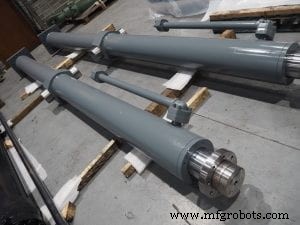
How big of a hydraulic cylinder do I need
How many pumps can I operate with one hydraulic cylinder?
The size of your hydraulic cylinder will depend on the pumps you want to operate. A common size for a hydraulic cylinder is 50 feet. If you have two pumps, each with a 20-foot reach, then you will need a cylinder that is 80 feet in diameter.
How to calculate the size of your hydraulic cylinder
When purchasing a hydraulic cylinder for your business, you need to calculate the size of the cylinder that will fit your application. There are a few factors to consider when selecting a cylinder size, including the pressure and operating range.
To calculate the required hydraulic cylinder size, you need to first determine the pressure that you need to operate at. The operating range is also important to consider as this will dictate how far the piston can move in either direction. Lastly, you need to factor in the dimensions of your application. For example, if your application requires a cylindrical cylinder with a diameter of 10 inches and a height of 2 inches, then you will need a cylinder with a diameter of 12 inches and a height of 4 inches.
What types of pumps and cylinders do I need?
hydraulic cylinders come in a variety of sizes and can be used for a variety of purposes. Many pumps and cylinders can be used interchangeably, so it is important to understand the specifications of the pump and the cylinder before making a purchase.
When choosing a pump or cylinder, it is important to consider the following factors:
-The application for which the pump or cylinder will be used
-The fluid volume that the pump or cylinder can handle (in liters)
-The pressure that the pump or cylinder can handle (in bar)
-The type of connector that will be used to connect the pump or cylinder to the plumbing system
How does the size of a hydraulic cylinder affect the performance of your project?
When choosing a hydraulic cylinder for your project, you’ll want to make sure that the size of the cylinder will fit the needs of your project. A large hydraulic cylinder can provide more power and torque than a small cylinder, but it may also be more difficult to move and could require more space on your project. Additionally, a large hydraulic cylinder might be more expensive than a smaller one. If you’re not sure what size cylinder you need, consult with a professional contractor or manufacturer.
What are some factors that could change the size of your desired hydraulic cylinder?
When looking to buy a hydraulic cylinder, there are many factors that could affect the size of the cylinder you need. Your application, your desired pressure level and the design of your hydraulic system all play a role in determining the recommended size of the cylinder. Here are some general tips to help you determine what size cylinder is right for you:
-Start by calculating the maximum expected working pressure for your application. This will give you an idea of the necessary force that the cylinder can generate.
-Determine how much pressurized fluid you need to apply. This can be found by multiplying the desired working pressure by the volume of fluid required.
– Use these figures to determine which size hydraulic cylinder is necessary. Determine if you will be using fixed or adjustable heads and select a cylinder accordingly.
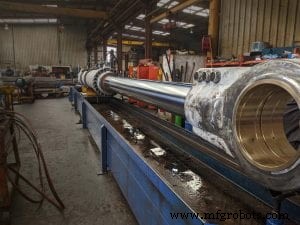
How big of a hydraulic cylinder do I need
Comparison of different sizes of hydraulic cylinders
When purchasing a hydraulic cylinder, it is important to consider the application for which it will be used. There are many different sizes of hydraulic cylinders available on the market today, and it can be difficult to decide which one is right for your needs. In this article, we will compare the different sizes of hydraulic cylinders and help you find the best option for your project.
The most common size of hydraulic cylinder is the C-size. This cylinder is often used in construction projects, and it can handle pressures up to 2,000 psi. If you are using a C-size cylinder for industrial applications, it is important to make sure that it has been pressure tested and certified.
If you are looking for a smaller cylinder that can handle lower pressures, the B-sized cylinder is a good option. This cylinder can handle pressures up to 1,500 psi, and it is commonly used in agricultural applications.
If you need a cylinder that can handle higher pressures, the A-sized cylinder is perfect for you. This cylinder can handle pressures up to 10,000 psi, and it is often used in industrial applications. Make sure that you select a A-sized cylinder that has been pressure tested and certified; otherwise,
Conclusion
If you’re considering buying or building a hydraulic cylinder, be sure to measure the inside diameter of the hole you want to use first. Many hydraulic cylinders are available in both inches and millimeters, so it’s important to know which size is best for your project.
How big of a hydraulic cylinder do I need, please clickhttps://topkitparts.com/ to learn more
Industrial equipment
- Expert Guide to Repairing Hydraulic Cylinders Quickly & Effectively
- Fixing a Leaking Hydraulic Cylinder: A Comprehensive Repair Guide
- Accurate Hydraulic Fitting Measurement: Step‑by‑Step Guide
- How to Determine the Horsepower Needed for Your Hydraulic Pump
- Adjusting Hydraulic Cylinder Pressure: A Step‑by‑Step Guide
- Determine the Right Hydraulic Pump Size for Your Business
- Determining Your Required Hydraulic Flow Rate
- Determining the Torque Requirements for Hydraulic Pumps
- Boost Hydraulic Cylinder Speed: Proven Strategies for Enhanced Performance
- Choosing the Right Hydraulic Pump: Size, Power, and Application Guide