



How to Determine the Horsepower Needed for Your Hydraulic Pump
When you’re looking to buy a new hydraulic pump, it can be difficult to know just how much horsepower (hp) your application needs. In this article, we’ll take a look at three different types of hydraulic pumps and show you how to calculate the hp required for each one.
Piston Pumps
A piston pump is a type of hydraulic pump that uses pistons to move fluid. They’re typically used for applications that require high pressures and low speeds, like manufacturing or agriculture.
To calculate the hp required for a piston pump, you first need to determine the maximum operating pressure (MP). This will be the pressure at which the pump is able to operate without experiencing any problems.
Next, you need to figure out the speed at which the pump needs to operate. This will be the speed at which the pistons are moving fluid around the pump impeller.
Finally, you need to multiply these two numbers together to get the horsepower required:
MP × Speed = HP Required
What is a hydraulic pump?
A hydraulic pump is a device that converts the energy of a fluid flow into mechanical work. It is used in many applications, such as manufacturing, transportation and engineering.
A hydraulic pump typically uses a pressurized fluid to create a mechanical force. This force is then used to do work on something else, such as moving a object or lifting something heavy.
In order for a hydraulic pump to work, it needs to be able to move the pressurized fluid. This can be done using either an internal or external combustion engine. Internal combustion engines use heat to create a pressure difference within the engine. This difference in pressure causes the flow of gas and oil through the engine. External combustion engines use an outside source of heat to create the same pressure difference.
The size and power of a hydraulic pump depends on the application it will be used in. However, most pumps use between 1 and 10 horsepower.
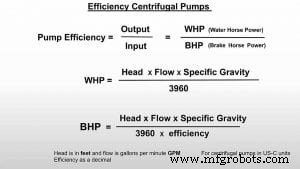
How much HP does a hydraulic pump need
How does a hydraulic pump work?
A hydraulic pump is a device that uses pressurized fluid to move objects. A hydraulic cylinder is filled with a fluid and a piston is moved up and down by the fluid. The pressure in the cylinder causes the piston to move and this motion powers the pump.
The amount of power that a hydraulic pump needs depends on the application. For example, a pump used in an amusement park might need less power than one used in a factory.
The size of the hydraulic pump also affects how much power it needs. For example, a small hydraulic pump might need just 10 horsepower while a large hydraulic pump might need 500 horsepower.
What are the different types of hydraulic pumps?
hydraulic pumps come in a variety of types that serve different purposes. Each type has its own strengths and weaknesses. This article will outline the different types of hydraulic pumps and their purposes.
Piston pumps are the simplest type of pump, and they are used in applications where low horsepower is necessary, such as in small water motors or agricultural applications. They use a single piston to move the liquid, and they are often used in systems with low flow rates. Piston pumps are also the cheapest option, making them a good choice for small applications.
Vibratory pumps use a series of pistons or rotor blades to convert energy into motion. They can be more powerful than piston pumps, and they are often used in high-flow applications where higher horsepower is needed. Vibratory pumps can also be more expensive than piston pumps, but they offer better performance at high flow rates. Vibratory pumps are ideal for applications such as wastewater treatment plants or oil refineries.
Rotary vane pumps use a series of vanes to convert energy into motion. Rotary vane pumps are similar to vibratory pumps, but they use a rotary motion instead of a piston motion.

How much HP does a hydraulic pump need
What are the specifications for a hydraulic pump?
A hydraulic pump needs to be powerful enough to move the required amount of fluid, but also small and lightweight so it can be easily transported. In terms of horsepower, a typical hydraulic pump needs around 10,000.
Other specifications for a hydraulic pump include the type of fluid it can move (e.g. water, oil, etc.), the amount of pressure it can generate, and the range of operating temperatures.
What are the benefits of using a hydraulic pump?
One of the main benefits of using a hydraulic pump is that it can be very efficient when it comes to moving fluid. This is due to the fact that a hydraulic pump uses pressure to move the fluid, which means that it is able to move a lot of fluid in a short amount of time. This is why they are often used in industrial settings where it is important to move large amounts of fluid quickly. Additionally, hydraulic pumps are often durable and reliable, which makes them a good option for applications where quality and performance are key.
How much power does a hydraulic pump need?
A hydraulic pump needs a lot of power to function. A typical hydraulic pump can require anywhere from 5 to 30 horsepower to operate effectively. It is important to choose the right type of hydraulic pump for the job at hand, as some pumps are designed for larger applications while others are better suited for smaller tasks.
How to Calculate HP for a Hydraulic Pump
A hydraulic pump requires a certain amount of horsepower (HP) in order to function properly. This horsepower is determined by the RPM (revolution per minute) of the pump, and is typically around 600 HP. However, this number can vary depending on the type and size of the pump.
What are the limits of HP for a hydraulic pump?
A hydraulic pump can handle a lot of pressure, but it’s not immune to wear and tear. In fact, the limits of HP for a hydraulic pump depend on a variety of factors, such as the type of pump, the application, and the operating conditions. But generally speaking, a hydraulic pump can handle up to about 2,000 HP.
Conclusion
In order to get the most power out of your hydraulic pump, you will need to know how much HP it needs. This information is usually included on the pump itself or in the manufacturer’s documentation, so be sure to look for it if you are in need of more power. Remember that too much horsepower can also damage your equipment, so make sure you choose a pump that is capable of fulfilling your specific requirements before purchasing it.
How much HP does a hydraulic pump need, please clickhttps://topkitparts.com/ to learn more
Industrial equipment
- Step‑by‑Step Guide to Bleeding a Hydraulic Pump
- Estimated Costs for Repairing Hydraulic Pumps: What You Need to Know
- Understanding the Flow Rate of a 2-Inch Pump
- When Is It Time to Repair Your Hydraulic Pump?
- Determining the Horsepower Needed to Run a Hydraulic Pump
- Determine the Right Hydraulic Pump Size for Your Business
- Determining Your Required Hydraulic Flow Rate
- Determining the Torque Requirements for Hydraulic Pumps
- Understanding the Functionality of a 2-Speed Hydraulic Pump
- Choosing the Right Hydraulic Pump: Size, Power, and Application Guide