



Step‑by‑Step Guide to Bleeding a Hydraulic Pump
Bleeding a hydraulic pump can be a hassle, but with the help of this guide, it won’t be too difficult. Follow these steps and you’ll have your pump back up and running in no time.
1. Shut off the power to the pump. This can be done by turning off the electrical breaker or flipping a switch on the pump.
2. Remove the cover of the pump, if it is not already removed. Make sure to keep track of all of the screws that are used to secure it in place!
3. Inspect the seal between the pump body and head. If it is broken or leaking, replace it as needed.
4. Open up one of the bleed ports on the head of the pump. This will allow hydraulic fluid to escape and into a container or hose connected to another part of the system.
5. Close up the bleed port and replace the cover on the pump head. Replace any screws that were removed in step 2!
how to bleed a hydraulic pump?
Bleeding a hydraulic pump is an important step to take if the pump becomes clogged or fails. Follow these steps to bleed the pump:
1. Remove the cover and screws on the top of the pump.
2. Open the bleed screw on the side of the pump.
3. Connect a garden hose to the bleed screw and turn it on to a low setting.
4. Open the valve on the side of the pump that receives fluid and allow fluid to flow into the pump until there is no more coming out.
5. Close the valve on the side of the pump that receives fluid and turn off the water supply to the hose.
6. Replace cover and screws on top of pump, then reattach bleed screw
Use Pressure Gauge to Check Hydraulic Pump Pressure
If you are experiencing problems with your hydraulic pump, the first thing you should do is determine the pressure. This can be done by using a pressure gauge. The general rule of thumb is that the pressure should be at least 2 times the operating pressure of the pump. If the pressure is below this level, there may be a problem with the system or component.
Why bleed out a hydraulic pump?
Blowing out a hydraulic pump is one of the most common causes of machinery failure. A hydraulic pump is a type of piston engine that uses pressurized fluid to power the movement of a working component. When the pressure in the hydraulic system becomes too high, the fluid can escape from the pump and cause it to fail. Here are four reasons why you might want to bleed out a hydraulic pump:
1) To reduce the pressure in the system
2) To clear debris or fluid from the pump
3) To prevent damage to other components in the system
4) To avoid an accidental shutdown
How to bleed out a hydraulic pump?
Bleeding a hydraulic pump can be difficult and time-consuming, but it is necessary to remove the air from the system in order to prevent damage. Follow these steps to bleed a hydraulic pump:
1.Park the machine where it will not be harmed and turn off the power.
2. Remove the cover on the pump by unscrewing the four screws at the base.
3. Remove the screen or filter that is located inside of the pump housing.
4. Connect one end of a garden hose to the discharge port on the pump and connect the other end to a bucket or another container of water. Turn on the water and wait until it reaches full flow before turning off the supply.
5. While holding down the discharge valve on the garden hose, allow air to escape from the pump by bleeding it for 10 minutes or more. Once all of the air has been bled out, turn off the water and replace the screen or filter.
6. Replace the cover on top of the pump and screw it in place.
7. Turn on the power to the machine and check for leaks.
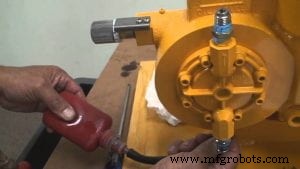
how to bleed hydraulic hand pump ?
Bleeding your hydraulic pump can be a daunting task if you’re not familiar with the process. Here are five easy steps to bleeding your pump:
1. Shut off the power to the machine.
2. Remove the cap on the end of the pipe that leads to the pump.
3. Open the bleed screw on the pump (usually on top).
4. place a bucket underneath the bleed screw and turn it clockwise until all of the fluid has drained from the pipe.
5. Replace the cap on the pipe and turn on power to the machine to resume normal operation.
What Can Happen if the Pump Is Not Bleeded?
A hydraulic pump is a valuable machine and should be treated with respect. If the pump is not bleeded, there are potential consequences.
Hydraulic fluid contains high pressure and low pressure areas, which can cause serious injuries if not handled correctly. There are three main types of injuries that can occur from working with a hydraulic system: impact, burn, and puncture.
Impact injuries occur when the user collides with the pump or its components. Burn injuries result from contact with hot hydraulic fluid. Puncture injuries occur when objects enter the Hydraulic System and are struck by the high-pressure fluid flow.
In order to prevent these types of injuries, it is important to bleed the hydraulic system regularly. When bleeding the system, use a bleeding kit or adapter designed for this purpose. Do not use your hands or any other objects to bleed the system; this could result in injury.
Once the system has been properly bled, take care not to touch any surface that is still wet. This includes parts of the pump itself as well as surrounding surfaces. If any part of the pump comes into contact with your skin, wash it immediately with soap and cold water. If the fluid contacts your eyes, flush them with water for at least 15 minutes. Seek medical attention if you experience any symptoms of injury.
Is it safe to Bleed a Hydraulic Pump?
Bleeding a hydraulic pump can be done safely if the procedure is followed correctly. Follow these steps to bleed a hydraulic pump:
1.Shut down the engine and remove the power source from the pump. This could be the switch, main breaker, or fuse.
2. Open the bleeder valve on the pump and start to release fluid from the system. Pumping fluid will cause a pressure build-up in the system, so use caution when releasing it. Be sure to keep an eye on the gauge to make sure no fluid escapes from the system before stopping the bleeding process.
3. Close the bleeder valve and restart the engine. The pump should now be primed and ready to work again.
Tips and Tricks for Bleeding a Hydraulic Pump
Bleeding a hydraulic pump can be a daunting task, but with the right techniques and tools, it can be done quickly and easily. In this article, we will outline the steps necessary for bleeding a hydraulic pump.
1. Locate the bleeder screw on the hydraulic pump. This screw is typically located on the top of the pump body.
2. Remove the bleeder screw by unscrewing it using a wrench or socket. Be careful not to lose the washer that is located below the screw.
3. Place a container below the bleeder screw in order to catch any fluid that is released from the pump.
4. Open the bleed valve on the pump unit and start releasing fluid slowly into the container by turning the bleed screw until just a small amount of fluid is coming out. Be sure to keep an eye on the level of fluid in the container so that you don’t overfill it and cause damage to the pump unit or seals.
5. Once all of the fluid has been released, close the bleed valve on the pump unit and tighten the bleeder screw back up using your wrench or socket.
6. Replace the washer that was removed in step 2 and reattach the bleeder screw to the pump body.
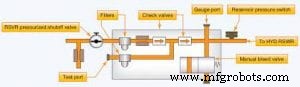
how to bleed a hydraulic pump
Conclusion
Bleeding a hydraulic pump can be a difficult task, but with the right tools and techniques, it can be done successfully. Make sure to have the correct bleeding equipment and know how to use it before attempting to bleed your pump. Follow the steps outlined in this article and you should be good to go!
how to bleed a hydraulic pump, please click topkitparts see more
Industrial equipment
- Understanding Cavitation in Hydraulic Pumps & Proven Prevention Techniques
- How to Increase Hydraulic Pump Pressure Safely and Effectively
- How to Prime a Hydraulic Gear Pump for Optimal Performance
- Choosing the Right Hydraulic Pump: Key Factors & Expert Tips
- How to Effectively Test a Hydraulic Pump for Optimal Performance
- Understanding Hydraulic Gear Pumps: Function, Applications, and Operation
- How to Identify a Faulty Hydraulic Pump: Key Signs and Quick Fixes
- Step-by-Step Guide to Cleaning a Hydraulic Pump for Optimal Performance
- Essential Guide to Maintaining Your Hydraulic Pump: Tips, Troubleshooting & Longevity
- Choosing the Right Hydraulic Pump: Size, Power, and Application Guide