



Preventing Hydraulic Pump Overheating: Causes & Solutions
Overheating is a common problem for hydraulic pumps, and can lead to failure. In this article, we’ll explore the causes of overheating in a hydraulic pump, and provide tips on how to prevent it from happening.
The Basics of Hydraulic Pumps
A hydraulic pump is a mechanical device that uses the pressure of hydraulic fluid to move objects. The hydraulic fluid is a type of liquid that has been pressurized and is used in various industrial and commercial applications. When the hydraulic pump is working properly, the hydraulic fluid circulates between the pump and the reservoir, moving the object or objects that are attached to it.
Overheating is a common issue with hydraulic pumps. When the pump is working at a high speed, the heat generated can cause the hydraulic fluid to become too hot. This can damage the pump or even cause it to fail completely. If you notice your hydraulic pump starting to overheat, you should take steps to reduce the amount of heat being produced and attempt to fix any issues that may be causing the overheating.
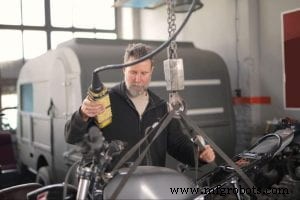
why is my hydraulic pump overheating
What Causes an Overheating Hydraulic Pump?
Pumps can overheat for a number of reasons. The most common is when the pump’s oil or coolant gets too hot, causing it to lose efficiency. Other reasons can include incorrect installation, blockage, and inadequate maintenance. If your hydraulic pump is overheating, there are a few things you can do to try to resolve the issue.
If the pump is installed incorrectly, you can temporarily relocate it to a cooler area. If the pump is blocked, you can unblock it using a plunger or a jet pump.
Finally, if the pump is not being properly maintained, you may need to replace it.
How to Fix an Overheating Hydraulic Pump
If your hydraulic pump is overheating, there are a few things you can do to fix the problem. First, make sure the pump is not overloading by checking the pressure gauge. If the pressure is higher than the manufacturer’s recommended limit, you may need to adjust the speed or torque setting on the pump. You can also try reducing the amount of work being done by the pump by closing off some of the cylinders. Finally, if all else fails, you can replace the pump.
How to diagnose and fix an overheating hydraulic pump
If your hydraulic pump is overheating, there are a few things you can do to diagnose the problem and fix it.
First, check the temperature of the hydraulic fluid. If it’s over 150 degrees F (65 degrees C), the pump is likely overheating and needs to be replaced. Second, inspect the hydraulic system for any damage. If there’s any sign of water intrusion or damage to the system, it may be necessary to replace the entire hydraulic system. Finally, if all else fails, you can try replacing the pump itself.
Preventative Measures for an Overheating Hydraulic Pump
If you notice your hydraulic pump is overheating, there are some simple steps you can take to prevent the problem from recurring. By following these preventive measures, you can keep your pump running at its best and minimize the chances of it coming to a sudden halt.
1. Regularly check the pressure and temperature of your hydraulic fluid. If either of these readings is outside of acceptable ranges, take corrective action immediately. Overheating can cause your fluid to breakdown, leading to catastrophic failure in your pump.
2. Keep your hydraulic system well-maintained. A properly functioning hydraulic system will not overheat. Make sure all hoses, fittings, and valves are in good condition and free from obstructions. Obstruction can cause pressure buildup and lead to an overheating hydraulic system.
3. Use proper lubricants. Hydraulic fluids contain oil and grease which flow freely at high temperatures. Use lubricants that are specifically designed for use with hot fluids, and make sure they are being applied properly. Over time, improper lubrication can lead to an over-heated pump.
4. Monitor your pumping capacity regularly. As your system becomes overworked,it may become necessary to increase the pumping rate in order to keep up. If this occurs, you may experience an over-heated pump. Regularly checking your pumping capacity will help you identify any problems early and take appropriate corrective action.
5. Repair or replace worn parts as needed. If your pump is showing signs of wear, it may be time to replace parts. Over time, worn parts can cause an overheating hydraulic system. By repairing or replacing worn parts as needed, you can keep your pump running at its best and minimize the chances of it coming to a sudden halt.
6. Avoid using your pump in high-temperature environments. Hydraulic pumps are designed to operate at a temperature of 150 degrees Fahrenheit or higher. Do not use your pump in environments where the temperature exceeds this range. This includes areas near heat sources, such as furnaces and ovens.
7. Check your system regularly for leaks. A malfunctioning hydraulic system can be caused by small leaks that are eventually ignored. By checking your system regularly for leaks, you can identify any problems early and take appropriate corrective action.
8. Be prepared to replace your pump if necessary. If you notice any sign of trouble with your pump, be prepared to replace it as soon as possible. Over time, wear and tear on your pump can cause it to fail suddenly, leading to serious consequences.
9. Have a qualified technician inspect your system regularly. A qualified technician can take the necessary steps to properly maintain and operate your pump. If you notice any problems, have a qualified technician inspect your system immediately.
Solutions for an Overheating Pump
When your hydraulic pump is overheating, there are several solutions you can consider.
The most common solution is to stop the pump and let it cool down. This can be done by turning off the power to the pump, stopping the flow of water, or by using a cooling system.
Another solution is to adjust the speed of the pump. This can be done by changing the gear ratios or by using an adjustment valve.
If stopping the flow of water isn’t an option, then you can use a bypass valve to direct water directly onto the heat exchanger. This will help to cool down the pump faster.
Finally, you can replace the overheating pump.
Conclusion
If your hydraulic pump is overheating, there are a few things you can do to address the issue. First, make sure that the reservoir is full and that the pump’s discharge line is clear of obstructions. Next, check for leaks in the system; if there are any, fix them immediately. Finally, turn up the circulating fluid flow by increasing either the input or output pressure settings on the pump.
why is my hydraulic pump overheating, please click topkitparts see more
Industrial equipment
- Hydraulic Pumps Explained: Key Principles & Applications
- Why Is My Hydraulic Hose Leaking? Common Causes & Quick Fixes
- Common Causes of Pressure Loss in Hydraulic Pumps and Quick Fixes
- Preventing Hydraulic Pump Overheating: Causes & Solutions
- Diagnosing & Fixing Noisy Hydraulic Pumps: Common Causes & Solutions
- Rexorth A2P Hydraulic Pump: Power, Efficiency, and Reliability for Advanced Applications
- Discover Why the Kawasaki K3VR Hydraulic Pump Is the Top Choice for Professional Farmers
- Why a Linde PV Hydraulic Pump is the Best Choice for High‑Pressure Applications
- Rexorth A20VO Hydraulic Pump: Reliable Power for Heavy Machinery
- Diagnosing Common Causes of Hydraulic Pump Failure