



What Is a Case Drain in a Hydraulic Pump? Essential Function & Maintenance
A hydraulic pump is a machine that uses the power of hydraulic pressure to move objects or fluids. It’s one of the most common types of machines in use today, used for everything from moving fluids on factory floors to extracting oil from beneath the earth’s surface.
A typical hydraulic pump works by using a series of pistons to compress a fluid (usually oil or water) inside a cylinder. This pressure causes the fluid to move through the pump’s internals, and ultimately out into the surroundings.
One of the main ways hydraulic pumps are damaged is through case drainage. This is when liquid leaks from the pump’s internals and onto the ground or other surfaces nearby. Case drainage can damage the pump’s moving parts and lead to its eventual failure.
What is a Case Drain on a Hydraulic Pump?
A case drain on a hydraulic pump is a small hole that directs hydraulic fluid and debris away from the rotating parts of the pump. This keeps the pump running smoothly and avoids damage to the internal components.
How is a Case Drain on a Hydraulic Pump Used?
A case drain is a component on the output side of a hydraulic pump that helps to reduce the pressure in the system. When the pressure in the system gets too high, the case drain opens and allows the pressure to escape. This helps to keep the system running at a lower pressure and prevents damage to the pump.
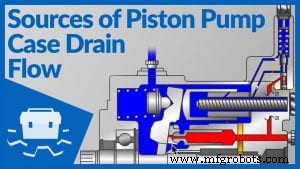
case drain on a hydraulic pump
What are the Different Types of Case DRAINS on Hydraulic Pumps?
A case drain is a component on a hydraulic pump that helps to remove liquid and debris from the case. There are different types of case drains, which can be classified based on how they function.
The inlet and outlet cases drain the pump’s internal volume; the suction and discharge cases drain the pump’s external volume. Inlet and outlet case drains are typically used to remove liquid from the pump’s inner workings. Suction and discharge case drains are used to remove debris or gas from the pump’s exterior.
How Much Pressure is Required to Open a Case Drain on a Hydraulic Pump?
A case drain is a small opening on the side of a hydraulic pump that allows liquid to escape when the pump is not in use. The size of the opening is determined by the pressure required to open it.
What Should You Do if You Find That Your Hydraulic Pump Has A Case Drain?
If you are noticing that your hydraulic pump is losing power or experiencing other signs of trouble, it might be time to check the case drain. Case drains are usually located on the discharge side of a hydraulic pump and can become blocked if debris accumulates over time. This can cause the pump to lose power and eventually fail. In order to check for a case drain, first remove the coverplate on the pump housing and then use a flashlight to inspect the entire interior of the pump. If you see any debris or particles blocking the path of the oil, it might be time to clean out the drain.
A case drain is a small pipe that is used to release fluid from a hydraulic pump
When hydraulic fluid is pressurized, it can cause the pump to overheat.
A case drain helps to release the fluid and prevent the pump from overheating.
The case drain is connected to a fluid outlet on the side of the pump and is opened when the pressure in the hydraulic system is low.
When the pressure in the hydraulic system is high, the case drain is closed so that fluid does not escape and damage the pump.
When it’s time to replace your case drain, be sure to get the right size
A case drain on a hydraulic pump is designed to remove water and debris from the interior of the pump casing. A case drain is typically made out of brass or steel and has a series of ports that allow water and debris to flow out. When it’s time to replace your case drain, be sure to get the right size. For example, if your case drain is made out of brass, you will need to get a brass case drain. If your case drain is made out of steel, you will need to get a steel case drain.
There are also different types of case drains, such as a standard or an overflow drain. A standard case drain is designed to remove water and debris from the interior of the pump casing while an overflow drain is designed to discharge water and debris outside of the pump casing.
Be sure to clean your case drain regularly to prevent clogging and damage
A case drain is a small hole on the side of the hydraulic pump that allows hydraulic fluid to escape when the pump is not in use. The drain should be cleaned regularly to prevent build-up of debris and corrosion that can lead to pump failure.
How to clean a case drain
1. Turn off the power to the pump.
2. Disconnect the hose from the case drain.
3. Clean out the case drain with a wire brush or a vacuum cleaner. Be sure to remove all debris and rust buildup.
4. Reconnect the hose to the case drain and turn on the power to the pump.
5. Check to see if the drain is working properly.
If your case drain does clog, you’ll need to call a technician to unclog it
If your hydraulic pump is draining excessively, it might be time to call a technician. A case drain on a hydraulic pump is a small opening in the casing used to allow fluid to escape. If the opening becomes clogged, fluid will not be able to escape and the pump will start to lose power.
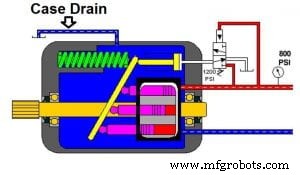
case drain on a hydraulic pump
Conclusion
A case drain on a hydraulic pump is a special type of fitting that is used to remove liquid or gas from a hydraulic system. This fitting is typically used when the system needs to be cleared of any debris or when the pressure inside the system has been lowered so low that it could damage other components.
Regular cleaning of the case drain is important to prevent build-up of debris and corrosion, which can eventually lead to pump failure. Be sure to get the right size case drain for your specific hydraulic pump, and be sure to turn off the power when you’re cleaning it so you don’t damage your system. If you notice that your pump is losing power or experiencing other signs of trouble, it might be time to check the case drain.
what is a case drain on a hydraulic pump, please clickhttps://topkitparts.com/ to learn more
Industrial equipment
- Understanding Cavitation in Hydraulic Pumps & Proven Prevention Techniques
- Understanding Radial Hydraulic Pumps: Design, Applications, and Benefits
- Understanding Two-Stage Hydraulic Pumps: Function and Applications
- Decoding 'N' in Pump Calculations: Its Role and Significance
- Rexorth A10CNO Hydraulic Pump: Design, Performance, and Industrial Applications
- Understanding Hydraulic Pump Cavitation: Causes and Prevention
- HS Code for Hydraulic Pump – Classification & Usage
- Understanding the Cost of Hydraulic Pumps: Key Factors & Price Breakdown
- Understanding Hydraulic Pump Whine: Causes & Solutions
- Understanding Hydraulic Gear Pumps: Definition, Principles, and Industrial Applications